How Long Can Bird Eggs Survive Without Incubation?
Contents
Bird eggs can typically survive without incubation for about 1 to 2 weeks, depending on the species and environmental conditions.
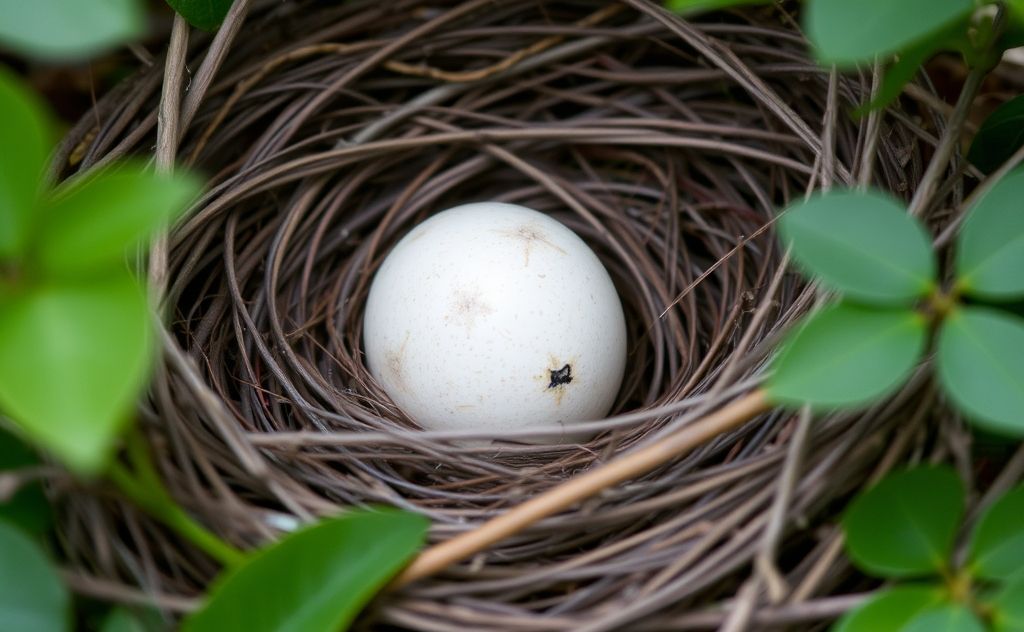
Bird eggs can survive without incubation for 7-10 days depending on species, climate conditions, and developmental stage. This survival window is crucial for wild birds that must leave nests to feed or evade predators. Understanding egg viability helps bird enthusiasts assess abandoned nests properly.

Generic
3 Fertile Duck Eggs for Hatching -…
- HATCH YOUR OWN: These 3 fertile duck eggs are ready to hatch into cute baby ducklings right in your home in around 28 days with pr…
- PREMIUM QUALITY: All eggs come from our healthy and happy backyard flock of ducks, ensuring strong and lively ducklings
- EASY TO CARE FOR: Comprehensive care instructions included for hatching your new feathered friends
Factors Affecting Unincubated Egg Survival
Species-Specific Tolerance
Different bird species have evolved varying egg resilience:
- Chicken eggs: 7-10 days
- Dove eggs: 5-7 days
- Parrot eggs: 3-5 days
- Finch eggs: 2-4 days
Environmental Conditions
Temperature and humidity dramatically impact survival:
| Temperature Range | Survival Time |
|---|---|
| 50-60°F (10-15°C) | 7-10 days |
| 70-80°F (21-27°C) | 3-5 days |
| Above 90°F (32°C) | 1-2 days |
Natural Incubation Patterns
Parental Behavior
Birds like those observed through quality binoculars often leave nests for:
- Feeding breaks (15-30 minutes)
- Predator avoidance
- Mate attraction displays
Clutch Completion Strategy
Many species delay full incubation until all eggs are laid. According to Cornell Lab of Ornithology, this ensures synchronized hatching.
Assessing Abandoned Nests
Observation Guidelines
Use long-range binoculars to monitor nests from a safe distance:
- Watch for 1-2 hours
- Check at different times of day
- Note any adult activity
Egg Development Signs
Viable eggs show:
- Intact shells
- No foul odor
- Proper coloration
Emergency Care for Found Eggs
Temporary Measures
If intervention is absolutely necessary:
- Maintain 99.5°F (37.5°C) temperature
- Keep humidity at 50-60%
- Rotate eggs 3-5 times daily
Legal Considerations
The U.S. Fish and Wildlife Service requires permits for native bird egg handling. Always consult wildlife rehabilitators first.
Species-Specific Examples
Backyard Birds
Common species and their egg resilience:
- Robins: 5-7 days
- Cardinals: 4-6 days
- Blue Jays: 3-5 days
Raptors and Large Birds
Eagles and hawks maintain tighter incubation schedules, with eggs rarely surviving more than 2-3 days unattended.
Related pick: Check today's price on Amazon