13 Proven Ways to Keep Birds Off Your Porch (And Stop Nesting)
Contents
You sweep the porch on Saturday morning. By Tuesday, there’s a fresh mess under the eave, and a pair of sparrows is eyeing the corner beam like they own it. If you’ve dealt with this, you know it’s not just about the droppings. Nests bring mites, noise, and structural damage from constant pecking and scratching.
This article ranks the 13 most effective ways to keep birds off your porch, from physical barriers to habitat changes. You’ll learn which methods work for specific species, what each option costs in time and money, and the legal rules around nest removal. By the end, you’ll have a clear plan to reclaim your porch without harming the birds.
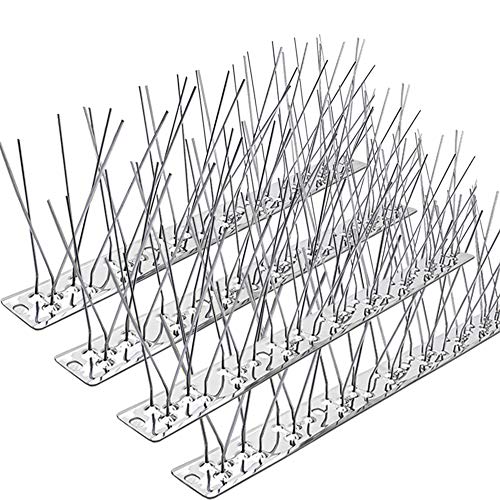
PANGCH
PANGCH Bird Spikes,Stainless Steel Bird Spikes Metal…
- EASY TO ASSEMBLE AND INSTALL - This set of PANGCH pigeon spikes come disassembled. There are 3 holes (0.315”x0.216”) per strip for…
- WEATHER-PROOF STAINLESS CONSTRUCTION - PANGCH Bird spikes are made of premium 304 grade stainless steel which will not rust or wea…
- EASY TO MAKE A BETTER FIT - You can bend these stainless steel bird spikes to fit inside and outside corners or cut them to fit in…
One product worth considering early is the PANGCH stainless steel bird spike set. It covers about 4 feet per pack, uses 304-grade steel that won’t rust, and installs with screws, zip ties, or adhesive. It’s a solid starting point for ledges and beams, though you may need multiple packs for larger areas.
Why Birds See Your Porch as Prime Real Estate
Birds look for three things when choosing a nest site: shelter from weather, protection from predators, and a flat surface that won’t collapse. Your porch offers all three. The ceiling blocks rain, the beams block wind, and the height keeps cats and raccoons away.
Species like house sparrows, swallows, and pigeons are especially bold. They’ll return to the same spot year after year if you let them. A nest left in place from last season acts as a beacon for the next generation.
The key is to make the space feel unsafe and unstable. Birds are pragmatic. If the ledge wobbles, the light flashes, or the surface slopes, they’ll move to a neighbor’s house.
The 13 Proven Deterrents (Ranked by Effectiveness)
Not all deterrents work equally. Some are cheap but temporary. Others cost more but solve the problem permanently. Here’s the breakdown, starting with the most reliable.
Physical Barriers (Netting, Spikes, Wire Mesh)
- Bird spikes – Stainless steel spikes create an uneven surface that birds can’t grip. They work on ledges, beams, and roof lines. The PANGCH set mentioned earlier is a good example: bendable, cuttable, and weatherproof. Expect to pay $15–$30 per 5-strip pack depending on the brand.
- Bird netting – Polyethylene netting blocks off entire sections like the gap under a porch roof. It’s the most effective method for large areas but requires anchoring every 2–3 feet. A 10×10 foot section costs around $25–$50.
- Wire mesh or hardware cloth – Staple 1/2-inch mesh over vents, soffits, and other entry points. It’s cheap (about $10 per roll) and nearly invisible from the ground. Takes a drill and 30 minutes to install.
- Sloped sheathing – Attach a 45-degree plastic or metal panel to flat surfaces. Birds can’t perch on a slope. This is a permanent fix that costs $15–$40 per section.
Visual Scare Tactics (Reflective Objects, Decoys)
- Reflective tape or spinners – Hang strips of holographic tape that catch sunlight. The flashing disorients birds. Works well for a few weeks, but birds adapt quickly. Replace or move the tape every 7–10 days.
- Predator decoys – Plastic owls, hawks, or snakes can scare birds initially. The problem: birds figure out the decoy isn’t moving. Move it every few days, or pair it with a motion-activated component. A good decoy costs $15–$30.
- Wind chimes – The movement and noise deter some species, especially if the chimes are metallic and loud. Not reliable for determined birds, but a nice addition to a multi-method approach.
Sensory Deterrents (Gels, Sprays, Ultrasonic)
- Bird gel – A sticky, transparent gel that creates an uncomfortable surface. Birds feel the tackiness and avoid it. Works on narrow ledges. One tube covers about 10 feet and costs $15–$25. Reapply every few months.
- Peppermint oil or citrus sprays – Some birds dislike strong scents. Mix 10 drops of peppermint oil with water and spray weekly. This is the cheapest option (under $10) but the least reliable. Rain washes it away.
- Ultrasonic devices – These emit high-frequency sounds humans can’t hear. Real-world results are mixed. They work better indoors than on open porches where sound disperses. If you try one, get a model with a motion sensor so it only activates when birds land.
Habitat Modification (Trimming, Cleaning, Feeder Placement)
- Trim trees and shrubs – Branches within 6–8 feet of your porch give birds a launching pad. Cut them back to eliminate easy access.
- Remove existing nests – Birds reuse nests. Once the nesting season ends (usually late summer), remove old nests and scrub the area. This signals the spot is not safe.
- Relocate bird feeders – A feeder 10 feet from your porch is an invitation. Move feeders at least 20 feet away, or remove them entirely during nesting season (March through August in most regions).
How to Identify the Bird Species on Your Porch
Different birds require different strategies. Here’s a quick field guide.
House sparrows – Small, brown, and noisy. They build messy nests of grass and trash in corners and under eaves. They’re aggressive and will fight other birds for a spot. Spikes and netting work well.
Swallows – Sleek, blue-black birds that build mud cups on vertical walls. They’re protected by law in many areas. You can’t remove an active nest with eggs. Install netting before they arrive in spring.
Pigeons – Large, gray, and persistent. They prefer flat ledges and will return repeatedly. Spikes are the go-to solution. Pigeons also carry more diseases, so clean up droppings with care.
Woodpeckers – They peck at wood siding and beams, causing real damage. They’re usually after insects or marking territory. Reflective tape and plastic owls help, but you may need to repair the wood and seal it.
Take a photo and compare it to a local bird guide if you’re unsure. The species determines whether you can legally remove the nest and which deterrent will be most effective.
The Cost Breakdown: DIY vs. Professional Solutions
DIY methods save money but cost time. Professional installation costs more but comes with a warranty and guaranteed results.
| Method | DIY Cost | Professional Cost | Effort Level | Lifespan |
|---|---|---|---|---|
| Bird spikes | $15–$30 per 5 strips | $150–$300 per 20 feet | Low (screw or glue) | 5–10 years |
| Bird netting | $25–$50 per 10×10 ft | $200–$500 installed | Medium (anchoring) | 3–5 years |
| Reflective tape | $5–$10 per roll | N/A | Very low | Weeks (replace often) |
| Predator decoy | $15–$30 each | N/A | Low (move often) | 1–2 years |
| Bird gel | $15–$25 per tube | $100–$200 per application | Low | 3–6 months |
| Ultrasonic device | $30–$80 | $150–$300 | Medium | 2–3 years |
| Motion-activated sprinkler | $40–$70 | N/A | Medium (hose hookup) | 3–5 years |
My honest take: if you’re handy with a drill, spikes and netting are the best DIY investments. They’re permanent and don’t require ongoing maintenance. If you have a two-story porch or a complex roofline, hiring a pro is worth the money to avoid ladder accidents.
A Seasonal Maintenance Calendar for a Bird-Free Porch
Birds follow a predictable cycle. Use this calendar to stay ahead of them.
Late winter (February–March) – Inspect your porch for old nests and droppings. Clean everything thoroughly. Install spikes, netting, or gel before birds start scouting.
Spring (April–May) – This is peak nesting season. Check your deterrents weekly. Move decoys every few days. Reapply peppermint oil spray after rain.
Summer (June–August) – Most birds have fledged by mid-July. Remove any new nests after confirming they’re empty. Trim back any branches that have grown closer.
Fall (September–October) – Clean gutters and ledges. Birds start looking for winter shelter. Seal any gaps or holes you find.
Winter (November–January) – Deterrents can stay up year-round. If you use netting, check for damage from snow and ice. Replace broken spikes.
Safe Cleanup and Disinfection After Nest Removal
Bird droppings and old nests carry bacteria, fungi, and parasites. Histoplasmosis, a lung infection, comes from dried droppings. You don’t want to breathe that dust.
Wear rubber gloves, an N95 mask, and long sleeves. Spray the area with a disinfectant solution (1 part bleach to 9 parts water) and let it sit for 10 minutes. Use a scraper to remove the nest and droppings, then bag everything in a sealed plastic bag.
Dispose of the bag in an outdoor trash can. Wash your hands and clothes immediately. If you have a large infestation, consider hiring a professional cleanup service.
The Legal Side: What You Can and Cannot Remove
The Migratory Bird Treaty Act protects most native bird species. It’s illegal to remove an active nest (one with eggs or chicks) without a federal permit. Violations can result in fines up to $15,000.
House sparrows, European starlings, and pigeons are not protected. You can remove their nests anytime. Swallows, robins, and most songbirds are protected. You must wait until the nest is empty.
State laws vary. Some states have additional protections for certain species. Check with your state’s fish and wildlife agency before taking action. The safest approach: do all nest removal in the fall or winter when nests are inactive.
Troubleshooting: Why Your Deterrent Isn’t Working
You installed spikes, but birds are still landing. Here’s what might be wrong.
Spikes are too short or too narrow. Pigeons can squeeze between spikes if they’re spaced more than 1 inch apart. Ensure the spikes are at least 4 inches tall and cover the entire surface.
Decoys aren’t moving. A static owl becomes furniture. Mount it on a pole that swings in the wind, or use a motion-activated model.
Netting has gaps. Birds find a 1-inch gap in seconds. Check all edges and anchor points. The net should be taut, not sagging.
Birds are nesting inside a wall cavity. You need to seal the entry point first. Install hardware cloth over the hole, then patch it. Deterrents outside won’t help if birds are already inside.
Ultrasonic device is too weak. Cheap models have a range of only 10 feet. You may need multiple units or a more powerful one.
If one method fails, don’t stack more of the same. Switch categories. Combine a physical barrier with a visual scare. That combination is harder for birds to adapt to.
FAQs About Keeping Birds Off Your Porch
Will a fake owl really scare birds away?
For about two weeks, yes. Then the birds realize the owl never moves, and they ignore it. To keep the illusion alive, move the decoy every 2–3 days and reposition it at different angles. Some people mount it on a rotating platform or combine it with reflective tape for better results.
Is it safe to use mothballs or poison?
Mothballs are not a registered bird repellent. The fumes are toxic to birds, pets, and children. Poison is worse — it kills birds slowly and can harm owls, hawks, and other predators that eat the poisoned birds. Skip both. Use humane deterrents like spikes, netting, or gel.
How often should I reapply bird gel or spray?
Bird gel lasts 3–6 months depending on weather. Rain and sun degrade it faster. Peppermint oil spray needs reapplication every 3–5 days, and after every rainstorm. Set a phone reminder, or you’ll forget.
Can I remove a nest after the birds have left?
Yes, but only after you’re sure it’s empty. Watch the nest for a few days to confirm no birds are returning. Once removed, clean the area thoroughly and install a deterrent. If you don’t block the spot, they’ll rebuild within days.
Will bird spikes hurt the birds?
No. The blunt tips are uncomfortable to stand on, not sharp enough to pierce skin. Birds quickly learn to avoid the area. The spikes are a humane deterrent, not a trap.
The Bottom Line: Reclaiming Your Porch Peacefully
- Start with physical barriers: spikes for ledges, netting for open areas, wire mesh for entry points.
- Identify the bird species first. Protected birds require different timing and methods.
- Combine two different deterrent types (e.g., spikes plus reflective tape) for the best results.
- Move visual decoys every few days. Static decoys lose their effect quickly.
- Clean and disinfect thoroughly after removing any nest. Wear a mask and gloves.
- Follow the seasonal calendar: install in late winter, check weekly in spring, remove nests in late summer.
- Check local laws before removing any active nest. Fines are steep and avoidable.
You don’t need to live with bird droppings and chirping at dawn. Pick one or two methods from this list, install them correctly, and give it a few weeks. The birds will find somewhere else to call home.