Birds With Long Thin Beaks: Types & Adaptations
Contents
You spot a bird at the marsh edge, and its beak looks like a pair of tweezers stuck on its face. It plunges that thin bill into the mud, pulls out a worm, and moves on. You wonder how that fragile-looking tool doesn’t snap. And why some birds need a beak longer than their entire body.
This article covers the real mechanics behind birds with long thin beaks — the physics, the species, the trade-offs, and the conservation issues. You’ll learn how to identify them in the field and why beak shape matters more than feather color for survival.
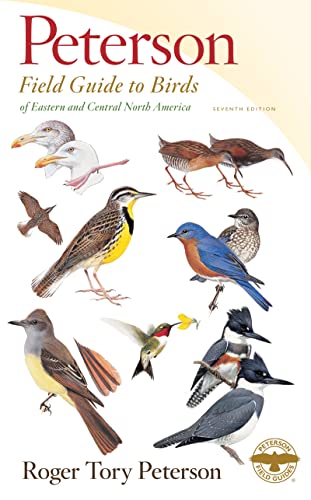
If you’re heading out to spot these birds yourself, a good field guide makes a huge difference. The Peterson Field Guide To Birds Of Eastern & Central North America includes updated range maps and detailed illustrations that help you match a distant silhouette to a species name. It’s the kind of book you keep in the car for unexpected sightings.
The Purpose of a Long Thin Beak: More Than Just Reaching
A long thin beak isn’t just about reaching deep into flowers or mud. It’s a precision tool built for specific prey and specific habitats. The shape tells you what the bird eats, how it hunts, and where it lives.
Think about a hummingbird. Its needle-like beak fits perfectly into tubular flowers that other birds can’t access. The bird gets nectar that’s off-limits to competitors. The flower gets pollinated by a creature that actually visits multiple blooms. That’s a mutualism that works because the beak is long and thin.
Shorebirds like curlews use their long beaks differently. They probe sand and mud for invertebrates buried deep below the surface. A short beak would only scratch the top layer. The long beak opens up a whole food source that’s invisible from above.
Woodland birds like brown creepers use their thin, curved beaks to pick insects out of bark crevices. They work their way up tree trunks, using the beak like a pair of forceps to extract eggs and larvae that hide in the cracks.
So the beak isn’t just a mouth. It’s a specialized appendage that defines the bird’s entire feeding strategy. When you see a bird with a long thin beak, you’re looking at millions of years of evolution tuned to a particular food source.
The Biomechanics of a Needle: How Long Beaks Work
It’s easy to assume a long beak is just a short beak stretched out. But the physics change when you make a structure long and thin. The beak has to be strong enough to withstand force, yet light enough for the bird to carry. That’s a fine line.
The beak material itself matters. Bird beaks are made of keratin — the same protein as your fingernails. Keratin is tough but flexible. A long thin keratin structure can bend slightly under pressure without breaking. That flexibility is a feature, not a flaw. It lets the bird probe into tight spaces and feel what’s at the tip.
Capillary Action and Surface Tension
Some long-beaked birds don’t just grab food — they drink it. Hummingbirds and sunbirds use capillary action to draw nectar up their tongues. The tongue is forked and grooved, and the beak acts as a straw-like channel.
Here’s the interesting part: the beak’s shape helps the nectar flow. When the bird inserts its beak into a flower, the narrow tube creates a capillary effect. The nectar wicks up the tongue’s grooves due to surface tension. The bird doesn’t suck — it lets physics do the work.
This works only because the beak is thin. A wide beak would break the capillary action. So the long thin shape isn’t just for reaching — it’s for fluid dynamics.
Tactile Foraging (Sensory Depths)
Shorebirds like sandpipers and godwits don’t see their prey. They feel it. Their beaks are packed with sensory receptors called Herbst corpuscles. These tiny structures detect pressure changes in the mud, letting the bird find a worm or clam without ever seeing it.
This is called tactile foraging. The bird probes the substrate, and the beak’s tip sends signals back to the brain. The longer the beak, the deeper the bird can search. That’s why different shorebird species have different beak lengths — they divide up the mudflat by depth rather than competing for the same worms.
The beak’s tip is often slightly wider or spoon-shaped to increase the surface area for sensory receptors. It’s not just a pointed stick. It’s a highly sensitive organ.
Top Species Profiles: Masters of the Long Beak
Some species take the long thin beak to extremes. Each one has a unique approach to feeding, and each one shows how the beak adapts to a specific niche.
The Extreme: Sword-billed Hummingbird
The sword-billed hummingbird has a beak longer than its body. It’s the only bird in the world with this distinction. The beak can reach 4 inches (10 cm) while the bird’s body is about 5 inches (13 cm) long.
This extreme length lets it feed on flowers with long corollas that other hummingbirds can’t access. It’s a specialist in the truest sense. But the trade-off is real: the bird can’t preen normally. It has to use its feet to scratch its head, which is unusual for a hummingbird.
When it perches, the sword-billed hummingbird often holds its beak pointing upward. That’s not a pose — it helps balance the weight of the beak. It’s a bird that’s literally built around its feeding tool.
The Shorebird Specialists (Curlews and Ibises)
Curlews have long, down-curved beaks that can reach 7 inches (18 cm). They use them to probe deep into mudflats and grasslands for worms, larvae, and crustaceans. The curve isn’t random — it follows the shape of the burrows that their prey dig.
Ibises have straighter, longer beaks that they use to probe in shallow water and soft mud. The white ibis sweeps its beak side to side, feeling for crabs and insects. The glossy ibis does the same but prefers freshwater habitats.
These shorebirds are often seen in mixed flocks, each species using a different part of the mudflat. The longer-beaked species probe deeper, while shorter-beaked ones stick to the surface. It’s a perfect example of niche partitioning.
The Woodland Probers (Wrens and Creepers)
Brown creepers have thin, curved beaks that they use to pry insects from bark. They work from the bottom of a tree trunk upward, spiraling around the trunk as they go. The beak’s curve helps them reach into the deep crevices where insects hide.
Wrens have shorter but still slender beaks. They use them to pick insects from leaves and twigs, often in dense undergrowth. The beak is thin enough to probe into curled leaves and tight spaces.
These woodland birds show that you don’t need an extremely long beak to benefit from a thin one. The shape matters as much as the length.
The Evolutionary Trade-Offs: Why Not All Birds Have Them
If long thin beaks are so useful, why doesn’t every bird have one? Because they come with real costs.
First, fragility. A long thin beak is more likely to break than a short thick one. A broken beak can be fatal — the bird can’t feed properly. That’s a huge risk for a bird that depends on precise probing.
Second, energy cost. Growing and maintaining a long beak takes resources. The bird has to invest in keratin production, and the beak’s weight affects flight efficiency. A hummingbird with a 4-inch beak has to carry that weight on every flight.
Third, preening difficulty. As mentioned with the sword-billed hummingbird, a long beak makes it hard to reach feathers. Birds need to preen to maintain their feathers’ waterproofing and insulation. A beak that’s too long becomes a liability.
Fourth, thermoregulation. Beaks are used to dissipate heat. Birds have blood vessels in their beaks, and they can regulate blood flow to release excess heat. A long thin beak has more surface area for heat loss, which is great in hot climates but problematic in cold ones. That’s why many long-beaked species live in tropical or temperate regions rather than the Arctic.
These trade-offs explain why long beaks evolve only when the benefits outweigh the costs. In each case, the bird’s specific food source makes the long beak worth the risk.
Beak Length vs. Body Size: A Comparative Table
Here’s a quick comparison of some notable long-beaked species, their beak lengths, and their habitats. Use this as a reference when you’re in the field.
| Species | Beak Length | Body Length | Primary Habitat | Main Food |
|---|---|---|---|---|
| Sword-billed Hummingbird | 4 in (10 cm) | 5 in (13 cm) | Andean cloud forests | Nectar from long corolla flowers |
| Long-billed Curlew | 7 in (18 cm) | 23 in (58 cm) | Grasslands, mudflats | Worms, larvae, crustaceans |
| White Ibis | 5 in (13 cm) | 25 in (64 cm) | Wetlands, swamps | Crabs, insects, small fish |
| Brown Creeper | 0.6 in (1.5 cm) | 5 in (13 cm) | Forests, woodlands | Insects from bark crevices |
| Eurasian Curlew | 6 in (15 cm) | 22 in (56 cm) | Mudflats, estuaries | Worms, mollusks |
| Rufous Hummingbird | 0.8 in (2 cm) | 3.5 in (9 cm) | Gardens, open woodlands | Nectar, small insects |
Notice the pattern: the beak-to-body ratio is highest in hummingbirds, which need extreme precision for nectar feeding. Shorebirds have longer absolute beaks but smaller ratios relative to their large bodies. The trade-off between reach and fragility is visible across all of them.
How to Identify Birds by Beak Shape in the Wild
You can narrow down a bird’s identity just by looking at its beak. Here’s a practical approach for field identification.
First, note the beak’s length relative to the head. If the beak is longer than the head, it’s likely a specialist — a hummingbird, a curlew, or an ibis. If it’s about the same length as the head, it’s probably a generalist insectivore like a wren or a vireo.
Second, check the curve. A down-curved beak suggests a shorebird that probes mud. An up-curved beak (like an avocet’s) suggests a bird that sweeps its beak through shallow water. A straight beak is more versatile and common among insectivores.
Third, look at the thickness. A thin, needle-like beak means the bird eats small, soft-bodied prey or nectar. A thicker but still long beak means the bird might crack seeds or catch larger insects.
Fourth, watch the feeding behavior. A bird that hovers at flowers has a hummingbird-like beak. A bird that walks along the water’s edge and probes the mud is a shorebird. A bird that climbs tree trunks and probes bark is a creeper or nuthatch.
These four clues — length, curve, thickness, and behavior — will get you to the right family in seconds. Then you can use a field guide to confirm the exact species.
For a deeper dive into the science of beak adaptations, this guide to bird beaks and adaptations covers the basics well.
Conservation: Protecting the Habitat, Protecting the Beak
Long-beaked birds face specific threats because their survival depends on particular food sources and habitats. When those disappear, the birds disappear too.
Shorebirds with long beaks rely on healthy mudflats and estuaries. These areas are threatened by coastal development, pollution, and sea-level rise. When a mudflat is degraded, the invertebrate population drops, and the birds can’t find enough food. The long beak becomes useless if there’s nothing to probe for.
Hummingbirds depend on specific flowering plants. When forests are cleared or fragmented, the flowers disappear. The sword-billed hummingbird, for example, is limited to high-altitude cloud forests in the Andes. These forests are being cut for agriculture and cattle ranching.
Woodland probers like brown creepers need mature forests with rough bark. Young, managed forests often have smooth-barked trees that don’t support the same insect populations. So the birds are less common in areas where old-growth forest has been replaced.
Climate change also plays a role. Warmer temperatures can shift the timing of insect emergence and flower blooming. If the birds’ migration or breeding schedule doesn’t match the food supply, they starve.
What can you do? Support wetland conservation organizations, plant native flowers that attract hummingbirds, and advocate for protecting mature forests. Every bit of habitat preserved helps these specialized birds survive.
For more on how birds adapt to their environments, check out this species guide on long-beaked birds.
Frequently Asked Questions
Why do some birds have long thin beaks?
Long thin beaks evolve when a bird’s food source is deep inside something — a flower, mud, or bark crevice. The beak lets the bird reach food that competitors can’t access. The shape is a direct adaptation to the bird’s primary diet.
What is the bird with the longest beak relative to its body?
The sword-billed hummingbird has the longest beak relative to body size. Its beak is nearly as long as its body, which is unique among birds. This extreme adaptation lets it feed on flowers with very long corollas.
How do birds with long beaks clean themselves?
Birds with extremely long beaks often struggle to preen. The sword-billed hummingbird uses its feet to scratch its head because its beak can’t reach. Most other long-beaked birds manage by bending their necks or using their feet for hard-to-reach spots.
Are long beaks more fragile than short beaks?
Yes, generally. A long thin beak has less structural strength than a short thick one. It can bend or break under stress. However, keratin is flexible, and many long-beaked birds use a gentle probing motion rather than force, which reduces breakage risk.
Can a bird survive with a broken beak?
Usually not for long. A broken beak makes it hard or impossible to feed. Some birds can adapt if the break is minor, but most will starve. This is why beak health is critical for survival, and why long-beaked species are vulnerable to injury.
What You Should Remember About Long-Beaked Birds
- Long thin beaks are precision tools for accessing specific food sources — nectar, deep-buried invertebrates, or hidden insects.
- The biomechanics involve capillary action for nectar feeding and tactile sensory receptors for probing mud.
- Key species include the sword-billed hummingbird, long-billed curlew, white ibis, and brown creeper.
- Long beaks come with trade-offs: fragility, energy cost, preening difficulty, and thermoregulation challenges.
- Use beak length, curve, thickness, and feeding behavior to identify birds in the field.
- Conservation of wetlands, cloud forests, and mature woodlands is essential for these specialists.
- A good field guide, like the Peterson guide, helps you confirm your field observations and learn the local species.
Next time you see a bird with a long thin beak, you’ll know it’s not just a quirky feature. It’s a survival tool shaped by millions of years of evolution. And now you know exactly how it works.