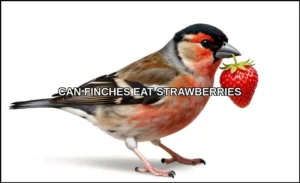
Can Finches Eat Blueberries? The Complete Guide
Contents
You drop a few fresh blueberries into the feeder tray, step back, and wait. The goldfinches land, glance at the dark orbs, and hop away. Then a house finch pecks one, shakes its head, and flies off. Sound familiar?
Blueberries are a common backyard offering, but finches have specific feeding habits that make this fruit a mixed bag. Some individuals will devour them; others will never touch them. This guide covers what the science says, how to prepare blueberries so finches actually eat them, and when it’s better to skip the fruit altogether.

Pennington
Pennington Pride Wild Finch Blend Wild Bird…
- INGREDIENTS BIRDS LOVE: This premium-quality wild bird feed mix is made with favorites including thistle and black oil sunflower s…
- ATTRACTS A VARIETY OF BIRDS: Watch your backyard come alive with musical, colorful birds including finches, pine siskins and cardi…
- BIRD-KOTE TECHNOLOGY: This Pennington thistle bird seed blend is enriched with vitamins and nutrients for an advanced nutritious f…
You’ll walk away knowing the exact serving size, the right ripeness stage, and how to mix blueberries with seeds so your feeder doesn’t turn into a moldy mess.
If you’re building a finch-friendly feeding station, a quality seed blend makes the difference between a busy feeder and an empty one. The Pennington Pride Wild Finch Blend combines thistle and black oil sunflower seeds, which covers the base diet for most finch species while you experiment with fruit on the side.

What Finches Actually Need From Fruit
Finches are primarily granivores. Seeds make up roughly 80-90% of their wild diet, depending on the season. The remaining 10-20% comes from insects, buds, and fruit. That fruit percentage matters more during breeding season and migration than in winter.
Blueberries offer three things finches can use: natural sugars for quick energy, water for hydration, and anthocyanins (the compounds that make them blue). The sugar content of a ripe blueberry runs about 10-15 grams per 100 grams of fruit. That’s moderate compared to grapes or cherries, but still enough to give a small bird a fast calorie boost.
The catch is texture. Finches have small, pointed beaks built for hulling seeds, not piercing thick berry skins. A whole blueberry is roughly 5-16 millimeters in diameter. A house finch’s beak can manage that, but barely. Many birds will peck at the skin, get a little juice, and give up.
That’s why preparation matters more than the fruit itself. You’re not just offering food; you’re adapting it to the bird’s anatomy.
How To Serve Blueberries So Finches Will Eat Them
Whole berries work for larger finches like cardinals or evening grosbeaks, but most true finches need help. Here’s what works, ranked by effectiveness:
- Mashed or smashed – Press the berry flat with a fork. This breaks the skin and exposes the flesh. Goldfinches and house finches will lick and peck at the exposed pulp.
- Chopped into quarters – For birds that like to grab and fly, small pieces are easier to carry. Cut each berry into four pieces and scatter them on a platform feeder.
- Juice on seeds – Lightly crush a few berries and stir them into a small bowl of finch seed. The juice coats the seeds, adding flavor and moisture. This works surprisingly well for picky eaters.
- Whole berries – Only for larger species or as a last resort. If you have pine siskins or purple finches, they might manage whole berries, but expect a lot of waste.
Placement matters too. Finches prefer feeding at height, away from ground cover where predators hide. A tube feeder or hopper feeder at least 5 feet off the ground works better than a ground tray. If you’re using a platform feeder, put it near shrubs or a trellis so birds have a quick escape route.
One thing I’ve learned the hard way: never mix fresh fruit directly into a seed hopper. The moisture seeps into the seed, causes clumping, and within two days you’ll have a sticky mess that attracts ants and molds. Keep fruit in a separate small dish or tray beside the seed feeder.
How Much Blueberry Is Safe? Portions and Frequency
Blueberries are safe for finches, but they should be a treat, not a staple. A good rule of thumb: offer no more than one or two mashed berries per bird, two to three times per week. For a small flock of six finches, that’s about a quarter cup of mashed berries total.
Why the limit? Sugar. While natural fruit sugar isn’t harmful in small amounts, finches that fill up on fruit may skip their seed intake. Seeds provide essential fats and proteins that fruit lacks. A finch that eats mostly berries for a few days could develop a nutritional gap, especially during molting when protein demands spike.
Another concern is spoilage. Blueberries left out in warm weather ferment quickly. Fermented fruit produces ethanol, which can intoxicate small birds. You won’t see a drunk finch doing tricks; you’ll see a lethargic bird that can’t fly straight. That’s a serious risk. Remove uneaten berries after 3-4 hours in summer, or by the end of the day in cooler months.
Ripeness matters. Overripe berries (soft, wrinkled, or leaking) have higher sugar content and ferment faster. Underripe berries are tart and often ignored. The sweet spot is a berry that’s deep blue-purple, firm but slightly giving to pressure, with a dull bloom on the skin.
Blueberries vs. Other Fruits for Finches
Not all fruit is equal in a finch’s eyes. Some species have clear preferences based on texture, sugar content, and how easily they can eat it. Here’s how blueberries stack up against common alternatives:
| Fruit | Sugar Content (per 100g) | Finch Preference | Prep Difficulty | Best For |
|---|---|---|---|---|
| Blueberries | 10-15g | Moderate | Medium (need mashing) | House finches, goldfinches |
| Bananas | 12-17g | High | Low (slice thin) | All finch species |
| Strawberries | 4-7g | Medium | Low (slice or mash) | Zebra finches, society finches |
| Watermelon | 6-9g | Medium-High | Low (small cubes) | Summer feeding, hydration |
| Apples | 10-13g | Low-Medium | Medium (peel and dice) | Larger finches |
Bananas are the clear winner for finches. They’re soft, easy to peck, and almost universally accepted. Blueberries require more prep work but offer a different nutrient profile, including more vitamin C and manganese. If you’re deciding what to offer, start with banana for reliability, then introduce mashed blueberry as a variety boost.
You can also check our guide on finches and bananas for specific portion advice, or read about strawberry safety if you’re rotating fruits.
Which Finch Species Will Actually Eat Blueberries?
This varies more than you’d expect. Based on observations from feeder watchers and avian nutrition studies, here’s the breakdown:
- House finches – Most likely to try new foods. They’re opportunistic and will peck at mashed berries within a day or two.
- American goldfinches – Pickier. They prefer small seeds like nyjer. Mashed berries get ignored unless the birds are desperate or the berries are mixed with seed.
- Purple finches – Moderate interest. Their slightly larger beaks handle whole berries better, but they still prefer seeds.
- Pine siskins – Rarely interested. They’re almost exclusively seed-eaters in most regions.
- Zebra finches (pet birds) – Very interested. Pet finches in cages will eat mashed blueberry readily, especially if introduced young.
If you keep pet finches, the approach differs from backyard feeding. Cage birds get a controlled diet, so you can offer a small teaspoon of mashed blueberry twice a week as a treat. Remove any uneaten portion after two hours to prevent bacterial growth. Pet finches also benefit from the extra hydration, especially if they’re picky drinkers.
For wild birds, don’t be discouraged if the blueberries sit untouched for a week. Finches are neophobic — they fear new things. It can take several exposures before they recognize fruit as food. Persistence pays off, but so does observation. If two weeks pass with zero interest, swap to a different fruit.
Common Mistakes When Feeding Blueberries to Finches
Most problems come down to three errors. Avoid them and your blueberry offering will be safe and effective.
Mistake 1: Leaving whole berries out. Whole berries roll off feeders, attract starlings and grackles, and get ignored by finches. You’re feeding the wrong birds and wasting fruit. Mash or chop every time.
Mistake 2: Overfeeding. A pile of berries looks generous, but finches only eat a fraction. Excess fruit rots, breeds fruit flies, and can spread mold spores to other feeder areas. Start with a small amount and scale up only if it disappears quickly.
Mistake 3: Mixing fruit with seed in the same feeder. As mentioned, this ruins the seed. Use a separate tray or a small dish clipped to the feeder. Some feeders have removable trays — you can clean and refill them separately. If you need help with tray maintenance, this guide on replacing feeder trays covers the basics.
Frequently Asked Questions
Can baby finches eat blueberries?
No. Baby finches need a high-protein diet of insects and soft seed formulas. Fruit offers little protein and can cause digestive upset. Wait until fledglings are eating seeds on their own, usually 3-4 weeks after hatching, before offering mashed fruit.
Are frozen blueberries okay for finches?
Yes, but thaw them completely first. Frozen berries are rock-hard and cold, which can shock a small bird’s system. Thaw in the fridge, then mash. Frozen berries are often softer after thawing, which actually makes them easier for finches to eat.
Can finches eat blueberry skins?
They can, but they often don’t. The skin is tough and contains most of the fiber. When you mash the berry, the skin breaks into small pieces that finches will swallow accidentally. That’s fine. Don’t bother peeling them.
Do blueberries stain finch feathers?
Not permanently. The juice can leave a temporary purple tint on a bird’s beak or chest feathers, but it washes off during preening. If you notice a finch with a stained face, it just means it ate well. No action needed.
How do I know if my finches like blueberries?
Watch for three signs: the berries disappear within a few hours, you see birds pecking at the mashed pulp, and the feeder area shows small purple smears. If the berries dry out and shrivel without being touched, your birds don’t want them. Try again in a month or switch fruits.
What To Remember Before You Offer Blueberries
- Mash or chop blueberries — whole berries are mostly wasted on finches.
- Offer fruit in a separate dish, never mixed into seed hoppers.
- Limit portions to 1-2 mashed berries per bird, 2-3 times weekly.
- Remove uneaten berries after 3-4 hours in warm weather to prevent fermentation.
- Start with bananas for reliability, then introduce blueberries as variety.
- Expect a 1-2 week adjustment period while finches learn to accept new food.
- Use a quality seed blend as the dietary base, and treat fruit as a supplement, not a replacement.