Finches vs Buntings: Key Differences Birders Should Know
Contents
You spot a small bird at the feeder. It has a thick beak and flashes of color. Your first guess is finch. But wait — that blue head and chestnut wing bar look different. What you’re actually watching might be an Indigo Bunting, not a finch at all.
Mixing up finches and buntings happens to beginners and experienced birders alike. Both groups are small, active, and often show up in similar habitats. But they belong to completely different families. Finches are in the Fringillidae family. Buntings, in North America, are in the Cardinalidae family. That distinction matters for understanding their behavior, migration, and song.
This guide breaks down the physical traits, feeding habits, and seasonal patterns that separate these two groups. You’ll learn what to look for through binoculars, what to listen for, and how to confidently tell them apart on any given day.
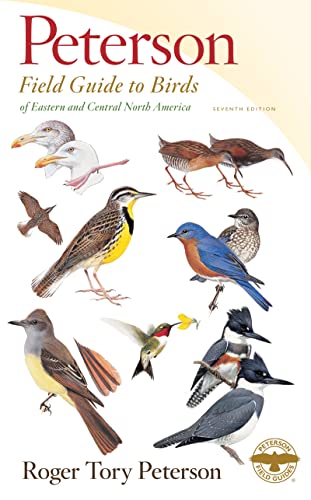
If you’re serious about nailing these IDs, keep a good field guide in your bag. The Peterson Field Guide to Birds of Eastern & Central North America has updated range maps that show exactly where buntings winter versus where finches stay year-round. It’s the kind of reference that settles arguments at the bird feeder.
The Beak Tells Most of the Story
Look at the beak first. This is the single fastest way to separate finches from buntings.
Finches have conical beaks designed for cracking seeds. Think of a House Finch or American Goldfinch. Their beaks are short, thick, and perfectly shaped to apply pressure to a sunflower seed shell. The upper and lower mandibles meet evenly.
Buntings also have conical beaks, but there’s a subtle difference. A bunting’s beak looks slightly more slender and pointed. The Indigo Bunting, for example, has a beak that seems almost too small for its body. It’s built for small seeds and insects, not for cracking tough shells.
Watch a bird for thirty seconds at a feeder. If it cracks open black-oil sunflower seeds with ease, it’s likely a finch. If it picks at tiny millet or spends time hunting insects in the grass, think bunting.
Plumage: Color Patterns That Don’t Lie
Color confuses people because both groups have bright males and dull females. But the pattern of that color is different.
Male finches often show color across the head, chest, and rump. A male House Finch has a red face, throat, and chest. A male Purple Finch looks like it was dipped in raspberry juice across its entire head and back. Goldfinches are bright yellow with black wings and a black cap.
Male buntings wear color differently. An Indigo Bunting is blue almost everywhere, but the color is concentrated and even. The wings show a hint of chestnut, especially in fresh fall plumage. A Painted Bunting looks like a patchwork quilt — blue head, red underparts, green back. That broken pattern of bold, separate color blocks is a bunting trait.
Female buntings tend to be warm brown with subtle wing bars. Female finches are often streaky — think of the heavy streaking on a female House Finch’s belly. If you see a clean, unstreaked brown bird, lean toward bunting.
Behavior and Habitat: Where to Expect Each Bird
Finches are feeder regulars. They form small flocks, chatter constantly, and visit tube feeders multiple times a day. American Goldfinches wait until late summer to nest, timing it with thistle seed availability. House Finches stay put all winter, even in cold northern states.
Buntings are more nomadic and often shyer. Indigo Buntings arrive in the eastern U.S. in May and sing from high, exposed perches — power lines, treetops, fence posts. They prefer brushy edges and overgrown fields over manicured yards. You’ll rarely see a bunting at a feeder unless you offer white proso millet on a platform or ground feeder.
Migration is another clue. Most finches in the eastern U.S. are permanent residents or short-distance migrants. Buntings are true neotropical migrants. An Indigo Bunting spends winter in Central America and flies hundreds of miles to breed in your backyard. That seasonal timing matters. If you see a blue bird in January in Ohio, it is not a bunting. It’s a bluebird or a finch.
Song and Calls Separate Them Instantly
Close your eyes and listen. Finches have simple, musical warbles. A House Finch song is a long, cheerful string of notes that ends with a harsh upward slur. Goldfinches sound like they’re saying po-ta-to-chip in flight.
Buntings deliver sharper, more deliberate phrases. An Indigo Bunting sings pairs of notes — sweet-sweet, chew-chew — often from the same perch for minutes at a time. The song sounds like it’s asking a question. Once you learn that cadence, you’ll pick buntings out of a noisy morning chorus without ever seeing them.
Common Misconception: All Small Seed-Eaters Are Finches
This is the biggest error new birders make. Sparrows, buntings, and even some warblers eat seeds at certain times of year. But they are not finches.
The distinction comes down to the jaw muscles and skull structure. Finches have powerful jaw muscles that let them crush hard seeds. Buntings have weaker jaws and prefer softer seeds or insects. That’s why buntings migrate — they need insect protein to feed their young, and insects disappear in winter.
So when someone calls every small brown bird a finch, gently correct them. Look at the beak, check the streaking, listen to the song. The evidence is right there.
Quick Reference Table: Finches vs Buntings
| Trait | Finches | Buntings |
|---|---|---|
| Family | Fringillidae | Cardinalidae (North America) |
| Beak shape | Thick, conical, powerful | Slender, pointed, smaller |
| Primary diet | Seeds, especially sunflower and thistle | Small seeds, insects, berries |
| Migration | Mostly resident or short-distance | Long-distance neotropical migrants |
| Feeder behavior | Regular, confident, flocks | Shy, occasional, prefers ground feeding |
| Male plumage | Washed color on head, chest, rump | Bold, separate blocks of color |
| Song style | Long, musical warbles | Sharp paired phrases, repetitive |
| Winter presence (East U.S.) | Common at feeders | Absent — migrated south |
Frequently Asked Questions
Can buntings and finches interbreed?
No. They are in different families and cannot produce offspring together. Even within their own families, cross-species breeding is rare.
Why do I see buntings at my feeder in winter?
You probably don’t. If you live in the eastern U.S., buntings leave by October. A small brown bird at your winter feeder is more likely a female House Finch, a Song Sparrow, or a Dark-eyed Junco. Check for streaking on the belly to confirm a finch.
What is the best food to attract buntings?
White proso millet scattered on the ground or on a low platform feeder works best. Buntings rarely cling to tube feeders. They prefer to feed at ground level where they feel safe. Offering millet in a quiet corner of your yard is your best bet.
Are goldfinches considered buntings?
No. Goldfinches are true finches. They have the thick beak and seed-cracking ability of the Fringillidae family. The name “goldfinch” confuses people, but they are not related to buntings in any way.
How can I tell a female Indigo Bunting from a female House Finch?
Look at the belly. A female House Finch has heavy brown streaking on a pale belly. A female Indigo Bunting has a plain, warm brown belly with no streaking. Also check the beak — the bunting’s is smaller and more delicate.
What to Remember at the Feeder
- Check the beak first. Thick and powerful means finch. Slender and small means bunting.
- Look for streaking on females. Streaked belly = finch. Clean belly = bunting.
- Note the season. Blue birds in winter are not buntings in most of North America.
- Listen for song. Repetitive paired notes suggest a bunting. A long, jumbled warble suggests a finch.
- Watch the feeding style. Finches work tube feeders confidently. Buntings prefer ground feeding and flee quickly.
- Use a reliable field guide with current range maps, like the Peterson guide, to confirm your ID back home.
- Keep a record of what you see. A simple notebook entry on date, location, and behavior will sharpen your ID skills faster than any app.
Once you start noticing these differences, you’ll see the bird world with sharper eyes. The next time a small bird lands on your feeder, you won’t just guess — you’ll know. For more help with feeder setup, check this finch feeder guide to bring more of them in. And if you’re wondering about seasonal feeding habits, this summer feeding advice covers the pros and cons. For the broader picture on small songbirds, the finch vs warbler comparison is worth a read.