Why Do Cuckoos Lay Their Eggs in Other Birds’ Nests?
Contents
The Unwanted Guest in the Nest
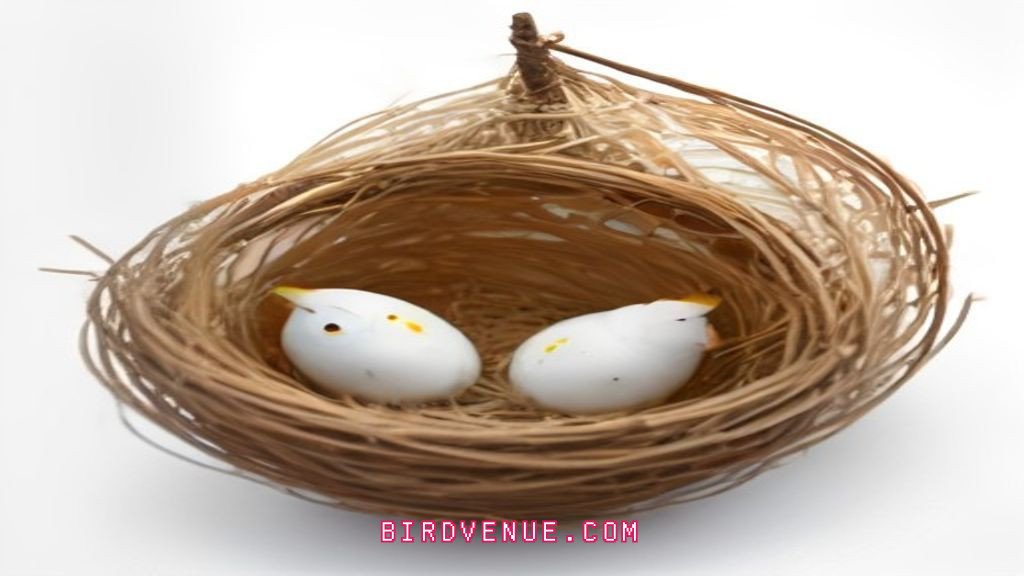
You’re watching a small reed warbler busily feeding a chick that’s twice its size. The chick’s mouth is wide open, its orange gape almost glowing. The warbler works nonstop, bringing insect after insect, while the giant chick—a young cuckoo—demands more. This scene plays out across Europe, Asia, and Africa every breeding season, and it raises a question that has puzzled naturalists for centuries: why do cuckoos lay their eggs in other birds’ nests?
The short answer is that cuckoos are brood parasites—they outsource the hard work of raising young to other species. But the real story is more complex and more fascinating. It involves evolutionary arms races, egg mimicry, and a host of survival strategies that have developed over millions of years. In this article, I’ll walk you through the reasons behind this behavior, how cuckoos get away with it, and how host birds fight back. You’ll also learn why some cuckoo species don’t parasitize at all, and how this behavior affects the birds you might see in your own backyard.

CooShou
CooShou Bird Nest Box Parakeet Breeding Nest…
- 【Two Layers Design】The different design of our bird nesting box from other stores is the material of the breeding box.This stereos…
- 【Size Information】This nest box is suitable for small parrots and is designed to provide parrots with a comfortable and warm habit…
- 【Safe Pine Material】Bird nesting box is respectively made of natural pine wood, acrylic which are warm and cozy, safe, non-toxic,…
If you keep pet birds, you might notice that nesting behavior varies widely among species. A good nesting box can help your birds feel secure and encourage natural breeding. For example, the CooShou Bird Nest Box combines pine wood with a transparent acrylic side, so you can watch the nesting process without disturbing your birds. It’s a practical tool for observing your own birds’ parental instincts—something cuckoos never bother with.
The Evolutionary Logic of Brood Parasitism
Why would a bird give up the chance to raise its own young? For cuckoos, the answer lies in energy and survival. Raising chicks is exhausting. A female bird must build a nest, incubate eggs, and then feed demanding chicks for weeks. Each of those steps carries risk: predators might find the nest, weather might destroy it, or food might run short. By laying eggs in another bird’s nest, a cuckoo avoids all those costs. She can lay many more eggs in a season because she doesn’t invest in parental care. Some female cuckoos lay up to 25 eggs in a single breeding season, each in a different host nest.
This strategy works because the cuckoo chick is a master manipulator. It hatches earlier than the host’s own chicks, then pushes the other eggs out of the nest. The host parents then devote all their attention to the cuckoo chick, even though it looks nothing like their own offspring. The cuckoo chick grows fast, often reaching twice the size of its foster parents. It also mimics the begging calls of multiple host chicks, which tricks the parents into feeding it more.
But why don’t host birds simply reject the foreign egg? In many cases, they do. Some species, like the Eurasian blackbird, will abandon a nest if they spot an odd egg. Others, like the reed warbler, have become experts at recognizing their own eggs’ patterns and colors. This has led to an evolutionary arms race: cuckoos evolve eggs that look more like the host’s, and hosts evolve better discrimination. The result is a delicate balance where some cuckoo eggs are so perfectly mimicked that they’re almost impossible to tell apart.
Not all cuckoos are brood parasites, though. About 60 species of cuckoos are parasitic, but the other 80 or so build their own nests and raise their young normally. The parasitic species have evolved this behavior independently in different parts of the world. For instance, the great spotted cuckoo in Africa and the Asian koel in Southeast Asia both parasitize different host species. This suggests that brood parasitism can be a successful strategy under the right conditions—when hosts are abundant and predators are many.
How Cuckoos Get Away with It
Successful parasitism requires more than just dropping an egg in a nest. The female cuckoo must choose the right host, time the egg-laying perfectly, and sometimes even remove one of the host’s own eggs to make room. Let’s break down the steps:
- Host selection: Female cuckoos often specialize on one host species. They learn the songs and nest locations of their preferred hosts during their own upbringing, a process called natal philopatry. For example, a cuckoo raised by reed warblers will likely parasitize reed warblers when she breeds.
- Egg timing: Cuckoos lay their eggs incredibly fast—often in less than 10 seconds. They watch the host nest closely and lay their egg just before the host lays her first egg. This ensures the cuckoo chick hatches first, giving it a head start to evict the host’s eggs.
- Egg mimicry: Over time, cuckoo eggs have evolved to resemble the host’s eggs in color, size, and pattern. In some cases, the mimicry is so good that even expert ornithologists struggle to tell them apart. However, the cuckoo egg is usually slightly thicker, which helps it survive the host’s incubation efforts.
- Chick behavior: The cuckoo chick hatches after about 11-12 days, compared to the host’s 12-14 days. Within hours, it uses a special depression on its back to push the other eggs out of the nest. This instinct is so strong that the chick will evict anything that feels like an egg, even if it’s a dummy.
But hosts aren’t passive victims. Many birds have evolved defenses. Some, like the American yellow warbler, build a new nest floor over the parasitized one, effectively burying the cuckoo egg. Others, like the superb fairy-wren, teach their young a secret password—a unique call note that the mother sings to her eggs. The chicks learn this call while still in the egg and use it to beg for food. Cuckoo chicks don’t know the password, so they get less food and often starve.
This arms race is a classic example of coevolution. It shows how a single behavior—laying eggs in others’ nests—can drive the evolution of recognition, mimicry, and counter-mimicry. It’s a reminder that nature isn’t always harmonious; it’s full of conflict and adaptation.
Host Defenses and the Cost of Parasitism
Host birds pay a heavy price for being parasitized. The cuckoo chick usually evicts the host’s own eggs or chicks, so the host loses its entire brood. Even if the cuckoo chick doesn’t evict (in some species, like the great spotted cuckoo, the host chicks survive alongside), the cuckoo chick is so demanding that it often outcompetes the host chicks for food. This can lead to starvation of the smaller chicks.
Because the cost is so high, natural selection strongly favors hosts that can detect and reject cuckoo eggs. But rejection isn’t always easy. Some hosts can’t physically remove a cuckoo egg because its shell is too thick. Others might accidentally break their own eggs while trying. So some hosts have evolved a different strategy: they abandon the nest entirely and start over. This is costly, but it’s better than losing the whole brood.
The table below compares the common host defenses and their trade-offs:
| Defense Strategy | How It Works | Cost to Host | Examples |
|---|---|---|---|
| Egg rejection | Host removes or pecks the foreign egg | Risk of damaging own eggs; time and energy spent | Reed warbler, blackbird |
| Nest abandonment | Host abandons the nest and builds a new one | Loss of current eggs; extra energy for new nest | Yellow warbler, blue-gray gnatcatcher |
| Chick recognition | Host identifies and ignores cuckoo chicks | Requires learning; may fail with mimicry | Superb fairy-wren |
| Mobbing | Hosts attack cuckoos to drive them away | Risk of injury; cuckoos may return | Many small birds |
| Nest concealment | Hosts build nests in hidden or hard-to-reach places | May limit nest site availability | Various species |
Each defense has its pros and cons, and the best strategy depends on the host’s environment and the cuckoo’s behavior. For example, egg rejection works well when the cuckoo egg looks different, but fails when mimicry is strong. Nest abandonment is a safe bet, but it’s only possible if the season is still early enough to re-nest.
Interestingly, some host species have learned to recognize cuckoo adults and will attack them on sight. This is a proactive defense—it prevents the cuckoo from even approaching the nest. However, cuckoos are secretive and often lay their eggs at dawn or dusk when hosts are less alert.
For bird enthusiasts, understanding these dynamics can make backyard observations more rewarding. If you have a nesting box, you might notice that some birds are more vigilant than others. This is natural behavior. A good nesting box, like the CooShou Bird Nest Box, can provide a safe, secure environment for your birds to raise their own young without the threat of brood parasites—unless you have a cuckoo nearby, which is unlikely in most urban areas.
Frequently Asked Questions
Do cuckoos always lay their eggs in other birds’ nests?
No. Only about 60 of the 140 cuckoo species are brood parasites. The rest build their own nests and raise their chicks normally. Parasitic cuckoos are more common in the Old World, especially in Europe, Asia, and Africa. In the Americas, the most famous parasitic cuckoo is the brown-headed cowbird, which is not a true cuckoo but shares the same habit.
How does a cuckoo chick push other eggs out of the nest?
The chick is born with a special concave depression on its back. It wriggles underneath the host’s eggs and rolls them up and over the edge of the nest. This behavior is instinctive and happens within the first few days of hatching. The chick doesn’t need to be taught—it just knows.
Can host birds tell the difference between their own eggs and a cuckoo’s egg?
Many can, but it depends on the species. Some hosts, like the reed warbler, have excellent egg discrimination and will reject eggs that don’t match their own pattern. Others, like the dunnock, are less discriminating and accept almost any egg. The level of discrimination often matches the level of parasitism pressure—hosts that are frequently parasitized evolve better recognition.
Why don’t cuckoos just raise their own young?
Because brood parasitism allows them to produce more offspring with less energy. A female cuckoo doesn’t have to spend time building a nest, incubating, or feeding chicks. She can devote all her energy to laying eggs, sometimes up to 25 in a season. This is a successful strategy in environments where nests are abundant and predators are many.
Are cuckoos harmful to the host bird population?
In most cases, no. Cuckoos typically parasitize a small percentage of host nests, so the overall host population isn’t threatened. However, in some situations where host populations are already declining, high parasitism rates can contribute to further declines. This is more of a concern for rare or endangered host species.
What You Can Take Away
Brood parasitism is one of nature’s most fascinating survival strategies. It’s a reminder that evolution doesn’t always favor the strongest or the biggest—sometimes it favors the sneakiest. Here are a few key points to remember:
- Cuckoos lay eggs in other birds’ nests to save energy and increase their reproductive output.
- Only a fraction of cuckoo species are parasitic; the rest raise their own young.
- Host birds have evolved a range of defenses, from egg rejection to chick recognition, leading to an evolutionary arms race.
- The cuckoo chick’s eviction behavior is instinctive, not learned.
- Understanding these dynamics can enhance your appreciation of bird behavior, whether in the wild or in your own backyard.
- If you keep pet birds, providing a safe nesting site, like the CooShou Bird Nest Box, can support their natural breeding instincts.
- For more on related behaviors, check out what birds lay their eggs in other birds’ nests and why birds abandon their nests with eggs.