Java Birds: Complete Care Guide for Java Sparrows and Finches
Contents
Java birds – the name covers two similar but distinct species. The java sparrow (Padda oryzivora) and the java finch (often used interchangeably) are both popular cage birds. They share a homeland, a love of seeds, and a reputation for being hardy. But they differ in subtle ways that matter for care.
This guide covers everything: diet, housing, breeding, incubation, and the problems owners run into. You’ll learn what works and why, so you can make your own decisions with confidence.

A&E Cage Company
A&E Cage Co. Java Wood Multi Branch…
- Java Wood Multi Branch Perch - Small
- Natural Java Wood Branches are good for your bird with natural, varied diameters to exercise your bird's feet
- Environmentally friendly java wood uses wood from non-fruit bearing coffee trees which are normally removed to make way for new tr…
What Are Java Birds?
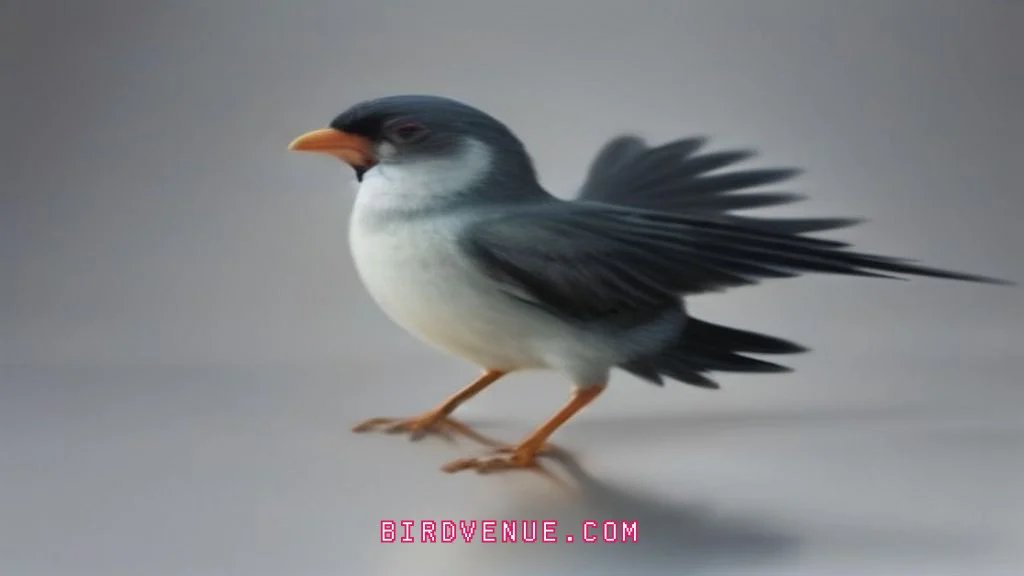
Java birds come from Java, Bali, and nearby Indonesian islands. They’re small, stocky finches with thick pink bills. The wild type is grey with a black head, white cheek patches, and a chestnut belly. Breeders have developed mutations – white, fawn, silver, and pied.
They’re not parrots. They don’t talk, and they don’t bond with humans the way a cockatiel might. But they’re active, social, and entertaining to watch. They do best in pairs or small flocks.
If you’re thinking about keeping java birds, start with the basics. java wood perches are a good place to begin – more on that later.
Java Sparrow vs. Java Finch: What’s the Difference?
People use the names interchangeably, but technically they’re the same species. The java sparrow is the correct common name. Java finch is a nickname that stuck. Both refer to Padda oryzivora.
So when you read about java finch breeding or java sparrow diet, it’s the same bird. That’s why search results mix the terms. Don’t let it confuse you.
Java Bird Diet: What to Feed
In the wild, java birds eat grass seeds, rice, and small insects. In captivity, a good seed mix is the foundation. Look for a finch mix that includes millet, canary seed, and panicum. Add a high-quality pellet for balanced nutrition.
Fresh greens matter. Offer spinach, kale, or dandelion leaves a few times a week. Grated carrot and apple (minus seeds) are good too. Some owners offer sprouted seeds – these boost protein and are especially useful during breeding.
Protein is critical during molt and breeding. Offer hard-boiled egg (mashed with the shell), or a commercial egg food. Mealworms are a treat, but not essential.
Always provide fresh water. Change it daily. Java birds drink a lot, especially in warm weather.
How to Feed Java Sparrows
Put food in a heavy ceramic bowl that won’t tip. Scatter some seed on the cage floor – java birds forage naturally, and it keeps them busy. Just clean the floor regularly to prevent mold.
Monitor how much they eat. A pair consumes about a tablespoon of seed per day. If you notice weight loss or fluffed feathers, check the food first.
Java Bird Housing: Cage Size and Setup
Java birds are active fliers. They need horizontal space more than height. A cage that’s at least 30 inches long, 18 inches wide, and 18 inches tall suits a single pair. Bigger is always better.
Bar spacing matters. Too wide, and they can get their heads stuck. Aim for 1/2 inch to 5/8 inch spacing. Stainless steel or powder-coated bars are easiest to clean.
Perches should be natural wood, not dowels. Dowels cause foot problems because they’re uniform in diameter. Natural branches vary, which exercises the feet. A good option is the A&E Cage Co. Java Wood Multi Branch Perch – it’s made from real java wood with varied diameters. Your birds will grip it comfortably, and it wears nails naturally.
Place perches at different heights, but not directly over food or water. That keeps droppings out of the dishes.
Toys are optional but welcome. Java birds like to shred paper and chew soft wood. Provide a couple of toys and rotate them weekly to prevent boredom.
Java Bird Breeding: Getting Started
Breeding java birds is rewarding but requires preparation. You need a proven pair, a proper nest, and the right diet. Let’s go step by step.
How to Sex a Java Sparrow
Sexing java birds is tricky because males and females look identical. The male’s song is the most reliable clue – he sings a series of pops and whistles. Females rarely sing. During breeding season, the male’s eye ring becomes brighter and thicker.
If you need certainty, ask a vet for a DNA test. It’s a simple blood or feather sample. Otherwise, observe behavior – males court females with a bouncing dance and a raised tail.
Breeding Season and Conditioning
Java birds breed year-round in warm climates. In temperate zones, spring and summer are typical. To trigger breeding, increase daylight hours to 14 per day and provide fresh greens and egg food.
Condition the pair for 2–3 weeks before giving a nest. This means good food, clean water, and no stress. A healthy pair will start courting quickly.
Nest Boxes and Nesting Material
Java birds prefer enclosed nest boxes. A wooden box about 12x12x12 inches with a 2-inch entrance hole works. Or use a wicker nest basket. Place it high in the cage, away from traffic.
Provide nesting material: coconut fiber, dried grass, or shredded paper. The pair will build a loose cup. Don’t use cotton or string – they can tangle around feet.
Egg Laying and Incubation
The female lays 4–6 eggs, one per day, usually in the morning. Incubation starts when the second or third egg appears. Both parents share incubation duties, but the female does most of the work.
The incubation period is 12–14 days. The male feeds the female while she sits. Don’t disturb the nest during this time – check only when necessary.
Java Finch Incubation Period
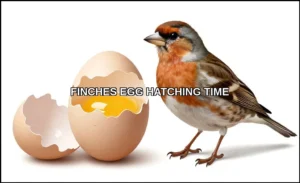
If you’re wondering how many days java takes to hatch eggs, it’s 12 to 14 days. Mark your calendar when the first egg appears. Candle the eggs after a week to check fertility – hold a bright light to the shell. Fertile eggs show a dark spot with blood vessels.
Raising Chicks
Chicks hatch blind and naked. The parents feed them crop milk – a secretion from the crop – for the first few days. Then they switch to softened seeds and egg food.
Keep providing egg food during the first two weeks. The parents need it to feed the young. After 3 weeks, chicks fledge (leave the nest). They still depend on parents for another 2 weeks.
Once the chicks are independent, remove them from the breeding pair. The parents may start another clutch. Give them a break of a few months between clutches to stay healthy.

Java Bird Incubation: Problems and Solutions
Incubation doesn’t always go smoothly. Here are common issues and what to do.
Java Finch Incubating Eggs Without Partner
Sometimes a female incubates alone. This happens if the male is young, sick, or uninterested. It also happens if the pair is new and hasn’t bonded. The female can manage for short periods, but she needs breaks to eat and drink. If the male never helps, consider a different mate.
Can Male Java Finch Raise Chicks Alone?
Yes, a male can raise chicks alone if the female dies or abandons them. He’ll feed them and keep them warm. But it’s stressful for him. Provide extra egg food and minimize disturbances. In most cases, chicks survive if they’re past the first week.
Java Finch Incubation Stress from Nearby Cages
Stress affects incubation. Loud noises, other birds, or frequent cage movement can cause the parents to abandon the nest. If you notice the female sitting less or the eggs getting cold, reduce stress. Move the cage to a quiet corner. Keep other birds at a distance.
Keeping Sick Bird Near Nesting Pair
Never house a sick bird near a breeding pair. Illness can spread, and the stress of a sick cage-mate can disrupt incubation. Quarantine any new or unwell bird in a separate room for at least 30 days.
Java Bird Behavior and Temperament
Java birds are social and active. They spend hours foraging, preening, and chattering. They’re not aggressive, but they can be territorial during breeding. A bonded pair will preen each other and sit close together.
They’re not cuddly. They don’t like being handled, and they’ll bite if forced. Respect their space. They’re best as aviary birds or in a large cage where they can fly.
They get along with other finches of similar size. Mixing with smaller species like zebra finches can work, but watch for bullying. Java birds are larger and may dominate food bowls.
Java Bird Health: Common Problems
Java birds are hardy, but they have a few weak points. Watch for these signs of trouble.
Respiratory Issues
Drafty cages and sudden temperature changes cause respiratory infections. Symptoms include sneezing, nasal discharge, and labored breathing. Move the bird to a warm, quiet place and consult a vet. Prevention is simple: keep the cage away from windows and air vents.
Foot Problems
Dowel perches cause bumblefoot – a bacterial infection on the feet. Symptoms include swollen feet, limping, and reluctance to perch. Switch to natural wood perches like the A&E java wood perch. Varied diameters prevent pressure sores.
Obesity
Seed-only diets lead to obesity, especially in inactive birds. Limit seed and offer pellets and vegetables. Provide flight space – a cage that’s too small contributes to weight gain.
Egg Binding
Female java birds can become egg-bound – an egg gets stuck in the reproductive tract. Symptoms include sitting on the cage floor, straining, and a swollen abdomen. This is an emergency. Keep the bird warm and get her to a vet immediately. Calcium supplements and proper diet reduce the risk.
Java Bird Lifespan
With good care, java birds live 7 to 10 years. Some reach 15. The key is diet, exercise, and regular vet check-ups. Birds hide illness well, so annual exams catch problems early.
Java Birds and Other Pets
Keep java birds away from cats and dogs. Even a playful cat can stress a bird to death. Place the cage in a room where other pets can’t reach it. If you have a dog that barks, the noise can frighten the birds.
Java Bird Cage Cleaning
Clean the cage weekly. Remove droppings from the tray, wash the dishes, and wipe down bars. Use a bird-safe disinfectant – dilute vinegar works. Rinse thoroughly. A clean cage prevents bacterial and fungal infections.
For daily spot cleaning, remove uneaten fresh food and wipe any spills. Change the cage liner every few days. If you have a messy eater, do it more often.
Java Bird Training and Taming
Java birds are not easy to tame. They’re prey animals, so they’re naturally cautious. But with patience, you can earn their trust. Spend time near the cage, talk softly, and offer treats like millet spray. Let them come to you.
Hand-taming takes months. It works best if you start with a young bird. Older birds may never be fully hand-tame. That’s okay – many owners enjoy them as aviary birds.
Java Bird Problems and Solutions
Common problems include feather plucking, screaming, and aggression. Feather plucking is often stress-related – check for boredom, overcrowding, or illness. Screaming can be a call for attention – respond calmly, but don’t reinforce it. Aggression during breeding is normal – give the pair space.
If you notice sudden behavior changes, rule out health issues first. A sick bird acts differently. When in doubt, see a vet.
Java Bird FAQs
How many days does a java bird sit on eggs?
Incubation lasts 12 to 14 days. The parents start sitting when the second or third egg is laid, so all eggs hatch close together.
Can java sparrows live with other finches?
Yes, with caution. They do well with other medium-sized finches like society finches. Avoid housing them with tiny species like waxbills – they may bully them.
What is the best food for java birds?
A quality finch seed mix, plus pellets, greens, and egg food during breeding. Fresh water daily.
How do I know if my java bird is male or female?
The male sings. He also has a brighter eye ring during breeding season. For certainty, use a DNA test.
Why is my java bird sitting on the cage floor?
It could be egg binding, illness, or the bird is just resting. Check for other symptoms like fluffed feathers or labored breathing. If worried, contact a vet.
Can java birds survive in cold weather?
They are tropical birds. They need temperatures above 60°F (15°C). In cold weather, keep them indoors or in a heated aviary. Drafts are dangerous.
Final Thoughts on Java Birds
Java birds are charming, active, and relatively easy to keep. They reward good care with years of entertainment. The main commitments are diet variety, spacious housing, and attention to breeding needs.
Start with a healthy pair, set up a proper cage with natural perches, and feed a balanced diet. Watch for signs of stress or illness. With steady care, your java birds will thrive.
For more on perches, see our java wood perches guide. And if you’re considering an aviary, check our advice on large bird feeders to keep wild visitors away from your flock.