Where Do Birds Go During Storms? Survival Secrets Revealed
Contents
You’ve watched the sky turn green, felt the pressure drop, and run inside before the first fat raindrop hits. But the chickadee that was working the feeder ten minutes ago? Gone. Vanished. You might wonder if it found a bush, a hole, or if it simply got caught out in the open.
The truth is more interesting than you’d guess. Birds don’t just “hide.” They read the weather hours before you do, then execute a survival plan that depends on their species, their habitat, and the specific type of storm. A robin in a thunderstorm does something completely different from a pelican in a hurricane.

tegongse
tegongse Bird Houses, Hanging Bird House Natural…
- Can be your yard decoration too.
- Use for outdoor hanging on the cage as well.
- Eco-friendly,durable,breathable,not easy to deform.
This article walks through the science of avian storm survival: how birds sense incoming weather, where different species shelter, the physics of wind shadows, and what you can do to help without making things worse. You’ll learn why a brush pile beats a birdhouse in some storms, and why city birds have a different playbook than country birds.
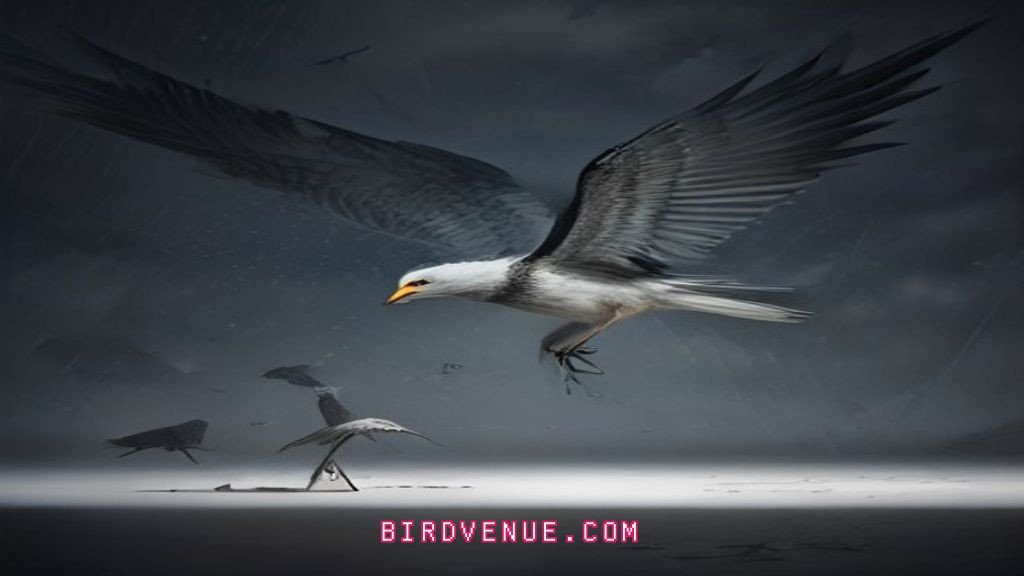
How Birds Predict a Storm (Before You See a Cloud)
Birds have biological barometers. The barometric pressure drops as a storm approaches, and birds feel it through their inner ear and air sacs. That pressure change triggers two responses: feed heavily now, or find shelter immediately.
You’ll see the feeding response first. Watch a feeder before a storm and you’ll notice frantic activity. Birds pack in calories because they know foraging will be impossible for the next several hours. Some species also sing less and call more, using contact calls to keep their flock together in poor visibility.
Light levels matter too. Storm clouds darken the sky, and birds that normally roost at dusk may head to cover earlier than usual. They’re not psychic. They’re responding to environmental cues we barely notice.
One overlooked cue is wind direction. A sudden shift to gusty, erratic wind signals an approaching front. Birds orient themselves into the wind, which helps them maintain control and keeps their feathers from being ruffled backward.
The Storm Survival Playbook: Shelter by Bird Type
There’s no single answer to where birds go during storms. Different birds have evolved different strategies, and each one works for their body size, feather structure, and habitat.
Songbirds and Perching Birds: The “Hunker Down” Strategy
Small songbirds like sparrows, finches, and chickadees use the roosting strategy. They find dense cover—thick shrubs, evergreen branches, or tangled vines—and sit motionless. Their feathers fluff up to trap warm air, creating an insulating layer that also sheds rain.
They pick spots close to tree trunks or in the thickest part of a bush. This blocks wind and keeps rain off their backs. Some species, like wrens and creepers, will use tree cavities if available, but most rely on foliage.
During a severe storm, a songbird’s heart rate drops and it enters a low-energy state. This isn’t full torpor (that’s a deeper, longer state), but it’s a controlled slowdown that conserves energy until the weather passes.
Cavity Nesters: The Safest Real Estate
Woodpeckers, nuthatches, chickadees, and bluebirds all seek out tree cavities during storms. A hole in a tree trunk offers the best protection: solid walls, a small opening, and a dry interior. The bird sits below the opening, out of the wind and rain.
Natural cavities are preferred, but nest boxes work too. That’s why installing a well-built birdhouse matters. A sturdy tegongse hanging bird house made from natural grass provides a breathable, insulated hideaway that mimics a cavity’s microclimate. It’s not a substitute for a tree hole, but it gives birds a safe option in yards where old trees are scarce.
The key is placement. A box or hanging shelter should face away from prevailing winds and sit in a spot that gets some afternoon shade. Birds will find it, but they need to trust it first.
Waterbirds and Seabirds: Riding Out the Storm at Sea
This surprises most people: seabirds don’t come to shore during a storm. They ride it out on the water. Petrels, shearwaters, and even some gulls will sit on the sheltered water behind a breakwater or in a calm bay, letting the waves pass under them.
Their feathers are heavily water-repellent, so they stay dry even in heavy rain. They also have a remarkable ability to ride out the hurricane eye. When a hurricane passes over, the eye is calm. Birds inside the eye will fly with the storm, staying in that calm zone until it passes. This is why you’ll sometimes see birds in the middle of a hurricane—they’re not lost, they’re using the storm’s structure.
Ducks and geese do something similar. They’ll sit on a pond or lake, facing into the wind, and let the water absorb the energy. It looks dangerous, but it works.
Raptors and Large Birds: Using Wind and Terrain
Hawks, eagles, and vultures can’t hide in a bush. Their size makes that impossible. Instead, they use the wind. Large birds will perch on the leeward side of a hill or ridge, where the terrain blocks the worst gusts. They sit low, often on a thick branch close to the trunk, and wait it out.
Some raptors will even fly into the storm’s wind, using it to gain altitude. That sounds counterintuitive, but strong updrafts let them soar with minimal effort. A red-tailed hawk during a thunderstorm might be riding a thermal, watching the rain pass below.
This works until it doesn’t. Severe storms with hail or tornadoes can kill raptors outright, but the strategy is sound for ordinary thunderstorms.
The Physics of a Bird’s Shelter: Wind Shadows and Microclimates
Wind is the biggest killer in a storm. Rain soaks a bird, but wind strips away its insulation. A bird’s feathers work best when they’re dry and fluffed. Wind flattens them and forces cold air against the skin.
Birds solve this by finding wind shadows—areas where the terrain blocks the wind. A leeward slope, the downwind side of a hill, or the base of a stone wall all create these pockets of calm. Even a thick hedge can create a wind shadow that extends several feet.
The physics are simple: wind accelerates over ridges and around buildings, but it slows dramatically in the lee of an obstacle. Birds know this. They’ll choose a spot just behind a tree line or a fence, not right next to it, because the wind curls over the top and hits the ground a few feet away.
Microclimates matter too. A south-facing slope stays warmer and dries faster than a north-facing one. A dense evergreen stand holds heat better than a bare deciduous tree. Birds don’t think about this consciously, but they’ve evolved to seek out these pockets of relative comfort.
This is why a brush pile works so well. It creates multiple wind shadows and microclimates in a small area. The interior stays drier and calmer than the surrounding yard, even in a downpour.
The Urban vs. Rural Divide: How Habitat Changes the Game
City birds face a different set of challenges. Pavement and buildings create urban heat islands, which keep temperatures higher but also create violent wind tunnels between skyscrapers. A pigeon in Manhattan during a storm faces gusts that funnel down canyon-like streets at double the speed of open-country winds.
Urban birds adapt by using human structures. They’ll shelter under eaves, on window ledges, inside vents, or under bridges. These spots aren’t natural, but they’re dry and wind-free. The downside is exposure to predators—feral cats and urban raptors know exactly where birds hide.
Rural birds have more options. They can find native plants, dense hedgerows, and natural cavities. But they also face more exposure. A field sparrow in a treeless pasture has nowhere to go when a storm hits. It will crouch in the grass, relying on its camouflage and the hope that the storm passes quickly.
The difference shows up in survival rates. Urban birds often survive the storm itself but die later from stress and energy depletion. Rural birds may die during the storm but recover faster if they make it through. Neither strategy is better—each is a trade-off.
The Real Threats: Rain, Hail, Lightning, and Barometric Pressure
Not all storms are the same. The threat profile changes with the weather type.
- Rain: The main danger is hypothermia. Wet feathers lose insulation value, and a bird that can’t find shelter will chill quickly. Small birds can die in heavy rain within an hour if they can’t dry off.
- Hail: This is the most lethal for birds. Hailstones can break bones, crack skulls, and knock birds out of the sky. There’s no shelter that fully protects against baseball-sized hail. Birds will wedge themselves into the tightest cavity they can find and hope.
- Wind: Wind kills by destroying shelter. A bird safe in a bush is vulnerable when the bush is torn apart. Strong winds also make flying impossible, so birds get stranded away from food and shelter.
- Lightning: Birds are actually at low risk from direct strikes. They’re small and don’t offer much of a path to ground. The bigger danger is the fire that lightning starts, which can destroy nesting habitat.
- Barometric pressure: The rapid drop before a storm can disorient birds, especially those in flight. Migrating birds that get caught in a pressure drop may lose their bearings and fly the wrong direction.
One threat that gets less attention is light pollution. Night-migrating birds use the stars and the earth’s magnetic field to navigate. Storm clouds block the stars, and city lights shine through the clouds, creating a glow that pulls birds off course. During a storm, these disoriented birds may circle a lit building for hours, exhausting themselves. They often crash into windows or land in unsafe areas.
If you want to help, turn off unnecessary outdoor lights during stormy nights. It’s a small change with a real impact.
The Post-Storm Scramble: What Birds Do When It’s Over
The moment the storm passes, birds shift into emergency mode. They’ve burned through their fat reserves, and many haven’t eaten in 12 to 24 hours. The post-storm foraging that follows is frantic and visible.
You’ll see birds at your feeder within minutes of the rain stopping. They’re not being dramatic—they’re starving. This is the “golden hour” for birders. Species that normally avoid each other may feed side by side, too exhausted to compete.
If you maintain feeders, this is the time to refill them. A full feeder after a storm can be the difference between survival and death for small birds. The same goes for bird baths: storm runoff may have contaminated standing water, so fresh water is a welcome resource.
Birds also use this time to preen and dry their feathers. You’ll see them spreading wings and shaking, working to restore their waterproofing. This is critical, because a bird with wet feathers is vulnerable to the next cold night.
Within a day, most birds return to their normal routines. But the storm’s effects linger. Nestlings may have died, territories may have shifted, and food sources may be depleted. The post-storm period is when birds are most vulnerable to predators, because they’re tired and focused on eating.
How to Build a Storm-Proof Backyard Refuge (Step-by-Step)
You can’t control the weather, but you can give birds a fighting chance. A well-built brush pile is one of the best storm shelters you can offer. Here’s how to build one that actually works.
- Start with a base layer of large logs. These create air spaces underneath that stay dry. Use logs 4 to 6 inches in diameter, laid parallel with gaps between them.
- Add a cross-layer of smaller branches. Lay them perpendicular to the base logs. This creates a lattice structure with multiple entry points.
- Pile on leafy branches. Evergreen branches are best, because they hold their needles and provide dense cover. Oak and maple branches work too, but they’ll drop leaves faster.
- Leave a gap in the center. Don’t fill the pile solid. Birds need a hollow interior where they can sit out of the wind. You can create this by placing a small box or a few bricks in the center before you add the outer layers.
- Top it with a thick layer of loose leaves or straw. This sheds rain and adds insulation. Aim for at least 6 inches of loose material.
- Place the pile near a tree line or fence. That gives birds a quick escape route and adds an extra wind shadow.
This structure mimics a natural cavity. It’s not perfect, but it’s far better than a bare yard. Birds will use it for roosting year-round, not just during storms.
You can also add a few hanging shelters like the tegongse natural grass bird house. It won’t replace a brush pile, but it gives birds another option, especially in yards without mature trees. Hang it in a sheltered spot, and check it after heavy storms to make sure it’s still secure.
| Shelter Type | Best For | Storm Protection Level | Main Limitation |
|---|---|---|---|
| Tree cavity | Woodpeckers, chickadees, nuthatches | Excellent—solid walls, dry interior | Requires mature trees |
| Evergreen tree | Sparrows, finches, juncos | Good—dense needles block wind and rain | Needles can hold ice in freezing rain |
| Brush pile | Most small birds, ground feeders | Good to excellent—creates multiple microclimates | Needs regular maintenance |
| Nest box / hanging house | Bluebirds, wrens, chickadees | Good—dry and wind-free | Can overheat in summer; needs cleaning |
| Open water (for waterbirds) | Ducks, geese, gulls | Good—water absorbs wave energy | No protection from hail or lightning |
| Building eaves / ledges | Pigeons, swallows, urban birds | Fair—dry but exposed to predators | Not available in rural areas |
FAQ: Common Questions About Birds and Severe Weather
Do birds get blown away in high winds?
Sometimes, but not as often as you’d think. Birds are lightweight, and strong winds can push them off course. But they’re also skilled at finding wind shadows and anchoring themselves with their feet. Small birds will grip a branch tightly and flatten their bodies to reduce drag. Larger birds are more at risk, especially during takeoff or landing in gusty conditions.
Why do birds fly into the eye of a hurricane?
They don’t do it on purpose. Birds caught in a hurricane’s outer bands get pulled into the storm’s circulation. The eye is the only calm area, so birds that end up there will ride it until the storm passes. Some seabirds have been tracked flying inside the eye for hours, conserving energy until they can escape.
Should I put out food before a storm?
Yes, but not just before—put it out early. Birds need to bulk up before the storm hits, so having a full feeder in the hours leading up to bad weather is genuinely helpful. After the storm, refill it immediately. The birds that survive will need those calories.
Is it okay to move a bird that looks injured after a storm?
Usually not. A bird that’s sitting quietly after a storm is often just exhausted, not injured. Picking it up causes stress and can be fatal. Give it space and time to recover. If it’s clearly bleeding or can’t stand, contact a licensed wildlife rehabilitator. Don’t try to care for it yourself—most well-meaning attempts do more harm than good.
Do birds ever die from storms?
Yes, and it’s more common than most people realize. A single severe hailstorm can kill thousands of birds. Cold rain is another major killer, especially for small birds that can’t find shelter. But birds have evolved for millions of years of weather, and most storms don’t cause mass mortality. The ones that do are usually extreme events with hail or prolonged cold rain.
The Bottom Line: Respecting Nature’s Resilience
Birds are better equipped for storms than we give them credit for. They read pressure changes, find wind shadows, and use every tool available to survive. Your backyard can be part of that survival plan.
- Keep feeders full before and after storms—those calories are life-or-death.
- Build a brush pile with a hollow center and a thick leaf top; it’s the best shelter you can offer.
- Install a sturdy hanging birdhouse in a sheltered spot to mimic a tree cavity.
- Turn off outdoor lights on stormy nights to keep migrating birds from getting disoriented.
- Leave natural areas wild. Dead trees, dense shrubs, and native plants are bird shelters.
- Don’t intervene with exhausted birds—give them space, and call a rehabber if they’re truly injured.
- Watch after the storm. The “golden hour” of post-storm foraging is a great time to observe birds up close.
Storms will come and go. Birds will face them with instincts honed over millions of years. A little help from you—a full feeder, a brush pile, a dark night—makes their survival a bit more likely. That’s a small thing, but it matters. For more on how birds handle extreme weather, check out hurricane survival tactics and rainy day behavior.