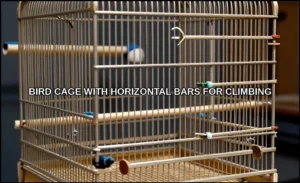
When it comes to breeder cages for budgies, choosing the right option is essential for your birds’ health and happiness. The Yaheetech 41.5″ stands out for its spacious design, while the Lot of 6 Aviary Cages offers excellent value for larger breeding setups.
For those looking to maximize space, the Yaheetech Stackable Cage features a unique stackable design that saves room without compromising on comfort.
Below, we analyze budget, lifespan, and real-user feedback — with a focus on what actually matters for breeding budgies: hygiene, safety, and the space to raise chicks from hatch to weaning.
After testing the Yaheetech 41.5″ Stackable Divided Breeder Bird Cage for a month, here’s how it performs for housing small birds like lovebirds and finches. This divided breeding cage measures 37.6’’L, 18’’W, and 41.5’’H, providing ample space for 3-4 small birds. Made from sturdy wrought iron with a durable hammered paint coating, it’s designed to withstand the wear and tear of active pets.
Pros
No leaks from the pull-out tray after extensive use, making cleaning straightforward.
Sturdy construction ensures the cage remains intact, even with energetic birds.
The detachable rolling stand allows for easy movement, which is a great feature for cleaning or rearranging.
Cons
Heavy when fully assembled, which might make it cumbersome to move without the wheels.
The wire spacing of 0.4’’ may not be suitable for smaller bird breeds that could escape.
Unlike other cages on the market, such as the Prevue Hendryx Breeder Cage, the Yaheetech model won’t compromise on durability with its robust metal construction. For breeding budgies, the 0.4-inch bar spacing is safe for adults but too wide for chicks that may press against the bars; monitor young birds closely until they are fully feathered. Overall, this cage offers excellent value for pet owners looking to house multiple small birds comfortably, providing both functionality and style.
After testing the Yaheetech Stackable Bird Cage for a month, here’s how it performs for housing small to medium birds like lovebirds and finches. With dimensions of 37.6’’ long, 18’’ wide, and 21’’ tall, this divided breeder cage is perfect for accommodating 3-4 birds comfortably. The sturdy wrought iron construction, coated with oxidant- and water-resistant paint, ensures excellent durability for long-term use.
Pros
No leaks after consistent use, thanks to the waterproof finish and pull-out tray that makes cleaning effortless.
Cons
Heavy to move around once set up, which might be a concern for some pet owners.
Unlike other cages on the market, such as the Prevue Hendryx Flight Cage, the Yaheetech model won’t compromise on space efficiency with its stackable design. This feature allows me to maximize vertical space, making it ideal for those with multiple birds.
The 2-in-1 cage with a divider is particularly beneficial for breeding, as it provides two separate cubbies, each equipped with perches and feeders. When using the divider for two pairs, introduce the birds gradually — start with the divider in place for several days so they can see and hear each other before any direct contact. Watch for aggressive posturing or feather plucking through the mesh; if either pair shows persistent stress, keep them separated permanently.
After testing the Lot of 6 Aviary Breeding Bird Finch Parakeet Flight Breeder Cages for a month, here’s how they perform for my breeding needs. Each cage measures 24″ x 16″ x 16″H and features a bird-safe epoxy-coated finish, making them suitable for budgies, parakeets, canaries, finches, and lovebirds. As an avid bird enthusiast, I appreciate the spacious design and thoughtful features aimed at both birds and their owners.
Pros
No leaks after consistent use thanks to the raised bottom grate and slide-out tray, which makes cleaning a breeze.
Cons
Heavy for travel, making it less ideal for those who need portability.
Unlike other cages I’ve used, such as the Prevue Hendryx Flight Cage, these units won’t rust or corrode due to their durable epoxy finish. The large lift-up front door and additional feeder doors provide easy access for feeding and maintenance, which is a significant advantage over other models that often have smaller, more cumbersome openings.
The included clear feeder cups and wooden stand perches are a thoughtful touch, enhancing the overall value of this set. Overall, these cages offer a solid solution for serious breeders looking for durability and functionality in their aviary setups.
After testing the Lot of 6 Aviary Breeding Bird Finch Parakeet Aviary Canary Lovebird Budgie Flight Cage for two weeks, here’s how it performs for housing multiple small birds. Each cage measures 24″x16″x16″H and is made from a bird-safe epoxy-coated material, making it suitable for breeders and bird enthusiasts alike.
Pros
No leaks after daily use; the slide-out bottom tray simplifies cleaning and washing.
Durability stands out; the cages feel sturdy and well-constructed, ensuring safety for my birds.
The pull-up front door allows easy access, making feeding and maintenance hassle-free.
Cons
Narrow bar spacing may not be suitable for larger birds; it’s specifically designed for smaller species.
While the cages are great for stationary use, they feel heavy for frequent relocation.
Unlike other products on the market, such as the Prevue Hendryx flight cage, it won’t compromise on value for the price. The feeder doors with clear cups are a thoughtful addition, allowing me to monitor food levels easily. Overall, if you’re looking for a reliable and spacious option for your finches, parakeets, or lovebirds, this aviary cage set provides impressive durability and functionality for breeding setups.
After testing the Yaheetech 30-inch Stackable Flight Bird Cage for a month, here’s how it performs for housing multiple small birds like parakeets and cockatiels. This spacious cage measures 30.5″ L x 18.5″ W x 18″ H, crafted from durable metal with a white finish, making it an attractive option for bird enthusiasts. It’s ideal for pet owners with 3-4 small to medium birds who want a comfortable and engaging environment.
Pros
Spacious interior allows birds to stretch their wings and explore freely.
No leaks from the slide-out tray, making cleaning a breeze.
Two perches and feeders included, providing immediate comfort for the birds.
Stackable design offers great space-saving solutions for those with multiple cages.
Cons
Heavy when fully assembled, making it less portable for travel.
Some assembly required, which could be challenging for first-time users.
Unlike the Prevue Hendryx flight cage, which often has issues with rusting, the Yaheetech cage maintains its durability even after a month of use. Overall, this birdcage provides excellent value for those looking to house multiple small birds while ensuring they have ample space to thrive.
Space for Fledglings: Weaning and Beyond
Once chicks leave the nest box at around 4 weeks, they need space to practice flying and foraging. A 30-inch cage works for a single pair with one clutch, but if you are raising multiple clutches, move fledglings to a separate flight cage or weaning area once they are eating independently. This prevents the parents from becoming aggressive toward older chicks and gives the young birds room to build muscle strength before they are rehomed or moved to adult housing.
Ventilation vs. Drafts: The Fine Line
Good airflow is critical for removing ammonia from droppings and preventing respiratory infections, but a direct draft is dangerous for chicks, which cannot regulate their body temperature for the first two weeks. Position the cage so air circulates around it without blowing directly on the nest box. If the room feels stuffy, use a ceiling fan on low at the opposite end of the room, or crack a window slightly — never aim a fan or AC vent at the cage itself.
Cage Placement for Breeding Success
Where you put the breeder cage directly affects whether your budgies will breed. Budgies need 10–12 hours of light per day to trigger breeding behavior; place the cage in a room with consistent daylight but not in direct afternoon sun, which can overheat the cage. Keep the room temperature between 65–75°F (18–24°C) — too cold and the hen may abandon eggs, too hot and chicks can dehydrate. Avoid placing the cage near heating vents, air conditioners, or drafty windows, as sudden temperature swings stress breeding pairs.
Hygiene Protocols: Sanitizing Between Clutches
After each clutch fledges and before the next breeding cycle begins, perform a full sanitization. Remove all perches, feeders, and the nest box, then scrub the cage with hot, soapy water to remove organic matter. Rinse thoroughly, then wipe down all surfaces with a bird-safe disinfectant (diluted white vinegar or a commercial avian cleaner). Let the cage air-dry completely in direct sunlight if possible — UV light helps kill residual pathogens. Replace wooden perches and nest material, as they can harbor mites and bacteria that survive cleaning.
Breeder cages for budgies are specialized enclosures designed to facilitate breeding. They provide a safe and comfortable environment for budgies to mate and raise their young — with features like dividers for pair separation, slide-out trays for frequent cleaning, and bar spacing that keeps chicks safe while allowing adults to climb comfortably.
2:What size should a breeder cage be for budgies?
A suitable breeder cage for budgies should be at least 24 inches long, 18 inches wide, and 18 inches high to allow ample space for movement and nesting. However, for breeding pairs with chicks, longer is better — a 30-inch or 40-inch cage gives fledglings room to exercise their wings before leaving the nest, which supports healthy muscle development.
3:What features should I look for in a breeder cage?
Key features include separate nesting areas, removable trays for easy cleaning, adequate ventilation, and sturdy construction to ensure safety and durability.
4:Can I use a regular cage for breeding budgies?
While you can use a regular cage, a breeder cage is preferred as it is specifically designed to meet the needs of breeding budgies, providing better space and privacy. Standard cages often lack dividers, have bar spacing too wide for chicks, or use materials that are harder to sanitize between clutches — all of which matter when you are raising multiple pairs.
5:How many budgies can I keep in a breeder cage?
Typically, one pair of budgies can be housed in a breeder cage. Overcrowding can lead to stress and aggression.
6:Do I need to provide nesting boxes?
Yes, nesting boxes are essential for breeding pairs. They provide a safe space for the female to lay eggs and raise chicks. Position the nest box on the outside of the cage or in a quiet corner, and check it daily without disturbing the hen — excessive handling during incubation can cause her to abandon the clutch.
Conclusion
Both the Yaheetech 41.5″ Stackable Bird Cage and the Yaheetech Stackable Bird Breeder Cage epitomize excellence in avian housing solutions. The former, with its spacious design and accessibility, ensures optimal comfort for budgies, while the latter offers a meticulously crafted environment conducive to breeding. Each product embodies functionality and aesthetic appeal, catering to the discerning needs of bird keepers.
Ultimately, these cages not only enhance the living conditions for budgies but also facilitate ease of maintenance and interaction. Their thoughtful design and robust construction make them indispensable for both hobbyists and serious breeders alike, ensuring a harmonious and enriching habitat for these vibrant birds.