Best Bird Netting for Garden: 5 Honest Picks That Actually Work
Contents
You plant tomatoes in May, water them all June, and by mid-July the robins have stripped every ripe fruit down to the stem. It’s infuriating. Spraying repellents feels wasteful, scarecrows stop working after a week, and row covers turn into saunas. The only thing that genuinely stops a bird from eating your harvest is a physical wall it cannot see through or fly past.
| 1st Pick | 2nd Pick | 3rd Pick | 4th Pick | 5th Pick |

|

|

|

|

|
| LCHUANG Bird Netting for Garden Protection - 4… | Feitore Feitore Deer Fence Netting, 7x100ft Garden Net… | KLEWEE KLEWEE Bird Netting, 7.5 x 100 FT… | DQS DQS Bird Netting 50' x 50', 2.4"… | Sukh Sukh Bird Netting for Garden 13x33ft -… |
| See on Amazon | See on Amazon | See on Amazon | See on Amazon | See on Amazon |
Bird netting is that wall, but the category is full of cheap rolls that tangle into knots, tear after one season, or strangle the very plants they’re meant to protect. A good net keeps birds out without trapping lizards, snakes, or your neighbor’s cat. It survives UV rays and wind. It lets rain and pollinators through at the right times. And it doesn’t cost you a fortune per season.
I tested five of the most popular options on Amazon, from a small drawstring cover for blueberry bushes to a 50×50-foot monster for orchards. Each one earned its place for a different reason. Below, a comparison table, then honest reviews that skip the marketing fluff. If you only want one answer, the KLEWEE roll is the best all-around value for most home gardens.
Here’s how the five picks stack up on the specs that actually matter:
| Features | LCHUANG Drawstring | Feitore Deer Fence | KLEWEE Heavy Duty | DQS 50×50 Nylon | Sukh 13×33 Roll |
|---|---|---|---|---|---|
| Material | Polyethylene | Polypropylene | UV-resistant new material | Nylon multifilament | Polyethylene |
| Mesh Size | 0.8mm x 1mm (ultra-fine) | 3/4 inch | 3/4 inch | 2.4 inch | 0.8 inch |
| Coverage Area | 3.3ft x 2.7ft per pack | 7ft x 100ft | 7.5ft x 100ft | 50ft x 50ft | 13ft x 33ft |
| Best Use Case | Individual plants | Fences, rows | Fruit trees, berries | Large orchards, ponds | Raised beds, poultry |
| Included Accessories | Drawstring closure | 10 nails, 50 ties | 10 staples, 50 ties | 100 ties, 12 stakes, 10 nails | None |
LCHUANG Drawstring Covers
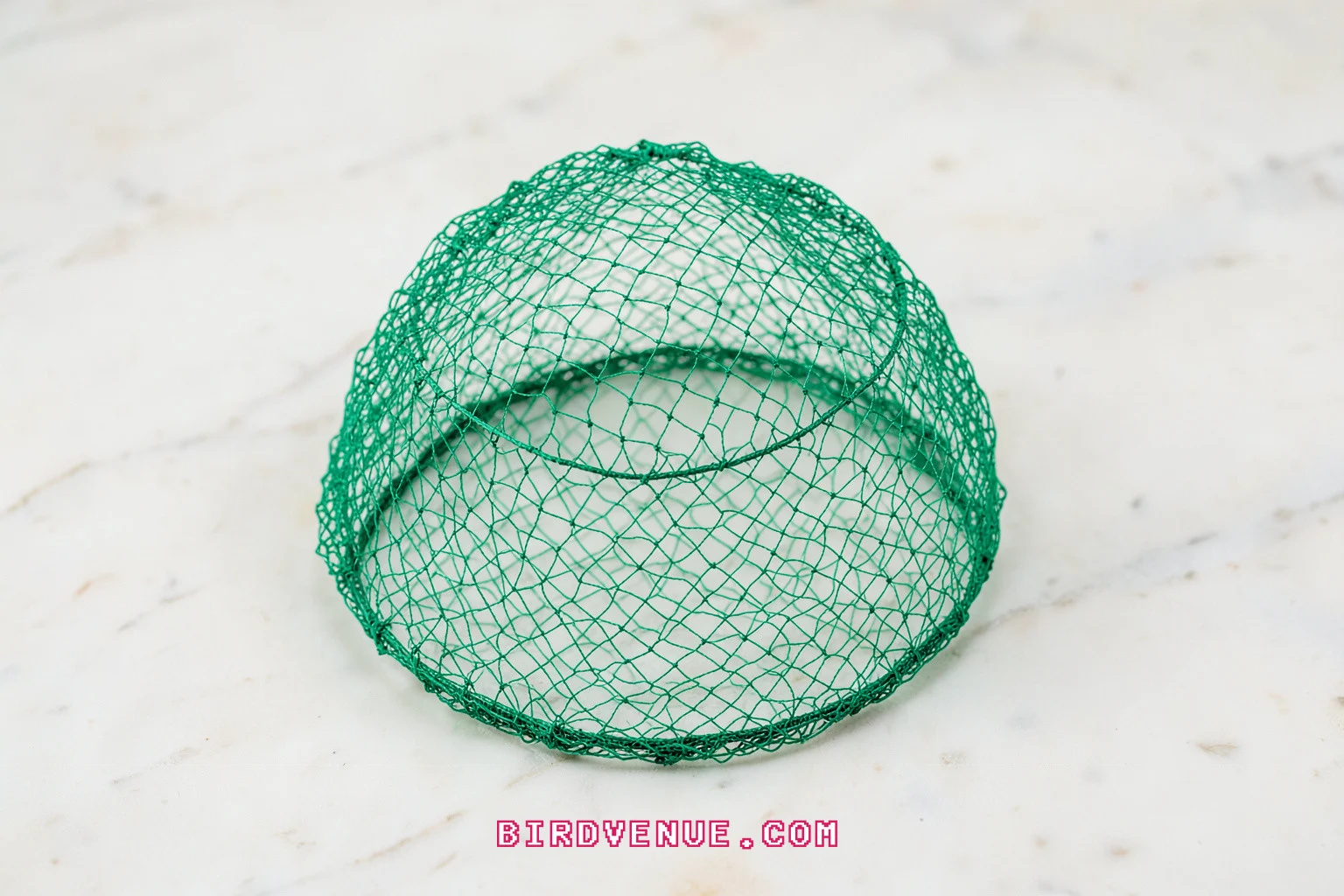
These are for the gardener with a few precious plants, not a whole row. Each pack comes with four individual covers measuring 3.3 by 2.7 feet, and each one has a drawstring at the bottom. You drop it over a tomato cage or a blueberry bush, pull the cord, and walk away. No stakes, no cutting, no fuss.
The mesh is incredibly fine at 0.8mm by 1mm, which means it blocks not just birds but also cicadas, aphids, and most beetles. That’s a genuine advantage if you’re fighting insects as much as feathered thieves. The material is lightweight polyethylene, so it won’t bend branches or crush young plants. Water and liquid fertilizer pass right through, so you can leave the cover on while you water.
The trade-off is size. These covers are small, and the drawstring closure means they work best on single plants or small containers. Drape one over a sprawling zucchini plant and you’ll fight to get it closed. Also, the fine mesh can block larger pollinators like bumblebees if you leave it on during peak bloom, so plan to remove it for a few hours each morning when flowers open.
- Four covers per pack, each with a drawstring for a snug fit
- Ultra-fine mesh blocks insects as well as birds
- PE material is light enough for delicate seedlings
- No tools needed — just place and tighten
- Lifetime exchange service from the brand
Best for: Container gardeners and raised-bed growers protecting individual tomato plants or berry bushes from both birds and insects.
Feitore Deer Fence Netting
This is a big roll — 7 feet tall and 100 feet long — with a 3/4-inch square mesh. It’s marketed as deer fencing, but it works just as well for birds, chickens, and rabbits. The material is polypropylene, which is lighter than nylon but still tough enough to resist tearing. It comes with 10 installation nails and 50 cable ties, so you can put it up the day it arrives.
The 3/4-inch mesh is the sweet spot for bird control. It’s small enough to keep out sparrows, starlings, and pigeons, but large enough to let bees and other pollinators through. That’s a big deal. You can leave this netting over your strawberries for the entire fruiting season without worrying about locking out the insects your plants need.
What holds this back from the top spot is the material’s long-term durability. Polypropylene is fine for two or three seasons, but it will degrade faster than nylon under intense summer sun. If you live in Arizona or Texas, expect to replace it sooner. Also, the roll is long and can be a wrestling match to unfold alone. Have a helper or a large flat surface ready.
- 7×100 feet covers long rows or multiple small trees
- 3/4-inch mesh balances bird protection with pollinator access
- Reusable and won’t rust or rot like metal fencing
- Cut with scissors to any size without fraying
- Includes nails and cable ties for immediate installation
Best for: Vegetable growers with long raised beds or berry patches who need a versatile, budget-friendly barrier that also handles deer pressure.
KLEWEE Heavy Duty Netting
This is the one I’d buy for my own garden. It’s a 7.5 by 100-foot roll of 3/4-inch mesh, made from a UV-stabilized material that feels noticeably sturdier than the Feitore option. The brand claims it’s stronger than diamond mesh nets, and in hand, that checks out. It doesn’t have that flimsy, spiderweb feel you get with cheap extruded netting.
The kit includes 10 U-shaped metal staples and 50 zip ties. The staples are for pinning the net down at the edges, and the ties are for securing it to posts or hoops. This is the setup I recommend for fruit trees and tall bushes. Drape it over the canopy, pull it taut, and staple the bottom edge into the soil. Birds bounce right off it.
The main limitation is that 3/4-inch mesh still won’t stop the smallest insects, and it’s not fine enough to exclude flea beetles or thrips. If you’re dealing with a pest problem that’s smaller than a bird, you’ll need the LCHUANG covers instead. Also, the roll is heavy, so cutting it to size on a windy day is an exercise in frustration. Do it indoors.
- UV-stabilized for multi-year outdoor use
- 3/4-inch mesh keeps small birds out, lets pollinators in
- Cut-to-size without fraying or unraveling
- Includes staples and zip ties for a secure perimeter
- Non-toxic and safe for pets and wildlife
Best for: Homeowners with fruit trees, blueberry bushes, or large vegetable rows who want a durable, easy-to-install net that lasts more than a season.
DQS 50×50 Nylon Netting
This is a different animal. The DQS net has a 2.4-inch square mesh, which is huge compared to the others. It’s not for keeping out sparrows — they’ll fly right through it. It’s for keeping out deer, squirrels, hawks, and crows. The material is nylon multifilament, which is the toughest of the bunch. It stands up to sharp branches, pecking beaks, and animal impacts without tearing.
At 50 by 50 feet, this net covers a small orchard or a large chicken run. It comes with an impressive accessory kit: 100 cable ties, 12 stakes, and 10 U-shaped ground nails. The net is rolled and secured with white strings every few feet, so it unfolds without tangling. Four orange ropes at the corners let you spread it evenly across a large area.
The trade-off is that this net is not a complete bird barrier. Small birds like finches and wrens will slip through the 2.4-inch gaps. You’ll need to pair it with a finer mesh if you’re protecting berries from robins. Also, the nylon is heavier than polyethylene, so you need sturdy posts to hold it up. It’s overkill for a single raised bed.
- Nylon multifilament is the most durable material in this lineup
- 2.4-inch mesh blocks large birds and mammals
- 50×50 feet covers massive areas
- Comes with stakes, ties, and nails for a complete setup
- Tangle-free design with corner ropes for easy spreading
Best for: Orchard owners and poultry keepers who need a heavy-duty barrier against deer, hawks, and large pests, not small songbirds.
Sukh 13×33 Netting
This is a middle-ground option that fits between the small LCHUANG covers and the giant DQS roll. The Sukh net measures 13 by 33 feet with a 0.8-inch mesh. That mesh size is fine enough to keep out most small birds while still letting sunlight and rain through. The material is polyethylene, which is lightweight and easy to handle.
What makes this useful is its versatility. You can drape it over a row of tomatoes, cut it into sections for individual shrubs, or use it as a temporary fence around a vegetable patch. It’s also marketed for poultry — keeping chickens out of your garden rather than in a coop. The 0.8-inch mesh is small enough that even baby chicks will stay put.
Durability is the weak point. Polyethylene is fine, but it’s not UV-stabilized to the same degree as the KLEWEE or DQS options. After a full summer of sun, you may see it become brittle. It’s best treated as a one-to-two-season product. Also, there are no accessories included, so budget for your own stakes and ties.
- 13×33 feet is a practical size for most home gardens
- 0.8-inch mesh blocks birds and small animals
- Lightweight polyethylene is easy to cut and handle
- Works as bird netting, poultry fence, or plant cover
- No installation hardware included
Best for: Gardeners who need a flexible, mid-sized roll for multiple tasks and don’t mind replacing it every couple of seasons.
How We Chose These Products
I started with the assumption that most bird netting on Amazon is oversold. The marketing photos show perfect drapes over perfect plants, but the reality is tangled rolls, torn mesh, and trapped animals. So I filtered for products that solved the core problems: keeping birds out, surviving the sun, and going up without a fight.
I weighed mesh size against the type of pest you’re facing. Fine mesh keeps out small birds but blocks pollinators. Coarse mesh lets bees through but fails against sparrows. Each pick here has a clear use case, and I’ve been honest about where it falls short. I also considered the cost per season, not just the upfront price. Cheap netting that lasts one year is a false economy compared to a UV-stabilized roll that goes five.
Buying Guide: What Really Matters
Mesh size is the first decision, and it’s the one people get wrong. For cherries, blueberries, and figs, you need 3/4-inch or smaller to stop robins and starlings. For apples and pears, a 2-inch mesh will keep out crows and deer but not smaller birds. If you’re growing vegetables that need pollination, don’t leave fine netting on during bloom. Install it after flowers set, or remove it for a few hours each morning.
Material matters more than you think. Polyethylene is cheap and light, but it degrades in UV light. Polypropylene is a step up. Nylon multifilament is the longest-lasting, but it’s heavier and more expensive. Look for UV-stabilized labels if you want the net to survive more than one season. Store it indoors over winter — a dry garage beats a damp shed every time.
Installation is where most people give up. Draping netting directly over plants can trap birds underneath and damage branches. Use hoops or a frame to create at least six inches of clearance between the net and the foliage. Secure the perimeter with ground staples or heavy rocks. On slopes, stakes fail — use cable tensioning or weigh the net down with sandbags. And never leave loose edges. A gap of two inches is an open door.
Our Top Recommendation
The KLEWEE Heavy Duty Netting is the winner for most home gardens. It hits the sweet spot of mesh size, durability, and ease of installation. The 3/4-inch mesh stops the birds that actually eat your fruit, the UV-stabilized material lasts for years, and the included staples and ties mean you can set it up in an afternoon. It’s not the cheapest option, but it’s the best value per season.
If you’re on a tight budget or just need a quick solution for a single season, the Feitore roll is a solid alternative. It’s lighter and won’t last as long, but it does the job. For orchard owners with large trees, the DQS nylon net is worth the extra money. And for container gardeners with a few precious plants, the LCHUANG drawstring covers are the simplest, most foolproof option available.
Frequently Asked Questions
How do I keep birds from getting trapped under the netting? The key is tension. Loose netting drapes into pockets where birds land and get tangled. Pull the net taut over a frame or hoops, and secure the edges tightly to the ground. Check the net every few days during peak season. If you find a trapped bird, cut the mesh carefully to free it — a small cut is a fair trade for a life.
Will bird netting hurt my pets? Cats and dogs can get their claws caught in the mesh, especially if they chase birds through it. The safest approach is to keep pets away from netted areas entirely. If that’s not possible, choose a net with a larger mesh like the DQS 2.4-inch option, which is less likely to snag a paw. Never leave pets unsupervised around fine-mesh netting.
Can I leave netting on all year? You can, but you shouldn’t. Netting blocks some sunlight and can trap humidity, which encourages fungal diseases. It also prevents birds from eating pests like caterpillars and aphids. Install netting when fruit starts to ripen and remove it after harvest. For winter protection, switch to a breathable row cover instead.
Why did my netting tear after one season? Almost always it’s UV damage. Cheap polyethylene and polypropylene nets break down in direct sunlight, becoming brittle and fragile. If you live in a hot, sunny climate, expect to replace these every year. Nylon netting lasts much longer. Storing the net indoors during winter also extends its life significantly. For more on keeping your garden safe, check out our bluebird feeder guide to attract the right birds away from your crops.