Stunning Blue and Orange Small Birds: Identification Guide & Fascinating Facts
Contents
The blue and orange small bird, often seen in tropical regions, is commonly identified as the Eastern Bluebird or the Blue Grosbeak, known for its vibrant colors.
Spotting a flash of blue and orange in your backyard? You might be witnessing one of nature’s most vibrant small birds. These colorful creatures captivate birdwatchers with their jewel-toned plumage and lively behaviors. From desert-dwelling Verdins to forest-loving bluebirds, we’ll reveal how to identify these feathered gems.

UNIIDECO
8 Rolls Crepe Paper Streamers, Blue and…
- PACK CONTENTS - Set of 8 crepe paper streamers in blue and orange for cartoon party decorating
- DIMENSIONS - Each streamer roll measures 82ft(25m) long and 1.77in(4.5cm) wide, providing ample material for large-scale decoratin…
- VERSATILE DECOR - Make your little one's birthday unforgettable with this vibrant blue and orange cartoon dog birthday streamers.…
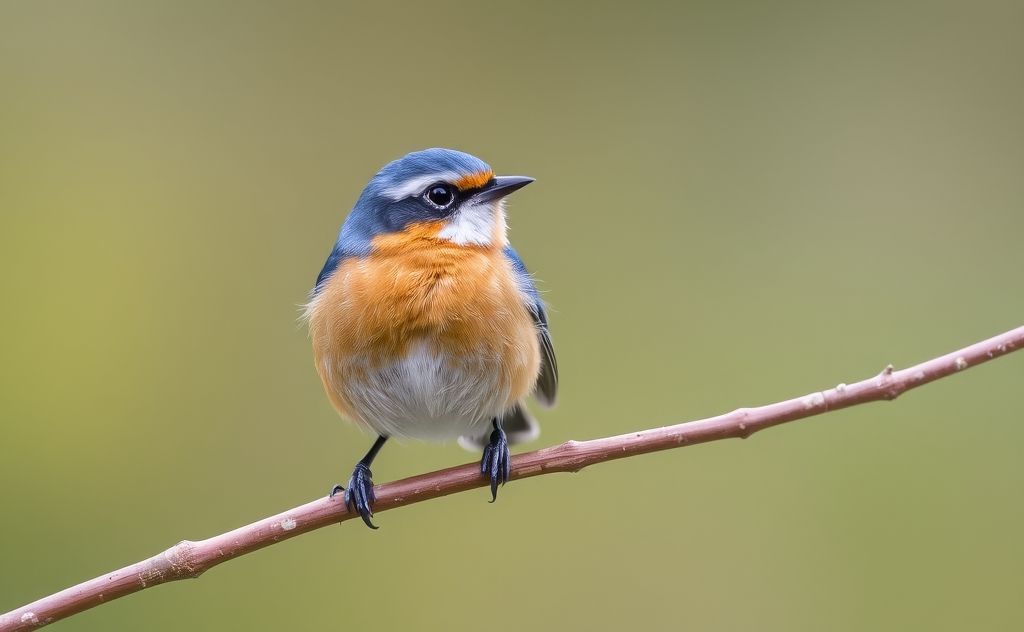
Meet the Blue and Orange Small Bird Club
Several species sport this striking color combination. Here are the top contenders:
- Verdin: Tiny desert bird with blue-gray body and yellow-orange head
- Western Bluebird: Royal blue upperparts with rusty orange chest
- Eastern Bluebird: Similar to Western but with deeper orange extending to throat
- Lazuli Bunting: Brilliant blue head with orange breast in males
Verdin: The Desert Jewel
This 4.5-inch songbird thrives in arid regions. Key features:
| Feature | Description |
|---|---|
| Size | 4.3-4.7 inches |
| Colors | Blue-gray body, yellow-orange head |
| Habitat | Southwestern deserts |
| Diet | Insects, spiders, nectar |
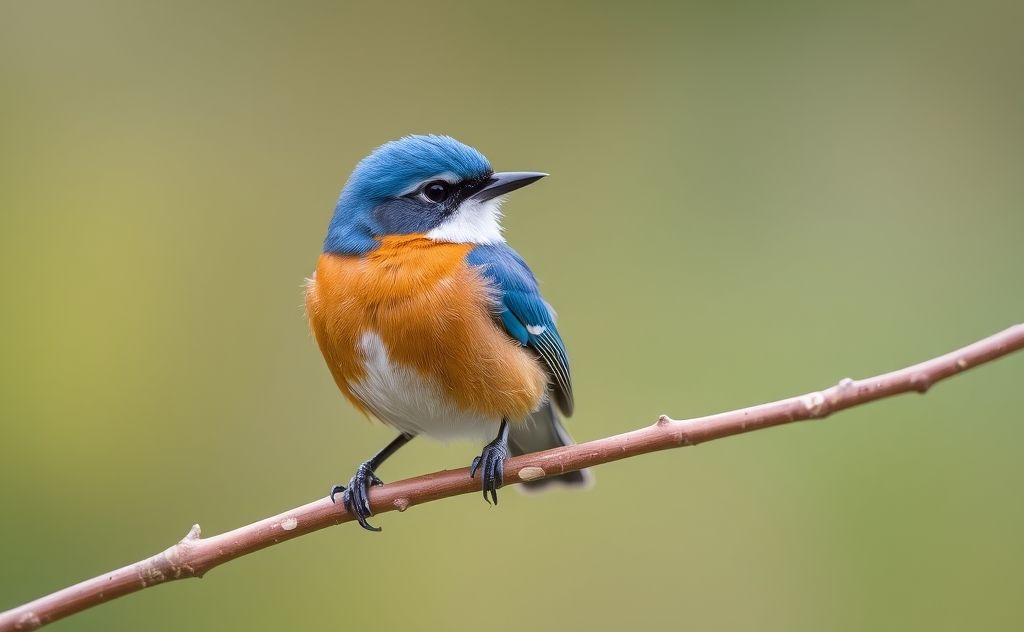
Bluebird Beauties: Eastern vs Western
These thrush relatives offer perfect examples of blue and orange coloration:
Eastern Bluebird Identification
Spot them by these characteristics:
- Males: Vivid blue back with rusty orange throat/chest
- Females: Grayer with subtle blue tinges
- Habitat: Open woodlands, fields with scattered trees
- Behavior: Often perches low while hunting insects
Western Bluebird Differences
Subtle variations set them apart:
- Blue throat patch (gray in females)
- Orange extends onto upper back
- Prefers more open, drier habitats
- Common in mountainous regions
Attracting These Colorful Visitors
Bring blue and orange birds to your yard with these proven tips:
Food Preferences
Offer their favorite meals:
| Species | Preferred Foods |
|---|---|
| Bluebirds | Mealworms, berries, suet |
| Verdin | Nectar, small insects |
| Buntings | White millet, sunflower chips |
Nesting Strategies
Help them raise their young:
- Install properly constructed birdhouses with 1.5″ entrance holes
- Place boxes 5-10 feet high facing open areas
- Provide nesting materials like pine needles
Birdwatching Equipment Essentials
Enhance your viewing experience with the right gear:
Optimal Binoculars
For small birds, consider:
- 8×42 magnification for bright, wide views
- Compact models like these recommended small binoculars
- Waterproof construction for all-weather use
Photography Tips
Capture their vibrant colors:
- Use fast shutter speeds (1/1000s+)
- Shoot in morning light for warm tones
- Position yourself near fruiting trees
Conservation Status
These species face various challenges:
- Bluebirds: Rebounding thanks to nest box programs
- Verdin: Stable but sensitive to habitat loss
- Buntings: Declining due to pesticide use
Participate in citizen science projects to help track populations. Your observations contribute to vital conservation research.
Related pick: Check today's price on Amazon