Red Avadavat Finches: Nature’s Dazzling Dancers & Singers
Contents
You hear it before you see it. A soft, tinkling trill that sounds like tiny bells being shaken. Then you spot a flash of crimson as a small bird bounces through the grass. That’s the Red Avadavat, often called the Strawberry Finch for its bright breeding colors. Many bird lovers first meet these birds at a breeder’s aviary and instantly want a pair of their own.
This guide walks through what makes these finches special and how to care for them properly. You’ll learn about their dramatic seasonal color change, the exact diet they need to thrive, and the housing setup that keeps them active and singing. We’ll also cover common health concerns and breeding tips. By the end, you’ll know whether these dazzling little dancers fit your bird-keeping style.
If you’re setting up a new aviary, a reliable bird feeder guide can help you choose the right feeding stations that work for small finches like Avadavats.
The Chameleon Finch: A Seasonal Transformation
The Red Avadavat is a small finch, measuring about 10 centimeters (4 inches) from beak to tail. They weigh around 10 grams. In the wild, they live in tall grasslands across South Asia, from Pakistan to Indonesia. But the most fascinating thing about them isn’t their size or origin. It’s their wardrobe.
For most of the year, both males and females look similar. They have brownish-grey bodies with white spots, like a speckled sparrow. The tail is black, and the beak is a bright coral red. They are pretty birds, but not flashy.
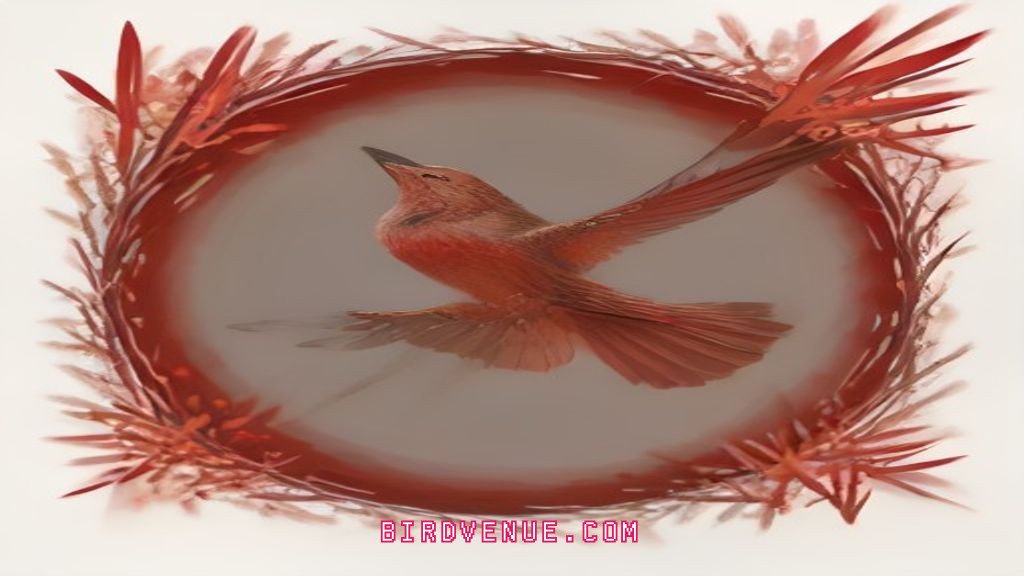
Then comes the breeding season. Something remarkable happens. The male molts and grows a completely new set of feathers. His head, chest, and back turn a deep, glossy crimson red. The white spots become more defined, almost like polka dots. The belly turns black. This transformation is triggered by day length and temperature changes, which signal the start of the monsoon rains in their natural habitat.
This color change is not just for looks. It signals to females that he is healthy and ready to mate. A dull male is often ignored by females. The brighter the red, the better his chances. In captivity, you can encourage this molt by adjusting the light cycle and providing a high-protein diet during the pre-breeding period.
Housing: Space to Dance and Sing
Red Avadavats are active birds. They love to hop, fly short bursts, and chase each other through foliage. A small cage designed for canaries will not make them happy. They need space to move.
A flight aviary is ideal. For a pair, a cage that is at least 36 inches long, 18 inches wide, and 24 inches tall is the minimum. Bigger is always better. These birds are not climbers; they are flyers. They need horizontal space to glide from perch to perch.
Dense planting is crucial. Avadavats feel secure when they have places to hide. Use live or artificial plants like ferns, bamboo, or dense grasses. This encourages them to explore and reduces stress. A stressed Avadavat will sit on a perch, fluffed up, and refuse to sing.
Perches should be varied in thickness and texture. Natural branches are best because they exercise the bird’s feet. Avoid using sandpaper perch covers; they can cause foot sores. Place perches at different heights to create a tiered environment. This mimics their natural grassland habitat and gives them a sense of security.
Temperature is a consideration. These finches are tropical but hardy. They can tolerate temperatures down to about 10°C (50°F) if they are acclimated gradually. However, they do best in warmer conditions around 20-25°C (68-77°F). If you live in a cold climate, keep them indoors during winter or provide a heated aviary. Sudden temperature drops can kill them.
For detailed setup advice on outdoor housing, check this outdoor aviary care guide. It covers specifics on shelter and predator protection.
Diet: The Fuel for Color and Song
Diet is where many new owners stumble. Red Avadavats are primarily seed eaters, but they need more than just a simple seed mix. Their diet directly impacts their health, feather condition, and willingness to breed.
The base of their diet should be a high-quality millet mix. This includes white millet, red millet, and canary grass seed. You can buy a premixed finch blend from most pet stores. But don’t stop there.
Green food is essential. In the wild, they eat a lot of sprouting seeds and soft grasses. You should offer fresh greens daily. Spinach, lettuce, chickweed, and dandelion leaves work well. Wash them thoroughly to remove pesticides. Chop them finely so the birds can eat them easily.
Live food is another piece of the puzzle. During the breeding season, Avadavats become insectivorous. They need small insects to feed their chicks. Offer mealworms, but chop them up if they are too large. Fruit flies and small crickets are also excellent options. You can buy these from reptile supply stores.
Egg food is a commercial product made from dried eggs and breadcrumbs. It is high in protein and perfect for breeding birds. Offer it daily during the breeding season and a few times a week otherwise. This helps maintain body condition and promotes feather growth during the molt.
Do not forget clean water. Provide fresh water daily. A shallow dish for bathing is also necessary. These finches love to bathe, and it keeps their feathers in top condition. A clean bird is a singing bird.
One mistake to avoid: feeding only a cheap seed mix with no supplements. This leads to vitamin deficiencies, poor feather quality, and a dull song. You get what you pay for in bird food. For more specifics on feeding, review this finch food selection article to build a balanced plan.
Song and Behavior: The Dazzling Dancers
The Red Avadavat’s song is not loud or complex like a canary’s. It is a soft, tinkling series of notes that sounds like a tiny music box. The male sings to attract a mate and to announce his territory. The song is more of a gentle background melody than a performance.
The dancing is the real spectacle. During courtship, the male holds a piece of grass in his beak. He then bobs up and down, puffing out his chest feathers to show off the red. He hops from perch to perch, making a soft buzzing sound. It looks like he is bowing repeatedly. This display is charming and entertaining to watch.
These birds are social. They do well in small groups if you have a large aviary. But pairs bond strongly. A bonded pair will preen each other and sit close together. If you house multiple pairs, provide plenty of nesting sites to avoid fighting.
They are generally peaceful with other finch species. They can be kept with other small, non-aggressive finches like zebra finches or society finches. Avoid housing them with larger, pushier birds like parrot finches or mannikins, which can bully them and stress them out.
One behavioral quirk: they are shy. They will not come to your hand or interact with you like a parrot. They are best appreciated from a distance. Spend time watching them, and you will see their personalities emerge. They are curious and will investigate new plants or toys placed in their aviary.
Breeding: Patience Pays Off
Breeding Red Avadavats is rewarding but requires attention to detail. They are not the easiest finches to breed, but they are far from the hardest.
First, you need a true pair. Males have the red breeding plumage. Females stay brownish-grey year-round. The female’s beak is also slightly smaller and less bright than the male’s. If you buy young birds, it can be hard to sex them until the male molts into color.
Condition your birds for breeding. This means gradually increasing the amount of live food and egg food over several weeks. Also, increase the daylight hours artificially to about 14 hours per day. This mimics the long summer days and triggers the breeding cycle.
Provide a nesting site. Use an open nest basket or a closed wooden nest box. They prefer a covered area. Offer nesting material like coconut fiber, dry grass, and soft feathers. The female will build a messy, dome-shaped nest.
The female lays 4 to 6 small white eggs. She incubates them for about 12 to 14 days. The male will feed her during this time. The chicks hatch blind and naked. Both parents feed them, but the live food becomes critical now. Without insects or egg food, the chicks will not survive.
The chicks fledge (leave the nest) at about 3 weeks old. They are independent a few weeks after that. Leave them with the parents for a while, as the parents will often start a second clutch quickly. This is normal but can be exhausting for the female. Remove the nest box after the first clutch to give her a break if you want a rest period.
There is one major challenge: the male might lose his brilliant red color during the breeding season if the diet is inadequate. This is a sign of poor nutrition. The red color is derived from pigments in the food, so a diet lacking in certain carotenoids will result in a dull orange or even brown male. Feed a varied diet with plenty of greens and high-quality egg food to keep the color vivid.
Comparing Avadavat Housing Options
Choosing where to house your finches depends on your space and climate. Here is a comparison to help you decide.
| Option | Best For | Pros | Cons |
|---|---|---|---|
| Indoor Cage | Apartment dwellers, cold climates | Temperature control, easy to observe, safe from predators | Requires more cleaning, limited space for flight |
| Outdoor Aviary | Homes with backyard space, temperate climates | Natural sunlight, more flying room, better breeding results | Exposed to weather, risk of predators, need winter heating |
| Mixed Flight (Community) | Experienced keepers with large aviaries | Social stimulation, natural behavior, less boredom | Risk of aggression, harder to monitor individual health, disease spread |
The outdoor aviary generally produces healthier, more colorful birds because of natural sunlight and space. But you must be prepared for the extra work of weatherproofing and predator-proofing.
Common Health Issues to Watch For
Avadavats are hardy, but they have a few weak points.
Air sac mites are a common problem. These microscopic mites live in the bird’s respiratory system. Symptoms include open-mouth breathing, tail bobbing, and a clicking sound when breathing. This is treatable with ivermectin, but you need a vet’s diagnosis.
Feather plucking is another issue. This is usually a sign of stress or boredom. Check for overcrowding, lack of bathing water, or a poor diet. Fix the environment, and the plucking often stops.
Egg binding is a risk for females. This happens when an egg gets stuck in the reproductive tract. It is often caused by a lack of calcium or cold temperatures. Ensure your birds have access to cuttlebone and a mineral supplement. Keep the temperature stable.
Obesity can occur if you feed too many fatty seeds like sunflower or niger. These birds are small and need a lean diet. Stick to millets and limit high-fat seeds to treats.
If you notice a bird sitting fluffed up at the bottom of the cage, it is likely seriously ill. Isolate it immediately and seek avian veterinary care. Do not wait; small birds deteriorate quickly.
Frequently Asked Questions
How long do Red Avadavat finches live?
With good care, they can live 5 to 8 years in captivity. Some have reached 10 years. Diet and housing quality are the biggest factors. A bird kept in a stressful environment will not live as long.
Do Red Avadavats need a companion?
Yes, they are highly social birds. Keeping a single Avadavat is cruel. They will become depressed and stop singing. You should keep at least a pair. If you have a large aviary, a small group is even better for their mental health.
Why is my male Avadavat losing his red color?
This is almost always a nutrition issue. The red color comes from pigments called carotenoids found in green plants and some seeds. If the diet lacks these, the new feathers grow in dull or brown. Increase the amount of fresh greens, sprouted seeds, and high-quality egg food. The color will return at the next molt.
Can I keep Red Avadavats with other finches?
Yes, they are peaceful. They do well with other small, gentle species like zebra finches, society finches, and cordon bleus. Avoid large, aggressive finches that might bully them. Always watch for signs of stress when introducing new birds.
Are Red Avadavats good for beginners?
They are a middle-ground bird. They are not as fragile as some waxbills, but they are more demanding than zebra finches. The main challenge is the diet. If you are willing to prepare fresh greens and offer live food, you can succeed. If you want a bird that thrives on seeds alone, pick a different species.
What You Should Remember
- Expect the male to change color dramatically during breeding season. This is normal and a sign of health.
- Provide a large flight cage or aviary, not a small canary cage.
- Diet must include millet, fresh greens, and occasional live food for breeding.
- They are social. Never keep a single bird alone.
- Watch for air sac mites and feather plucking as common health issues.
- Breeding requires a protein boost and a proper nest box.
- Enjoy them as watch-only pets. They are not hand-tame birds, and that is okay.
Red Avadavat finches bring a splash of living color and a gentle soundtrack to any bird room. They demand a bit more effort than the average finch, but the reward is watching a tiny crimson dancer perform its courtship display in your own aviary. That moment makes all the mealworm chopping worth it.