
How much food a full grown chicken needs to eat every day
By Erick Published 7 min read
As an Amazon Associate I earn from qualifying purchases. That costs you nothing and does not decide what gets recommended. We also earn a commission from some links to partner brands (POPOSOAP, Kiwibit Inc.).
On this page (8 sections)
- The short version
- Typical daily feed amount by weight or volume
- Factors affecting feed quantity like breed size and purpose
- Signs of underfeeding or overfeeding chickens
- How to measure and provide the right amount of feed
- What happens if a chicken eats too little or too much
- How much full grown chicken need to eat every day
- Questions people still ask
In short: How much full grown chicken need to eat every day varies by breed, purpose, and environment. Generally, a mature laying hen consumes about 0.25 to 0.33 pounds (113-150g) of feed daily, according to data from the University of Arkansas Division of Agriculture. Meat birds eat more due to faster growth rates. Feed intake rises in cold weather, sometimes by 10-20%, as birds burn energy to stay warm. Hot conditions reduce appetite. Adjust feed for these factors and production stage to keep chickens healthy without waste.
Part of our guide on containment solutions for chickens
Precise daily feed amounts for full grown chickens vary with breed and purpose but are easily measured by weight for best health and cost control.
| Typical feed intake | 0.25-0.33 lb/day |
|---|---|
| Feed in grams | 113-150 g/day |
| Effect of breed size | Larger breeds eat more |
| Production influence | Laying hens require more |
| Feed measurement tool | Food scale |
The short version
- A mature chicken consumes around 0.25-0.33 pounds of feed daily.
- Breed size and egg production affect exact food needs significantly.
- Watch chicken behavior for signs of underfeeding or overfeeding.
- Measure feed by weight or volume to provide consistent daily portions.
- Feed too little reduces health; too much wastes money and risks obesity.
Typical daily feed amount by weight or volume
How much full grown chicken need to eat every day depends on breed, purpose, and environment. A mature laying hen generally eats about 0.25 to 0.33 pounds (113-150g) of feed daily. This range comes from the University of Arkansas Division of Agriculture's poultry nutrition guidelines. Meat-type chickens require more feed to support rapid growth, often 0.33 to 0.5 pounds per day depending on age and breed.
Feed intake changes with temperature. In cold weather, chickens may consume 10 to 20 percent more feed to maintain body heat. High temperatures reduce feed consumption, so birds eat less during heat waves. These environmental effects require adjusting feed amounts to avoid underfeeding or waste.
Production stage also affects how much a chicken needs. Pullets consume less feed before maturity. Layers need consistent feeding to sustain egg production, while broilers require increased feed as they grow quickly. Monitor your flock’s condition and adjust feed accordingly to match their changing needs.
Factors affecting feed quantity like breed size and purpose
Picture a bantam hen versus a large meat breed. The bantam needs less feed, often under 0.25 pounds daily, while heavy breeds can eat above 0.33 pounds due to their larger body mass. We go through optimal feed for egg production step by step elsewhere on the site.
Egg production demands extra nutrients. A hen laying daily requires more energy and protein than a non-laying bird. Expect laying hens to need about 10-20% more feed than non-layers.
Activity level matters too. Free-ranging chickens burn more calories and may eat more. Conversely, sedentary birds in small runs eat less. Feed adjustments should reflect this balance.
Nutrition needs vary within the same breed depending on the chicken’s stage of life. A hen in peak laying phase may eat up to 0.35 pounds daily, while the same hen in molt phase needs less feed, closer to 0.25 pounds. Producers often tweak rations by season: chickens eat more in cold weather to maintain body heat and less when it’s hot. We go through can silkie chickens eat potato chips step by step elsewhere on the site.
Purpose affects feed beyond egg laying or meat production. Breeders or show birds need carefully balanced diets to promote feather quality and muscle tone rather than weight gain. For example, a show bird might consume 0.28 pounds daily with supplements for feather growth, less than a meat bird’s 0.33 pounds focused on rapid muscle development.
- Breed size – bantams eat less, large breeds more
- Purpose – laying hens need extra feed for eggs
- Activity – roaming birds consume more calories
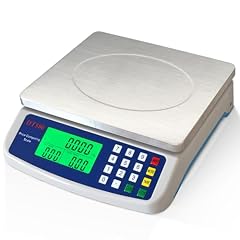
Large Digital Kitchen Scale 40kg/88lb Stainless Steel Price Computing Scale
Helps measure feed portions accurately with 1 g increments, ensuring precise daily feed amounts for your chickens.
Signs of underfeeding or overfeeding chickens
Imagine noticing your chickens turning pale with fewer eggs. These are common signs of underfeeding. They may become lethargic, lose weight, or develop poor feather quality.
Overfeeding leads to waste and obesity. A chicken that eats nonstop, stores excess fat, or shows swollen bodies signals too much food. Overweight hens also lay fewer eggs and face health risks. People in this spot often ask about feeding chickens in minecraft as well.
Watch chicken behavior closely. Constant begging or pecking at feeders suggests hunger. A calm flock leaving feed untouched usually indicates sufficient rationing.
Another sign of underfeeding is increased pecking at the ground or scratching more than usual. Chickens are trying to find extra food to compensate. This behavior can lead to damage to your yard or garden. Overfeeding leads to feed piles that attract pests like rats or mold growth if left uneaten.
Check the bird’s weight monthly. A healthy full grown hen should weigh within the breed standard range. Sudden weight loss or gain is a red flag. Also, monitor egg shell quality and frequency. Thin or soft shells can indicate nutrient deficiencies, often from underfeeding or imbalanced feed. It helps to understand what chickens eat in Valheim before going further.
How to measure and provide the right amount of feed
You need a good kitchen scale to measure feed by weight. Scooping randomly wastes feed and invites guesswork. Weigh out feed daily per bird for best results.
Start with about 0.3 pounds (136 grams) per full grown chicken per day. Adjust after a week based on flock condition and leftover feed. If they finish all feed and show hunger signs, increase slightly.
To avoid spoilage, offer feed twice daily in smaller amounts rather than dumping a day's portion all at once. This maintains freshness and reduces waste.
- Weigh feed portion per bird using a food scale.
- Provide measured feed in feeders or dishes.
- Observe leftovers and bird condition for adjustment.
- Repeat measurement daily to maintain consistency.
What happens if a chicken eats too little or too much
Feeding below 0.25 pounds daily risks malnutrition. Chickens lose condition, stop laying, and become vulnerable to illness. Long term underfeeding may stunt growth or reduce lifespan.
Feeding above 0.33 pounds daily without increased activity or production wastes money and causes obesity. Fat hens have difficulty walking and reduced egg output.
Balanced feeding respects the chicken's needs based on size and purpose. Regular checks prevent these extremes. Adjust feed rather than guessing.
How much full grown chicken need to eat every day
To answer precisely: a full grown chicken needs about 0.25 to 0.33 pounds (113-150 grams) of feed daily. This is the dry feed amount under normal conditions: moderate climate, average activity, balanced diet.
Adjust this baseline for your flock by considering breed, whether hens are laying eggs, and activity level. For example, an active layer breed might need 0.33 pounds, while a non-laying bantam needs closer to 0.25 pounds.
Measure daily feed portions by weight with a food scale and observe your birds. Make small weekly adjustments until they maintain ideal weight and production.
For example, a Rhode Island Red laying hen typically eats about 0.3 pounds daily. If she lays one egg per day, she converts roughly 10% of her feed into egg mass, the rest supports body maintenance and activity. If she stops laying, reduce feed by 10-15% to avoid weight gain.
If you have bantams, expect them to eat less (around 0.2 pounds daily) but they still need dense nutrition. Conversely, Cornish Cross meat birds can eat up to 0.4 pounds daily during rapid growth phases. Adjust feed every few weeks to match the bird’s changing needs.
Questions people still ask
Can chickens survive on less feed than typical daily amounts?
Chickens can survive on less but will show poor health, fewer eggs, and slower growth. Feeding below 0.25 pounds daily long-term is not recommended for full grown birds.
What feed type is best for daily feeding amounts?
Balanced layer pellets or crumbles are best. They provide the right protein, calcium, and nutrients for maintenance and egg production when given in correct daily amounts.
How often should I adjust chicken feed amounts?
Check feed leftovers and bird condition weekly. Adjust by small increments if birds appear hungry or overweight. Seasonal changes in temperature also affect intake needs.
Can free-range chickens eat less commercial feed?
Yes, free-range birds find additional food outside and may eat less commercial feed. Still, provide measured feed daily to guarantee nutrition.
Is it okay to feed chickens once a day instead of twice?
Feeding once daily can work but risks spoilage and uneven intake. Splitting feed into two portions maintains freshness and lets you observe birds’ eating habits.