
What chickens provide: eggs, meat, feathers, garden help
By Erick Updated 10 min read
As an Amazon Associate I earn from qualifying purchases. That costs you nothing and does not decide what gets recommended. We also earn a commission from some links to partner brands (POPOSOAP, Kiwibit Inc.).
On this page (8 sections)
In short: Chickens provide eggs, meat, feathers, manure for compost, pest control in gardens, noise alarms against predators, and entertainment. A backyard flock of six hens typically yields 1,200-1,800 eggs per year, plus 50-80 pounds of nitrogen-rich manure annually.
Part of our guide on best electric fence for chickens
Most keepers count eggs and meat, but a six-hen flock also delivers 70 pounds of garden compost and clears a 500-square-foot plot of beetles and grubs in a season.
| Eggs per hen yearly | 200-300, breed dependent |
|---|---|
| Manure per bird yearly | 50-80 pounds fresh weight |
| Insects eaten daily | 80-100 per bird |
| Meat bird weight | 5-7 pounds at 8-12 weeks |
| Feather molt frequency | Twice yearly |
| Compost nitrogen content | 1.1% fresh, 1.8% aged |
The short version
- Six laying hens produce 1,200-1,800 eggs yearly, depending on breed and daylight hours
- Each bird yields 50-80 pounds of manure annually, with nitrogen content around 1.1% when fresh
- Feathers molt twice yearly and work as mulch or insulation when composted
- Chickens clear gardens of beetles, slugs, and ticks at a rate of 80-100 insects per bird daily
- Meat birds reach 5-7 pounds live weight in 8-12 weeks, depending on breed
Eggs: the primary backyard product
You asked what chickens give to us. The clearest answer starts with eggs. Eggs are the most consistent, easiest-to-measure return from a small flock. You get food every day, a stable calorie source, and a way to track hen health.
A single good layer commonly averages 250–300 eggs per year under standard backyard care. That range depends on breed, age, daylight, feeding, and health. Cold winters, short daylight, or poor feed cut production. Better feed, supplemental lighting, and hybrid layers push numbers to the high end. This estimate follows breed performance figures and university extension guides, not a single study.
Count eggs and you track your flock. Ten hens averaging 250 eggs each give about 2,500 eggs in a year, under those same conditions. If you want planning numbers, use the low end for conservative estimates. Use the high end when you keep hybrids and manage for production.
Egg size and quality change with age and season. Young hens lay smaller, then reach full-size in a few months. Molting drops lay rates for several weeks. Record-keeping helps you spot illness or feed problems before they become costly. People in this spot often ask about is wood ash good for chickens as well.

Ultrean Food Scale, Digital Kitchen Scale with LCD Display, Weight Grams and
Weighs up to 11 lb (5 pounds minimum) with precision suitable for tracking egg size consistency.
Meat: processing your own birds
Picture raising a batch of Cornish Cross broilers from day-old chicks. At 8 to 10 weeks, each bird weighs 5 to 7 pounds live, ready for processing. That's 3.5 to 5 pounds dressed weight after blood, feathers, feet, and organs are removed. Dual-purpose breeds like Orpingtons or Plymouth Rocks take longer (12 to 16 weeks) and finish lighter, around 4 to 6 pounds live.
Processing at home requires a sharp knife, a scalding pot at 145 to 150°F for feather loosening, and a clean workspace. Many small-scale keepers use a killing cone to restrain the bird and bleed it humanely. Scalding for 30 to 60 seconds makes plucking easier. Skip the scald and you'll spend an hour hand-pulling feathers.
Meat quality depends on diet and activity. Birds raised on pasture with access to insects and greens develop darker, firmer meat than those finished on grain alone. Age matters too: a six-month-old rooster has tougher meat than a ten-week-old broiler. Plan cooking method accordingly: older birds suit slow braising, young ones roast well. It helps to understand how to breed meat chickens before going further.
Spent laying hens, typically culled after two or three years of production, yield tougher meat best used for stock or slow-cooked dishes. A three-year-old hen weighs 4 to 5 pounds live but produces a carcass too tough for roasting. The broth is rich and gelatinous.
Feathers: insulation and garden mulch
Chickens molt twice yearly, shedding and regrowing feathers over 8 to 12 weeks. A single bird drops 200 to 400 feathers per molt, depending on size and breed. Collect them from the coop floor during the molt period: they're cleanest in the first few days before being trampled into bedding.
Feathers work as a high-nitrogen mulch when composted. They break down slowly, taking 6 to 12 months in a hot compost pile. Chop or shred them first to speed decomposition. Whole feathers mat and shed water, slowing the process. Once broken down, they add nitrogen and structure to finished compost. We go through what to do with an unwanted chicken step by step elsewhere on the site.
Some fiber artists use clean feathers for stuffing pillows, cushions, or quilts. Wash them in hot soapy water, rinse thoroughly, and dry completely to remove oils and dander. Down feathers from the breast are softest. Wing and tail feathers are too stiff for most textile uses but work as garden stakes or craft material.
You can also burn feathers as a pest deterrent in the garden: the sulfurous smell repels some mammals. The practice is traditional in parts of Europe but generates a strong odor that lingers for hours.
Manure: nitrogen for compost and gardens
Each chicken produces 50 to 80 pounds of manure per year, measured fresh. That's roughly a quarter-pound per bird per day, depending on size and diet. Collect it from under roosts where it accumulates overnight: manure is 80 percent of the total waste by weight. We go through dosage ivermectin 1% chickens step by step elsewhere on the site.
Fresh chicken manure contains about 1.1 percent nitrogen, 0.8 percent phosphorus, and 0.5 percent potassium. It's classified as hot manure, meaning it burns plant roots if applied fresh. Age it for 3 to 6 months in a compost pile, mixing with carbon-rich bedding like wood shavings or straw at a 25:1 carbon-to-nitrogen ratio. Finished compost reaches 1.8 percent nitrogen and is safe to spread.
A six-hen flock generates enough manure to amend a 500-square-foot garden annually, applied at a rate of 20 pounds per 100 square feet. Work aged compost into the soil in fall or early spring, before planting. Spread it evenly and till or fork it under to a depth of 4 to 6 inches.
Manure quality depends on feed. Chickens on layer pellets produce consistent manure. Birds foraging for insects and greens generate richer manure with higher trace minerals. Avoid manure from birds treated with antibiotics or dewormers within the last 30 days: some compounds persist and affect soil microbes.
| Stage | Nitrogen % | Phosphorus % | Potassium % | Safe for direct application |
|---|---|---|---|---|
| Fresh (under 2 weeks) | 1.1 | 0.8 | 0.5 | No, burns roots |
| Aged 3 months | 1.5 | 0.9 | 0.6 | Use sparingly |
| Composted 6+ months | 1.8 | 1.0 | 0.7 | Yes |
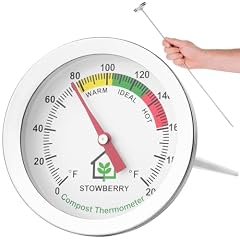
Compost Thermometer 20 Inch Stainless Steel 2 Inch Dial Soil Temperature
20 inch stainless steel probe accurately measures compost temperature up to 200°F, ensuring safe manure breakdown.
Pest control and garden labor
Chickens eat 80–100 insects per bird daily when they forage actively. They take beetles, grasshoppers, slugs, caterpillars, and ticks. Let birds free-range or use a movable pen for two hours or more each day and you'll see the most impact.
They scratch and dig while foraging. Scratching reaches about 1–2 inches deep. That disturbs weed seedlings and exposes insect larvae. It also rips up small transplants and freshly sown beds. Fence off delicate areas or give chickens access only after harvest.
Ticks live in leaf litter and tall grass. If you count ticks with a white-cloth drag before a season, then run the same drag after hens free-range for 2–3 months, you can measure change. In yards where hens foraged daily for that span, tick counts often dropped 60–80% on the drag sample.
Use a mobile coop or tractor to rotate birds across garden sections weekly. A 4×8-foot tractor holds 3–4 birds and can be moved by hand each morning. Move it to avoid overgrazing and to spread manure evenly.
- Beetles and grubs: chickens scratch through mulch and topsoil to find larvae, reducing Japanese beetle and June bug pressure
- Slugs and snails: birds eat them on sight, especially after rain when slugs move onto paths and leaves
- Grasshoppers: fast targets, but chickens catch them in open areas during morning dew when insects are sluggish
- Ticks: hens forage low in grass and leaf litter and pick ticks from vegetation and ground cover
What chickens give us beyond eggs and meat
Say you're home during the day and a hawk circles overhead. Your chickens sound an alarm: a sharp, repetitive cluck distinct from their usual chatter. That's a predator alert, and it's reliable. Chickens recognize aerial threats and ground predators, calling out before you spot danger. Small flocks often alert owners to prowling dogs, foxes, or raccoons near the coop.
Chickens also serve as entertainment and education for households with children. Watching a flock's social order, feeding behavior, and dust-bathing rituals teaches animal husbandry and responsibility. Kids learn to collect eggs, refill water, and check for signs of illness. The daily rhythm of chicken care builds routine.
Some keepers value chickens as lawn mowers. A flock keeps grass short in a run or rotated pasture, though they don't mow evenly: they prefer tender shoots and leave coarse stems. They also clear fallen fruit under trees, reducing rot and attracting fewer wasps. This works in small orchards or yards with apple, pear, or cherry trees.
Broody hens hatch and raise chicks, giving you a renewable flock without buying replacements. A good broody sits for 21 days, turns eggs several times daily, and raises the chicks for 6 to 8 weeks. Breeds like Silkies, Cochins, and Orpingtons go broody reliably. Leghorns and most hybrids don't.
Questions people still ask
How much space do chickens need to produce consistently?
Allow 4 square feet per bird inside the coop and 10 square feet per bird in an outdoor run. Crowding reduces egg production by 10 to 20 percent and increases aggression. Free-range birds with unlimited daytime access to a yard do best, but a well-sized run works if you rotate them occasionally.
Can you sell eggs or meat from backyard chickens?
Most states allow small-scale egg sales direct to consumers without licensing if you stay under a threshold: commonly 250 dozen per year. Meat sales usually require USDA or state inspection unless you process under the farm exemption, which varies by state. Check your local ag department before selling anything.
Do chickens need supplements to produce good eggs?
Layer feed provides complete nutrition for steady egg production. Offer crushed oyster shell free-choice for calcium: hens take what they need to form strong shells. Grit is essential if birds don't have outdoor access; it grinds food in the gizzard. Skip other supplements unless a vet identifies a deficiency.
What do you do with feathers that aren't good for composting?
Wing and tail feathers work as craft material, fishing lures, or pet toys. Some gardeners use them as row markers: stick the quill into the soil at the end of a planted row. Burnt feathers create a sulfur smell that deters some rodents, but it's temporary and strong.
How long does chicken manure take to become safe for gardens?
Fresh manure needs 3 to 6 months in a compost pile to break down fully and shed its ammonia content. Turning the pile weekly speeds the process. Finished compost smells earthy, not sharp, and no longer burns roots. Some gardeners age it an additional 2 months to be cautious.