
What is the red hanging thing on a chicken’s head and why does it matter
By Erick Updated 12 min read
As an Amazon Associate I earn from qualifying purchases. That costs you nothing and does not decide what gets recommended. We also earn a commission from some links to partner brands (POPOSOAP, Kiwibit Inc.).
On this page (8 sections)
- The short version
- What the red hanging thing on a chicken is called
- Why chickens have a comb and wattles
- How to tell if your chicken's comb and wattles are healthy
- When comb and wattle problems show up and what they mean
- How breed and age change comb appearance
- What to do when you spot a comb problem
- Questions people still ask
In short: The red hanging thing on a chicken's head is called the comb (on top of the skull) and the wattles (the fleshy lobes hanging below the beak). They regulate body temperature, signal health and sexual maturity, and help chickens recognize each other.
Part of our guide on containment solutions for chickens
That red dangly flesh is working equipment, not decoration, and its color tells you whether your bird is thriving or struggling.
| Part names | Comb (top), wattles (below beak) |
|---|---|
| Primary function | Heat regulation and signaling |
| Healthy color | Bright red, firm texture |
| Frostbite risk | Below 20°F, especially large combs |
| Color change timing | 16-24 weeks in pullets |
| Comb types | 9 recognized varieties by breed |
The short version
- The comb sits on top of the head; wattles hang below the beak and chin
- Bright red means good circulation and health; pale or purple signals trouble
- They dump heat in summer and can suffer frostbite in winter below 20°F
- Comb size and color peak when hens start laying and roosters reach breeding age
- Drooping, blackened tips, or sudden color change requires immediate attention
What the red hanging thing on a chicken is called
The red structures on a chicken's head have two names depending on where they sit. The comb is the fleshy crest on top of the skull, usually serrated or wavy. The wattles are the paired lobes that dangle below the beak and under the chin. Both are made of soft tissue rich in blood vessels and covered in thin skin.
Roosters grow larger combs and wattles than hens, often two to three times the size by maturity. The difference shows up around 12 weeks and becomes obvious by 20 weeks. Hens develop smaller, neater versions that still turn bright red when they start laying.
Comb shape varies by breed. A single comb has a row of points running front to back. A rose comb sits low and flat with a spike at the rear. A pea comb has three small ridges. Wattles are always paired lobes, though size ranges from tiny nubs on some hens to long flaps on Mediterranean breeds like Leghorns.
You'll see the comb and wattles grow and redden as chicks mature. Pullets that are weeks away from laying show pale pink combs. Once they hit 16 to 24 weeks, the comb swells and turns vivid red within days. That color shift signals the start of egg production and stays as long as the hen is healthy and in lay. For the detail, see our notes on signs of heat stress in chickens.
Why chickens have a comb and wattles
Chickens can't sweat. They dump excess body heat through their combs and wattles instead. Blood flows close to the surface in those tissues, releasing warmth into the air the way a car radiator does. On a hot day, a chicken's comb feels noticeably warmer than the rest of its body.
The larger the comb, the more heat a bird can shed. Breeds developed in hot climates, like Leghorns and Minorcas, carry oversized combs. Cold-climate breeds such as Chanteclers and Buckeyes have small pea combs or cushion combs that resist frostbite. A big single comb on a rooster can lose 30 to 40 percent more heat than a pea comb of the same bird's weight.
Comb and wattle color also signals health and breeding condition to other chickens. A rooster with a vivid red comb ranks higher in flock order. Hens prefer mating with males whose combs are large and deeply colored, reading that as a sign of good genetics and parasite resistance. Pale combs in a rooster drop his status and mating success within days. We go through distinguishing wild birds from domestic step by step elsewhere on the site.
These structures help chickens recognize individuals and species. Turkeys have different head furnishings; guinea fowl have none. A chicken identifies another chicken partly by the presence of a comb. Flock members also read comb posture and color to assess whether a bird is sick, stressed, or ready to fight.
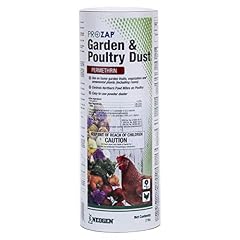
Prozap 1499540 Garden & Poultry Dust For Insects
Treats mites and lice on chickens with 0.25% permethrin concentration, meeting the minimum requirement for poultry dust.
How to tell if your chicken's comb and wattles are healthy
A healthy comb is bright red, firm to the touch, and stands upright (or follows the breed's normal shape). The skin should be smooth without scabs, swelling, or discharge. Wattles should match the comb in color and show no lumps or asymmetry. Both parts feel warm but not hot, and the bird doesn't flinch when you touch them.
Pale pink or white combs signal anemia, often from mites, lice, or internal parasites. Chickens with heavy worm loads lose blood and their combs fade to flesh tone within a week. A sudden color loss accompanied by lethargy and weight loss points to parasites. Deworming usually restores color in five to seven days if caught early. For the detail, see our notes on food for rhode island chicken.
Purple or blue combs mean poor circulation or oxygen shortage. Frostbite turns comb tips purple, then black as tissue dies. Respiratory illness can also cause cyanosis, a blue tint from low blood oxygen. If the purple color appears in warm weather or affects the whole comb, check for labored breathing, coughing, or nasal discharge. That combination requires a vet visit the same day.
A drooping comb in a hen that normally stands upright signals dehydration or heat stress. Combs rely on blood pressure to stay erect. When a bird loses fluids, the comb goes limp and feels cooler than normal. Offer water with electrolytes and move the bird to shade. The comb should firm up within two to four hours if it's only dehydration. Persistent drooping means something more serious.
- Bright red, firm: healthy and well-nourished
- Pale pink or white: anemia from parasites or blood loss
- Purple or blue: frostbite, poor circulation, or respiratory distress
- Drooping or limp: dehydration, heat stress, or illness
- Scabs or black spots: injury, frostbite damage, or fowl pox
When comb and wattle problems show up and what they mean
Frostbite hits combs when temperatures drop below 20°F and the bird can't get out of the wind. Large single combs freeze first, starting at the tips. The tissue turns white, then purple, then black over 24 to 48 hours. Once black, that part is dead and will eventually fall off. The bird can survive, but the comb is permanently shortened. People in this spot often ask about chicken legs count as well.
You can prevent frostbite by applying petroleum jelly to combs and wattles before cold snaps. The coating insulates the tissue and blocks wind. Reapply every other day in sustained cold. Breeds with large combs need this in any climate where winter nights dip into the teens. Roosters are more vulnerable than hens simply because their combs are bigger.
Fowl pox causes raised, scabby lesions on the comb and wattles, usually in late summer when mosquitoes are active. The virus spreads through insect bites and breaks in the skin. Lesions start as yellow blisters, then crust over and turn brown. The bird stays alert and keeps eating, but the scabs can take three to five weeks to heal. There's no treatment; the bird has to fight it off. Vaccinate pullets before 12 weeks in areas where fowl pox is common.
Aggressive pecking from flock mates damages combs and wattles, especially in overcrowded coops. A dominant bird targets the red parts because they bleed easily, reinforcing submission. Injuries attract more pecking and can spiral into cannibalism if not stopped. Separate the injured bird until wounds scab over, then address overcrowding or boredom. Adding space, perches, and distractions like hanging greens usually stops the behavior.
Comb color fades temporarily during molting, when hens stop laying and redirect resources to feather growth. The comb shrinks and pales to dull pink for six to ten weeks, then rebounds when laying resumes. This is normal. Don't confuse it with illness unless the bird also shows lethargy, weight loss, or respiratory signs.
How breed and age change comb appearance
Chicks hatch with tiny comb buds barely visible under fluff. By four weeks, the comb is a defined ridge or lump. Growth accelerates around eight to ten weeks, and you can identify sex by comb size in most breeds. Cockerels show thicker, taller combs while pullets stay smaller and neater. The color is still pale yellow or pink at this stage.
The comb reddens as sex hormones rise. In pullets, this happens two to four weeks before the first egg, typically between 18 and 24 weeks depending on breed and season. Cockerels' combs redden earlier, around 14 to 16 weeks, and continue growing until they reach full size at eight to ten months. A rooster's comb keeps its color and size year-round unless illness or injury interferes.
Some breeds have combs that develop slowly or never turn vivid red. Silkies often have dark purple or mulberry combs due to their black skin pigmentation. This is normal for the breed, not a health issue. Asil and Malay breeds have small, tight combs that stay dull red. Know your breed's standard before diagnosing a problem based on color or size alone.
Old hens past their peak laying years show paler, smaller combs than they did at two or three years old. A six-year-old hen that laid 280 eggs a year in her prime might drop to 100 eggs and carry a comb half the size and one shade lighter. She's not sick; she's just aging out of production. The comb reflects hormone levels, which decline with age.
| Age | Comb size | Comb color | What it signals |
|---|---|---|---|
| 0-4 weeks | Barely visible bud | Pale yellow | Too young to sex reliably |
| 8-12 weeks | Defined ridge, 0.5-1 inch | Pink | Sex becomes obvious by size |
| 16-20 weeks | Swelling, 1-2 inches | Brightening to red | Pullets near first egg, cockerels maturing |
| 24+ weeks | Full size for breed | Vivid red | Laying or breeding condition |
| 3+ years | Shrinking slightly | Duller red | Declining production, normal aging |
What to do when you spot a comb problem
Start by isolating the bird if the comb is injured, bleeding, or shows signs of infection. A separate pen or dog crate with food, water, and bedding keeps the bird safe from pecking and lets you monitor it closely. Clean any wounds with dilute povidone-iodine solution (one part iodine to ten parts water) and check twice daily for swelling or pus.
For pale combs with no other symptoms, check for external parasites first. Flip the bird over and inspect the vent and under the wings for mites or lice. Mites look like tiny red or gray dots that move; lice are pale and cling to feather shafts. Treat with poultry dust containing permethrin, applying it to the bird and coop bedding. Repeat in seven days to catch newly hatched parasites. The comb should pinken up within a week if parasites were the cause.
Purple or frostbitten combs need supportive care, not intervention. Keep the bird in a warmer space, around 50 to 60°F, and let the damaged tissue dry and harden. Don't apply ointments or try to thaw frozen tissue quickly; that makes damage worse. Offer extra protein (scrambled eggs, mealworms) to support healing. Dead tissue will blacken and drop off over two to four weeks, leaving a shortened but functional comb.
If the comb problem comes with respiratory signs, hunched posture, or a drop in egg production, you need a vet diagnosis. Home treatment won't fix bacterial infections like mycoplasma or viral diseases like infectious bronchitis. Collect a fresh fecal sample if possible and call ahead to confirm the vet sees poultry. Many small-animal practices don't stock poultry medications or have experience with birds.
- Isolate the bird in a clean pen with food, water, and soft bedding
- Clean wounds with dilute povidone-iodine (1:10 ratio) using a cotton ball
- Check for mites, lice, or worms and treat if found
- Keep the bird warm (50-60°F) but not hot if frostbite is suspected
- Monitor comb color and texture twice daily for three days
- Seek vet care if color doesn't improve or breathing problems appear
Questions people still ask
Do hens have smaller combs than roosters?
Yes. Hens develop combs about half the size of roosters in the same breed. The difference becomes obvious by 12 weeks and reflects hormone levels. A hen's comb still turns red when she starts laying, but it stays smaller and neater than a male's.
Can a chicken live without part of its comb?
Yes. Chickens that lose comb tips to frostbite or injury survive and function normally. The remaining tissue continues to regulate heat. Egg production and behavior are unaffected. The comb won't regrow, but the shortened version works fine.
Why is my rooster's comb flopping to one side?
Large single combs on roosters often flop as they grow, especially in heavy breeds. It's cosmetic, not a health issue. The comb still regulates heat and signals condition. Some breeders prefer upright combs for show, but a floppy comb doesn't harm the bird.
How fast does comb color change when a hen starts laying?
The comb goes from pale pink to bright red in three to seven days once the hen is ready to lay. You'll notice the change almost overnight. The first egg usually appears within a week of the color shift.
Can I prevent frostbite on combs in winter?
Yes. Apply petroleum jelly to the comb and wattles every other day when temperatures drop below 20°F. The coating blocks wind and insulates tissue. Also ensure your coop has ventilation without drafts, and choose breeds with smaller combs if you're in a harsh climate.