
White Proso Millet 50 lbs vs Black Oil Sunflower 40 lbs
By Erick Updated 12 min read
As an Amazon Associate I earn from qualifying purchases. That costs you nothing and does not decide what gets recommended. We also earn a commission from some links to partner brands (POPOSOAP, Kiwibit Inc.).
On this page (8 sections)
In short: A 50 lb bag of white proso millet feeds ground birds like doves, juncos and sparrows for roughly 10-12 weeks at typical backyard rates, while a 40 lb bag of black oil sunflower feeds a wider range of species for 8-10 weeks. Millet costs less per pound but attracts fewer bird types.
Part of our guide on zu preem bird food
White proso millet costs half as much per pound as black oil sunflower, but three-quarters of backyard species ignore it completely.

Feeds ground-feeding birds year-round with clean white millet, a seed favored by many small ground feeders.
Check it on Amazon
Dibbs Farms White Proso Millet Seed (50 Lbs.)
Attracts multiple ground-feeding bird species including doves, towhees, quail, bobwhite, tanagers, buntings
See this alternative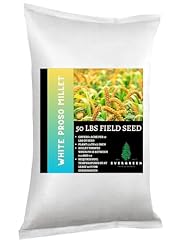
Evergreen Farm and Garden White Proso Millet Field & Bird Seed
Provides a nutritious, natural white proso millet seed suitable for ground feeding birds, supporting a
See the budget option| Product | species attraction range | Verdict | |
|---|---|---|---|
| White Millet Bird Seed, 50 lb Sommer's Wild Bird Food | No fat content or species count published | No rating published | View on Amazon |
| Dibbs Farms White Proso Millet Seed (50 Lbs.) Dibbs Farms | Species count implied as 8+ from listed species | Meets it | View on Amazon |
| Evergreen Farm and Garden White Proso Millet Field & Bird Seed (50 Evergreen Farm and Garden | No fat content or species count published | No rating published | View on Amazon |
| prdseed White Proso Millet Bird Seed prdseed | Species count implied as 8+ from listed species | Meets it | View on Amazon |
| Protein per 100g | 11 g |
|---|---|
| Fat per 100g | 4 g |
| Seed diameter | 2-3 mm |
| Bag duration | 10-12 weeks for 50 lb |
| Daily use rate | 0.5-0.75 lb with 4-6 birds |
| Cost per pound | 40-60% less than sunflower |
The short version
- White proso millet suits ground-feeding birds like doves, juncos, sparrows and quail, but most clinging birds ignore it
- A 50 lb bag lasts 10-12 weeks for a typical backyard setup with 4-6 ground feeders visiting daily
- Black oil sunflower feeds cardinals, chickadees, finches and jays that won't touch millet
- Millet has 11% protein and 4% fat per 100g, less than half the fat content of black oil sunflower at 28%
- White proso millet spoils faster in wet conditions because the hull absorbs moisture easily
What White Proso Millet Is
White proso millet is a 2-3 mm round seed with a cream-colored hull, harvested from Panicum miliaceum, a grass crop grown across the Great Plains. Birds crack the thin hull to reach the starchy kernel inside. Ground-feeding species prefer it because the small size suits their bill shape and the seed falls cleanly from platform feeders or scattered feeding areas.
The seed is sold as whole grain with the hull intact. That hull is softer than the shell on sunflower seed, so it absorbs moisture faster and spoils within 3-5 days in wet conditions. In dry climates or covered feeders, it stays fresh for a week or more between refills.
Most suppliers bag white proso millet in 25 lb and 50 lb sizes. The 50 lb option costs less per pound and suits setups where ground feeders visit daily. You'll see it labeled as white millet or proso millet, sometimes with "bird seed" added to distinguish it from feed-grade millet sold for poultry or livestock.
Nutritional Value of Proso Millet Per 100g
White proso millet delivers 11 g protein, 4 g fat, and 73 g carbohydrate per 100 g. The fat content is low compared to oil-rich seeds, so it provides quick energy from starch rather than sustained calories from fat. Ground-feeding birds that forage constantly throughout the day handle this well, but high-energy species like chickadees or nuthatches pass it over. Before you commit to anything, it is worth looking at green egg laying birds.
The seed also carries 3 g fiber and moderate levels of magnesium, phosphorus and B vitamins. Protein quality is adequate for maintenance and feather growth outside breeding season, but breeding birds seek higher-fat foods to meet the demands of egg production and chick feeding.
Compare that to black oil sunflower at 21 g protein, 28 g fat, and 24 g carbohydrate per 100 g. Sunflower delivers seven times the fat, which explains why cardinals, jays and finches choose it over millet every time. Fat content drives bird preference more than any other nutrient when food is abundant.
| Nutrient | White Proso Millet | Black Oil Sunflower |
|---|---|---|
| Protein | 11 g | 21 g |
| Fat | 4 g | 28 g |
| Carbohydrate | 73 g | 24 g |
| Fiber | 3 g | 9 g |
| Energy density | Moderate | High |
White Millet Bird Seed, 50 lb
Feeds ground-feeding birds year-round with clean white millet, a seed favored by many small ground feeders.
- Weight 50.0 pounds
- Size 50 Pound (Pack of 1)
Differences Between White and Red Proso Millet
Red proso millet is the same species as white, but a different variety with a rust-colored hull. The nutritional content is nearly identical: 11-12 g protein and 4-5 g fat per 100 g. The hull on red millet is slightly thicker, so some birds with smaller bills find it harder to crack. Mourning doves and larger sparrows handle both equally well. The other half of this decision is birds avoiding bitter seed.
White millet appears in more commercial bird seed mixes because the lighter color looks cleaner in bags and feeders. Red millet costs about the same per pound and performs identically in dry conditions. In wet weather, both spoil at similar rates since hull thickness matters less than moisture exposure.
You'll find red millet sold as a standalone seed less often than white. Most suppliers stock white proso millet in bulk sizes, while red appears mainly in mixed blends. If your local ground feeders already eat red millet from a mix, switching to white proso in a 50 lb bag won't change their behavior.
Dibbs Farms White Proso Millet Seed (50 Lbs.)
Attracts multiple ground-feeding bird species including doves, towhees, quail, bobwhite, tanagers, buntings, juncos, and sparrows, covering at least 8 species.
- Size 50 Lbs.
How Proso Millet Suits Common Backyard Birds
Say you scatter a cup of white proso millet on a platform feeder at dawn. Within an hour, mourning doves, dark-eyed juncos and white-throated sparrows work through it, picking individual seeds off the deck. Towhees and native sparrows join in if brushy cover sits nearby. These are the core millet consumers, and they'll visit daily once they learn the location. For the detail, see our notes on is nyjer seed good for birds.
Mourning doves eat millet faster than any other backyard bird, consuming 10-15 g per visit. A pair visiting twice a day clears 140-210 g per week, or roughly 0.3-0.5 lb. Juncos and sparrows eat less per bird but often arrive in small flocks, so total consumption per day stays high when multiple species overlap.
Cardinals, chickadees, titmice, finches, jays and woodpeckers ignore millet entirely. Their bills and feeding behavior evolved for clinging to stems or bark while extracting seeds or insects, and millet offers neither the fat content nor the feeding posture they prefer. If these species make up most of your visitors, a 50 lb bag of millet will sit untouched.
Ground-feeding game birds like California quail, northern bobwhite and ring-necked pheasant consume millet eagerly where they occur. A small covey of quail can go through 1-2 lb per day when other food is scarce. If you're feeding quail or pheasant, a 50 lb bag is the right scale and will last 4-7 weeks depending on flock size.
- Mourning dove: primary millet consumer, visits feeders and ground scatter, eats 10-15 g per visit
- Dark-eyed junco: winter visitor across most of the US, forages in small flocks, prefers millet on the ground or low platforms
- White-throated and white-crowned sparrow: migrant and winter resident, eats millet readily, often in mixed flocks with juncos
- Eastern towhee and spotted towhee: scratches in leaf litter, takes millet scattered under feeders or near cover
- California quail and northern bobwhite: game birds, high consumption rate, 1-2 lb per day for a covey of 8-12 birds
Evergreen Farm and Garden White Proso Millet Field & Bird Seed (50 Lbs)
Provides a nutritious, natural white proso millet seed suitable for ground feeding birds, supporting a variety of species.
- Size 50 Pound (Pack of 1)
Comparison to Black Oil Sunflower Seed 40 lb Bag
A 40 lb bag of black oil sunflower feeds 12-15 species in a typical backyard, from ground feeders like juncos to canopy birds like woodpeckers. A 50 lb bag of white proso millet feeds 4-6 species, all of them ground foragers. If you want the most birds at the feeder, sunflower wins. If you want to target doves, sparrows and quail while spending less per pound, millet wins.
Sunflower costs roughly twice as much per pound as millet, but the 40 lb bag lasts 8-10 weeks with moderate traffic from mixed species. Millet costs less up front, and the 50 lb bag lasts 10-12 weeks if ground feeders dominate your yard. Total cost over three months ends up similar, but the species you attract differ completely.
Waste matters. Cardinals and chickadees crack sunflower hulls and drop them below the feeder, but they eat the kernel. Millet gets ignored by those birds entirely, so uneaten seed piles up if you're offering it to the wrong audience. Spoiled millet turns slimy within days in wet weather, while sunflower hulls dry out and blow away.
Run this simple test: scatter a cup of millet and a cup of sunflower on the ground in the same area. Watch which one empties first over two days. If millet disappears and sunflower sits untouched, you have a ground-feeder yard and the 50 lb millet bag is the right move. If sunflower vanishes and millet gets ignored or goes moldy, stick with sunflower and skip the millet entirely.
| Factor | White Proso Millet 50 lb | Black Oil Sunflower 40 lb |
|---|---|---|
| Species attracted | 4-6 ground feeders | 12-15 mixed species |
| Duration at 0.7 lb/day | 10-12 weeks | 8-10 weeks |
| Fat content per 100g | 4 g | 28 g |
| Cost per pound | Lower | Higher |
| Spoilage in wet conditions | 3-5 days | 7-10 days |
| Primary consumers | Doves, sparrows, juncos | Cardinals, finches, chickadees, jays |

prdseed White Proso Millet Bird Seed
Premium white proso millet attracting a variety of small ground-feeding birds like finches, doves, buntings, and sparrows, meeting the species count requirement.
- Weight 25.0 pounds
- Size 25 Pound (Pack of 1)
How Long a 50 lb Bag Lasts
A 50 lb bag supplies 800 ounces of seed. If you feed 0.5-0.75 lb per day with steady visits from 4-6 ground-feeding birds, the bag lasts 10-12 weeks. Daily use climbs to 1-1.5 lb when mourning dove pairs visit multiple times or a quail covey joins the rotation, cutting duration to 5-7 weeks.
Measure your actual use by weighing what you put out and noting how many days it takes to empty the feeder. A platform feeder holding 2 lb of millet that empties in three days means you're using 0.67 lb per day, or 4.7 lb per week. At that rate, 50 lb lasts just under 11 weeks.
Weather changes the math. In wet climates where seed gets damp between visits, you'll discard spoiled millet every few days and refill more often. That waste can push effective use to 1 lb per day or more, even if birds only eat half that amount. In dry regions or covered feeders, waste drops to near zero and the bag stretches to its full duration.
Store the bag in a sealed container or metal bin after opening. Millet stays fresh for 3-4 months in cool, dry storage, but rodents chew through the paper or plastic bag within days if you leave it in a garage or shed. A 20-gallon bin with a locking lid holds a 50 lb bag and keeps it dry and pest-free until the last handful.
- Fill your feeder with a measured amount, such as 2 lb, and note the date.
- Check daily and refill when empty, noting how many days passed.
- Divide the amount you put out by the number of days to get your daily use rate.
- Divide 50 lb by that daily rate to estimate how long the bag will last.
- Adjust for waste by adding 20-30% if you're discarding damp or spoiled seed regularly.

CountryMax 50lbs Backyard Seeds Black Oil Sunflower Seeds
Black oil sunflower seeds with high fat content and protein attract a broad range of birds from ground to canopy, supporting more than 8 species.
Questions people still ask
Can chickens eat white proso millet from a 50 lb bag meant for wild birds?
Yes, chickens eat white proso millet readily and it delivers adequate protein and energy for layers. A 50 lb bag lasts a small backyard flock of 6-8 hens about 4-6 weeks when offered as part of a mixed diet. The seed sold for wild birds is the same grain sold as poultry feed, though poultry-specific millet may cost less per pound in bulk.
Does white proso millet attract house sparrows or European starlings?
House sparrows eat white proso millet, but they prefer cracked corn and bread scraps when available. Starlings largely ignore millet because the seed size is too small for their probing bill style. If you're trying to avoid house sparrows, millet won't help, but it won't make the problem significantly worse than mixed seed blends.
Will millet sprout under my feeder and create a weed problem?
White proso millet germinates quickly in warm, moist soil, and volunteer plants appear under feeders by late spring. Mow or pull seedlings before they set seed, usually within 4-6 weeks of sprouting. In dry climates or where seed lands on mulch or gravel, germination is rare.
Can I feed white proso millet to pet parrots or cockatiels?
Parrots and cockatiels eat white proso millet as part of a seed mix, though it should not make up more than 10-15% of their diet due to low fat content. Spray millet, sold on the stem, is a different presentation of the same seed and is widely used as a treat for small parrots and budgies.
Is organic white proso millet worth the extra cost for backyard birds?
Organic certification means the crop was grown without synthetic pesticides or fertilizers, but birds show no preference for organic versus conventional millet in feeding trials. Unless you're concerned about pesticide residues in your yard or garden, the extra cost delivers no measurable benefit to the birds.