
Why Avian Vets Cost More Than Regular Pet Vets
By Erick Updated 9 min read
As an Amazon Associate I earn from qualifying purchases. That costs you nothing and does not decide what gets recommended. We also earn a commission from some links to partner brands (POPOSOAP).
On this page (8 sections)
- The Training Gap Is Wider Than You Think
- Birds Hide Illness Until It’s Almost Too Late
- Specialized Equipment Isn’t Cheap, and Birds Are Small
- Birds Require More Staff Time Per Visit
- Comparing Costs: Avian vs. Standard Pet Care
- Is the Higher Price Worth It?
- Frequently Asked Questions
- What to Do With This Information
You got a quote for a routine checkup on your cockatiel and nearly choked on your coffee. One hundred and twenty dollars just for the exam fee, before any tests. Your friend pays forty bucks for the same visit with her Labrador. You start wondering if someone made a typo.
No typo. The gap is real, and it’s not going away. Avian medicine costs more because it’s genuinely harder, requires different training, and uses equipment that regular clinics simply don’t keep on hand. This article breaks down exactly where that money goes, what you’re actually paying for, and how to plan for it without being caught off guard.
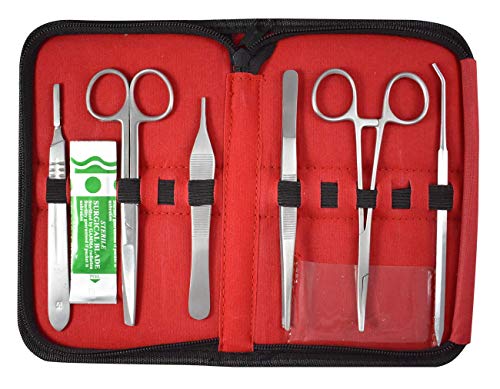
DR Instruments
Vet-Student Dissection Kit - Deluxe
- ✅ BEST VALUE: Our tools are made from high quality premium stainless to ensure they last long and perform well. We provide you the…
- ✅ WIDE VARIETY OF TOOLS: This kit contains all of the essential tools for your dissection needs. With 3 different kinds of forceps…
- ✅ EASY TO CARRY: The tools are contained in a leatherette zippered case that is slim and compact for easy transport to the classro…
You’ll walk away knowing the specific reasons behind the price difference, what a typical avian exam includes, and how to compare clinics fairly.
If you’re a vet student or pre-vet student planning to work with birds, the DR Instruments Vet-Student Dissection Kit is worth a look. It packs forceps, scissors, a probe, and a scalpel with replaceable blades into a compact leatherette case. It’s a solid starting point for learning anatomy before you ever touch a live patient.
The Training Gap Is Wider Than You Think
Regular vets learn about dogs and cats. That’s the core curriculum. Birds get maybe a few weeks of coverage in a four-year program, and it’s usually basic stuff, like how to hold a parakeet and what a healthy beak looks like.
Avian specialists don’t stop there. They complete additional internships and residencies that last two to three years beyond veterinary school. They sit for extra board exams. Many pursue membership in the American Board of Veterinary Practitioners (ABVP) with a specialty in avian practice.
That extra training costs money, and it shows up in their fees. You’re not paying for a vet who read a textbook chapter on birds. You’re paying for someone who has spent thousands of hours treating them, including the complicated cases that regular vets refer out.
Consider the difference in case load. A general practice might see a bird once a week, often a budgie with a broken blood feather. An avian specialist sees birds all day, every day. They’ve dealt with a macaw that won’t stop plucking, a conure with a suspected zinc toxicity, a pigeon with a fractured humerus. That pattern recognition is valuable, and it’s priced accordingly.
Birds Hide Illness Until It’s Almost Too Late
Here’s the uncomfortable truth about avian patients: they’re prey animals. In the wild, showing weakness gets them eaten. So a sick bird will mask symptoms until it physically can’t anymore.
By the time you notice your bird is fluffed up, sleeping more, or sitting at the bottom of the cage, the disease has often progressed significantly. This means the vet can’t do a quick visual check and send you home. They have to run diagnostics to find what’s wrong, because the bird isn’t telling them.
That’s why an avian exam feels more like a workup than a checkup. A thorough avian visit typically includes a gram stain of the droppings, a blood panel, and a physical exam that checks the crop, the vent, the wings, and the oral cavity. Each of those tests adds to the bill.
A basic avian blood panel runs between $80 and $200 depending on your region and the lab used. The gram stain is another $30 to $50. Add the exam fee on top, and you’re looking at $200 to $400 for a first visit with a new bird. That’s not a rip-off. That’s the cost of actually finding out what’s going on inside a creature that’s designed to hide it.
Specialized Equipment Isn’t Cheap, and Birds Are Small
You cannot use a dog stethoscope on a budgie. The diaphragm is too large, and the bird’s heart rate is so fast you’ll just hear a blur. Avian vets need a pediatric or Doppler stethoscope that picks up those rapid, faint sounds.
The same problem applies to nearly every piece of equipment. Blood pressure cuffs for birds are tiny and specialized. IV catheters are as thin as a human hair. Anesthesia masks are shaped for beaks, not snouts. Surgical instruments are smaller and more delicate than standard veterinary tools, and they cost more to manufacture because they’re made in lower volumes.
Radiographs of a bird require high-detail dental X-ray machines rather than standard veterinary units. A bird’s bones are thin and lightweight, and you need fine resolution to see a fracture or an enlarged heart. These machines cost tens of thousands of dollars, and they’re not used for anything else in a mixed practice.
Then there’s the incubator. Sick birds often need to be kept warm, and avian patients lose body heat fast. A quality veterinary incubator runs $1,500 to $4,000. That’s a significant capital investment for a clinic, and it has to be recouped through exam fees and hospitalization charges.
Birds Require More Staff Time Per Visit
Here’s a detail most owners don’t consider: a bird exam takes longer than a dog exam, and it requires more people in the room.
A dog can be examined on the floor with one technician holding the leash. A parrot needs to be toweled, restrained, and examined by a vet who’s also watching the bird’s respiratory rate and trying not to get bitten. A frightened cockatoo can deliver a bite that removes a fingertip, so the team uses extra caution and extra hands.
Most avian exams require at least two people: one to restrain the bird and one to perform the exam. For fractious birds, you might need three. That’s more payroll per appointment.
The exam itself is also more thorough. The vet checks the choanal slit (that’s the opening in the roof of the mouth), palpates the keel bone to assess body condition, listens to the heart and lungs, checks the crop for food stasis, and examines the feet and nails for pressure sores. This isn’t a five-minute glance. A comprehensive avian wellness exam takes 30 to 45 minutes, compared to 15 to 20 minutes for a healthy dog.
Some avian vets also spend time on husbandry counseling. They’ll ask about your cage setup, diet, lighting, and sleep schedule. That’s because most bird illnesses trace back to poor husbandry, and a good avian vet knows that treating the bird without fixing the environment means the bird will get sick again. That counseling is part of why you’re paying more, and it’s genuinely valuable.
Comparing Costs: Avian vs. Standard Pet Care
| Service | Standard Dog/Cat Clinic | Avian Specialist | Why the Difference |
|---|---|---|---|
| Wellness exam | $45–$75 | $85–$150 | Longer appointment, specialized training, more staff |
| Blood panel (CBC + chemistry) | $100–$180 | $150–$250 | Smaller sample volumes, specialized lab handling, more tests |
| Fecal exam | $25–$45 | $40–$70 | Includes gram stain, not just a float test |
| Radiographs (X-rays) | $150–$300 | $250–$450 | High-detail dental X-ray machine, more views needed |
| Anesthesia (per hour) | $100–$200 | $200–$350 | Specialized gas masks, closer monitoring, smaller equipment |
| Hospitalization (per day) | $75–$150 | $150–$300 | Incubator care, frequent monitoring, staff expertise |
These numbers are typical ranges across the United States. Urban areas and specialty hospitals run higher, rural areas run lower. The pattern holds everywhere: avian care costs roughly double to triple the equivalent service for a dog or cat.
Is the Higher Price Worth It?
Short answer: yes, for most bird owners. A regular vet can handle a basic nail trim or a simple wound. But if your bird is actually sick, you want someone who knows what they’re doing. Birds deteriorate fast, and a wrong guess can be fatal.
There’s also the matter of experience with species differences. A cockatiel, a macaw, and an African grey have different dietary needs, different common diseases, and different drug sensitivities. A general vet who sees a parrot twice a year might not know that a particular antibiotic is toxic to that species. An avian specialist knows this cold.
That said, not every bird emergency requires a specialist. If your bird has a broken blood feather and the bleeding is controlled, a regular vet can handle it. If your bird is lethargic, fluffed, and not eating, that’s a specialist call. The price difference is the cost of not gambling with your bird’s life.
One more thing worth noting: pet insurance for birds is still rare in the US, though a few companies now offer exotic pet coverage. If you have a young, healthy bird, a policy that covers illness and accidents could save you thousands down the road. It’s not cheap, but neither is an emergency avian surgery.
Frequently Asked Questions
Why does a bird checkup cost more than my dog’s checkup?
The exam takes longer, requires more staff, and the vet has specialized training. A dog checkup is a 15-minute once-over. An avian checkup includes a gram stain, a thorough physical exam, and often a discussion of husbandry. You’re paying for a longer, more detailed appointment.
Can I take my bird to a regular vet to save money?
You can, but it’s a gamble. Regular vets aren’t trained to catch subtle signs of avian disease. They might miss a heart murmur that an avian vet would hear immediately. For basic services like nail trims, a regular vet is fine. For anything involving illness, don’t risk it.
Why did my avian vet charge $400 for a first visit?
First visits are almost always more expensive because they include a full workup: exam fee, blood panel, gram stain, and sometimes a fecal culture. The vet is establishing a baseline for your bird’s health. Follow-up visits are usually cheaper because they don’t repeat all the diagnostics.
Are avian vets just trying to rip me off?
No. The overhead is real. Specialized equipment, advanced training, and longer appointments all cost money. Avian vets make less than their dog-and-cat counterparts despite charging more, simply because they see fewer patients per day. The markup isn’t greed; it’s economics.
How can I reduce the cost of avian vet care?
Prevention is the biggest lever. A good diet, proper lighting, and a clean cage prevent most illnesses. Learn to do nail trims at home if you’re comfortable. Ask your vet if they offer a wellness plan or a discount for annual exams. And consider exotic pet insurance while your bird is young and healthy.
What to Do With This Information
- Budget $300–$500 per year for routine avian care, plus a $500 emergency fund. This covers a wellness exam, one blood panel, and a buffer for unexpected issues.
- Call three avian vets in your area before you need one. Ask about exam fees, blood panel costs, and whether they accept new patients. Some avian vets have months-long waitlists.
- Ask your vet to explain every test before they run it. A good avian vet will tell you what they’re looking for and why it matters. If they can’t, find another vet.
- Learn the early signs of illness: fluffed feathers, sitting at the bottom of the cage, tail bobbing, decreased appetite, or a change in droppings. Catching these early saves money and saves lives.
- If you’re a vet student, invest in quality dissection tools like the DR Instruments dissection kit to build your anatomy skills. Better training now means better care later, and that benefits every bird you’ll treat.
- Don’t skip annual exams just to save money. Birds hide illness, and a yearly blood panel can catch problems months before they become visible. That single test can save you thousands in emergency care.
- When comparing clinics, look at the total cost of a visit, not just the exam fee. A clinic that charges $90 for an exam but includes the gram stain might be cheaper than one that charges $70 and bills the stain separately.
The price gap between avian and regular vets isn’t going to disappear. It’s rooted in real differences in training, equipment, and time. But if you understand where the money goes, you can plan for it, ask the right questions, and make sure your bird gets care that’s actually worth the cost. For more on keeping your feathered friend healthy, check out our guide on avian-specific antibiotics and why they matter.