
Healthy rooster dead overnight: what to rule out first
By Erick Updated 7 min read
As an Amazon Associate I earn from qualifying purchases. That costs you nothing and does not decide what gets recommended. We also earn a commission from some links to partner brands (POPOSOAP, Kiwibit Inc.).
On this page (8 sections)
- The short version
- Can a rooster just die
- What to check on the bird and in the coop after
- Common causes of sudden death in a rooster with no warning signs
- Whether roosters fight to the death and when to separate or not keep only roosters
- How to tell a one-bird event from a flock-wide risk
- What to do and check before bringing in another rooster
- Questions people still ask
In short: A healthy rooster can suddenly die overnight mainly from hidden causes like heart failure, heat stroke, crop issues, toxins, or fight injuries. Check the bird’s comb color, crop condition, weight, vent, droppings, and the coop’s heat and ventilation to rule out causes.
Part of our guide on containment solutions for chickens
A healthy rooster’s sudden overnight death usually hides clues you can check in the bird and coop before guessing what went wrong.
| Sudden death causes | heart, heat, crop, toxins, trauma |
|---|---|
| Coop temperature risk | above 85°F overnight |
| Crop normal fullness | soft, half filled |
| Comb color | bright red healthy |
| Vent condition | clean, no swelling |
| Fighting risk | high with multiple roosters |
The short version
- Sudden death often comes from heart, heat, crop, toxins, or trauma.
- Check comb color and weight to spot circulatory or illness signs.
- Crop and vent inspection reveal digestive or blockage problems.
- Poor ventilation or extreme heat can kill quickly overnight.
- Rooster fights can cause fatal injuries; separate aggressive birds.
Can a rooster just die
Say you find a rooster dead overnight with no warning signs. You wonder if it could have just dropped dead for no reason. The truth is roosters rarely die completely without any underlying cause.
Sudden death often happens from hidden health issues like heart failure or heat stroke. Sometimes a crop blockage or a toxin causes death quickly. Trauma from fights can also kill without apparent early signs. These causes act fast and quietly.
A rooster’s normal state includes a bright red comb, normal weight, and clear eyes. If it looks healthy one evening and is dead by morning, look for subtle clues in the bird and coop that point to what killed it.
What to check on the bird and in the coop after
Picture a rooster found dead overnight. Your next step is to examine its comb color, crop, vent, weight, and droppings. These give clues about sudden illness or distress. Before you commit to anything, it is worth looking at young chick flock mortality reasons.
A pale or darkened comb signals poor circulation or shock. The crop should feel soft and about half full in the morning. A hard or empty crop may show blockage or starvation. Check the vent for cleanliness; swelling or discharge means infection.
Weigh the bird if possible. Sudden weight loss or emaciation suggests chronic disease, while normal weight points to an acute problem. Inspect the droppings for color and texture; watery or black droppings indicate illness or poisoning.
Examine the coop's heat and ventilation. Temperatures rising above 85°F overnight stress birds fatally. Poor ventilation traps ammonia and moisture, harming respiratory health. Fresh water and clean feed are crucial. For the detail, see our notes on roosters fighting to the death.
- Comb color: bright red is healthy, pale or bluish shows distress
- Crop fullness: soft and half full normal, hard or empty abnormal
- Vent condition: clean and dry is normal, swelling or discharge is a problem
- Weight: sudden loss or emaciation suggests disease
- Droppings: normal are firm and brown, watery or dark signals illness
- Coop temperature: above 85°F overnight risks heat stroke
- Ventilation: poor ventilation increases respiratory and toxin risks
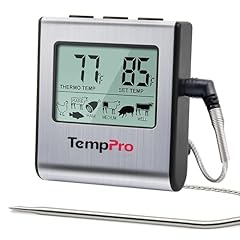
TempPro TempTrack Large LCD Digital Meat Thermometer for Cooking
Lets you watch for dangerous overnight coop heat with a 40-inch cabled probe that reads 32°F to 572°F at ±1°F accuracy so you can act before heat stress harms the bird.
Common causes of sudden death in a rooster with no warning signs
Imagine your rooster was fine at dusk but found cold and dead in the morning. Common causes include heart failure, heat stroke, crop impaction, toxins, and injuries.
Heart failure can strike without earlier symptoms, especially in older roosters or those with hidden heart disease. Heat stroke occurs when coop temperatures soar at night, with birds unable to cool down.
Crop impaction or sour crop leads to digestive shutdown and death if untreated. Toxic poisoning from pesticides, rodenticides, or bad feed causes rapid fatal symptoms. Rooster fights risk sudden death from blood loss or organ damage. We cover causes of baby chicken death in its own article.
Recognizing these causes helps prevent repeat loss. Heart problems may require vet input. Heat risk demands monitoring coop temperature and ventilation.
| Cause | Signs Before Death | How Sudden | Prevention |
|---|---|---|---|
| Heart failure | Sometimes none | Very sudden | Regular health checks |
| Heat stroke | Panting, lethargy | Few hours | Good ventilation, shade |
| Crop impaction | Reduced eating, swelling | Days to sudden | Check crop regularly |
| Toxins | Weakness, convulsions | Minutes to hours | Safe feed, no chemicals |
| Fight injury | Wounds, bleeding | Minutes to hours | Separate aggressive roosters |
Whether roosters fight to the death and when to separate or not keep only roosters
Picture two or more roosters in a small coop. Rooster fights often escalate during breeding or territory conflicts. These can cause serious injuries or death if birds are not separated.
Roosters do sometimes fight to the death, especially if they lack enough space or if one is dominant. Separating aggressive roosters prevents fatal injuries and stress that can also harm hens. Generally, keep one rooster with several hens for a safe flock. We go through why are my chickens getting paralyzed and dying step by step elsewhere on the site.
Watch for signs of aggression like chasing, pecking, and crowing at each other. If injuries appear, separate the roosters immediately. Providing ample space, enrichment, and hiding places reduces fighting risk.
Choosing to keep multiple roosters involves managing flock dynamics carefully. Some owners keep more with large space and multiple hen groups, but this needs close monitoring.
- Aggression: common among multiple roosters
- Fatal fights: possible without separation
- One rooster: safer for small flocks
- Signs: chasing, pecking, vocal threats
- Space: more reduces fight risk
- Separate immediately if wounds appear
How to tell a one-bird event from a flock-wide risk
You find one rooster dead and wonder if others are at risk. Checking the flock helps decide if it's an isolated incident or a contagious problem.
Inspect all birds for abnormal comb color, lethargy, poor appetite, or unusual droppings. If several show symptoms, suspect infectious disease or environmental factors affecting many. One sick bird might mean localized injury or toxicity.
Check feed and water sources for contamination. Examine the coop for overcrowding, poor hygiene, or extreme heat. Monitoring flock health daily can catch issues before they become deadly.
Use this quick test: count how many birds show symptoms compared to total flock size. More than 10% symptomatic suggests a flock-wide risk.
- Observe all flock members for signs of illness or distress
- Check feed and water for contamination or spoilage
- Evaluate coop conditions: temperature, ventilation, cleanliness
- Isolate any sick or injured birds
- Consult a vet if multiple birds show symptoms
What to do and check before bringing in another rooster
Imagine you lost your rooster and want to add a new one. Before introducing a new bird, check the coop and flock for disease risk to prevent spreading illness.
Quarantine the new rooster for at least 30 days in a separate area. Watch for signs of parasites, respiratory illness, or lethargy. Test the coop’s hygiene and repair damaged areas where pests or microbes might hide.
Ensure the coop size supports additional birds with enough space and separate feeding areas. Observe current flock behavior and be ready to separate if fights occur. Provide enrichment to reduce stress.
Consider vaccination and parasite treatments for the new bird. Proper introduction reduces the chance of losing another rooster suddenly.
- Quarantine new rooster 30 days minimum
- Monitor for illness signs daily
- Check coop cleanliness and repair damage
- Ensure space for extra birds
- Be prepared to separate aggressive roosters
- Consider vaccinations and parasite control
Questions people still ask
Can a rooster die suddenly without any symptoms?
Sudden death without visible symptoms is rare but possible, usually caused by hidden heart failure, toxins, or heat stroke, which act fast and leave no early signs.
How can I check if my rooster died from heat stroke?
Check coop temperature; if it was above 85°F overnight, and the bird’s comb is pale or swollen, heat stroke is likely. Also look for heavy breathing or lethargy before death.
What signs indicate a crop problem in my rooster?
A hard or swollen crop, foul smell, or inability to eat are signs of crop impaction or sour crop, which can cause death if untreated.
How do I safely introduce a new rooster to my flock?
Quarantine the new rooster for at least 30 days away from the flock. Monitor health, clean the coop, provide enough space, and separate if fights happen.
Are multiple roosters safe in a backyard flock?
Multiple roosters often fight and can cause injury or death. Keep only one rooster per flock or provide ample space and hens to reduce aggression.