
Why Do My Chickens Have Bald Spots? Causes & Solutions
By Erick Updated 12 min read
As an Amazon Associate I earn from qualifying purchases. That costs you nothing and does not decide what gets recommended. We also earn a commission from some links to partner brands (POPOSOAP, Kiwibit Inc.).
On this page (8 sections)
In short: Bald spots on chickens are caused by molting, feather pecking by other birds, external parasites like mites or lice, mating damage from roosters, or nutritional deficiencies. The location and appearance of the bald patch (whether it's red, scabby, or clean pink skin) tells you which cause you're dealing with.
Part of our guide on chicken yard electric fence options
The pattern of bald spots tells you whether your hen is being pecked, mated too hard, or hosting parasites—and the fix is different for each.
| Molt duration | 8 to 16 weeks, once a year |
|---|---|
| Protein for regrowth | 18 to 20 percent minimum |
| Mite check location | Vent area and under wings at night |
| Space per bird (run) | 8 to 10 square feet |
| Rooster-to-hen ratio | 1 rooster per 8 to 12 hens |
| Feather regrowth time | 4 to 8 weeks after cause stops |
The short version
- Bald patches on the back or neck with broken feather shafts usually mean rooster mating or pecking from other hens
- Scattered bald spots with irritated red skin and birds scratching constantly point to mites or lice
- Symmetrical feather loss across the body during late summer or fall is normal molting, not a problem
- A single bald head or neck on a low-ranking hen means the flock is pecking her: separate her or add more space
- Protein below 16% in layer feed slows regrowth; switch to 18-20% grower or add mealworms during recovery
What Causes Bald Spots on Chickens
Say one of your hens has a bare patch the size of a quarter on her back, right between the wings. The skin looks pink and clean, no blood, no scabs. That's classic rooster damage from mating. Now picture a different bird with patchy bald spots scattered across her body, red and irritated, and she's scratching herself against the coop wall every few minutes. That's mites.
The cause of a bald spot depends on where it appears, what the skin looks like underneath, and whether other birds have it too. A single bald hen in a flock of twenty suggests pecking or rooster attention. Multiple birds losing feathers at the same time, especially in late summer, usually means molting. Bald spots with broken feather shafts still poking out point to physical damage. Spots with no shafts at all and irritated skin suggest parasites.
Molting is the replacement of old feathers with new ones, triggered by shortening daylight in late summer or early fall. It's symmetrical: both wings, both sides of the body. Pecking and mating damage are asymmetrical and concentrated where other birds or the rooster can reach. Mites and lice cause random scattered patches because the hen scratches wherever it itches.
Check the bald area under good light. Clean pink or pale skin with no blood and no broken shafts means the feathers fell out on their own, which is normal during a molt. Red, inflamed skin with scabs or broken quills still embedded means something pulled or broke the feathers off. Tiny moving specks on the skin at night, or clusters of eggs at the base of feather shafts, confirm parasites. The other half of this decision is how to stop chickens from pecking each other.
Rooster Mating and Feather Loss on the Back
A rooster grips a hen's back feathers with his beak during mating. If he has sharp spurs or overgrown toenails, or if the flock has too few hens, his favorite hens end up with bald patches between the wings and down the back. The skin underneath is usually smooth and pink, sometimes with light scratches but rarely bleeding unless the damage is severe.
The ideal ratio is one rooster to eight to twelve hens. With fewer hens, he mates the same birds too often and wears the feathers down faster than they can regrow. Some roosters are rougher than others. A heavy breed rooster on a small bantam hen tears feathers even with a proper ratio.
Trim the rooster's spurs if they curve back toward his leg, and clip his toenails if they're long and pointed. You can also fit the bald hens with hen saddles: fabric aprons that strap around the wings and cover the back. These protect the skin and give feathers time to regrow, usually four to six weeks if the damage stops. For the detail, see our notes on feeding molting chickens.
If the bald spots are getting worse or the skin is torn and bleeding, remove the rooster temporarily or rehome him. A hen with open wounds is at risk of infection and will be pecked by other birds once they see blood.
- One rooster per 8-12 hens: more hens spread out mating pressure and reduce wear on individual birds
- Hen saddles: fabric cover that straps over the wings, protects the back during regrowth
- Trim spurs and nails: file or clip sharp points every few months to prevent skin tears
- Separate aggressive roosters: if the damage continues despite changes, the rooster may be too rough for the flock
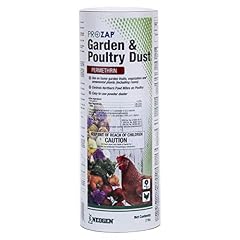
Prozap 1499540 Garden & Poultry Dust For Insects
Controls northern foul mites and lice on poultry, addressing external parasites that cause feather loss.
Feather Pecking and Bald Heads or Necks
What is the cause of bald spot in breast of hen. You ask because your hen's breast is bare and you want a quick fix. Feather pecking is a social behaviour. It focuses on easy targets: heads, necks, vents, and sometimes the breast when birds can reach it.
Pecking starts for clear reasons: overcrowding, boredom, or bright light. It also starts when a bird learns pecking yields food or a roost. Once a habit forms, several hens join in. Bald breast patches mean the pecking is severe or the bird lies low during mating. People in this spot often ask about how to prevent egg pecking as well.
Space rules are simple. Give a run eight to ten square feet per bird and a coop three to four square feet per bird for roosting. Add scratch material and hanging treats. Dim lights to 40 watts or less. Those steps cut pecking triggers quickly.
If you see blood, separate the victim at once. Isolate her where she can see but not be reached. Keep a soft floor and feed high-protein treats. Feather regrowth usually begins in four to eight weeks with good food and no further pecking.
what is the cause of bald spot in breast of hen
Check for mites and lice if the bare area is itchy or scabby. Lift feathers at night around the vent, under wings, and on the breast. Use a flashlight. Look for tiny moving specks or white eggs glued to feather shafts. People in this spot often ask about why baby chickens die as well.
Red mites feed at night from cracks in the coop. Northern fowl mites stay on the bird and cluster at the vent and under wings. Lice chew feather shafts and skin flakes. All three make birds scratch and lose feathers.
Parasite damage is scattered and irregular. Skin often looks inflamed, scabby, or crusty. Birds may lose weight, stop laying, or seem tired from poor sleep.
Treat birds and coop together. Dust birds with permethrin poultry dust or spray with a pyrethrin product, covering vent and under wings. Clean the coop, remove all bedding, and spray roosts and cracks. Repeat treatment in seven to ten days.
Prevent reinfestation with regular nighttime checks and a dust bath area. Keep the coop dry and rodent- and wild-bird proof.
- Check at night: lift feathers around the vent and under wings with a flashlight, look for moving specks or egg clusters on shafts.
- Dust or spray the bird: use permethrin poultry dust or pyrethrin spray, cover vent, wings, and neck thoroughly.
- Clean the coop: remove all bedding, scrape roosts, spray cracks and joints with poultry insecticide or vinegar solution.
- Repeat in 7-10 days: second treatment kills newly hatched mites or lice that survived the first application as eggs.
- Monitor monthly: quick nighttime checks catch reinfestations early before feather damage becomes severe.
Molting and Seasonal Feather Loss
Late summer, and suddenly three or four of your hens look ragged. Feathers all over the coop floor, bald patches appearing on their necks and backs. They're not sick: they're molting. This is the annual replacement of old feathers with new ones, triggered by shorter daylight hours in late summer or early fall.
A molt lasts eight to sixteen weeks depending on the bird. Some hens molt hard and fast, going nearly bald in a few weeks and regrowing everything quickly. Others molt slowly, losing and replacing a few feathers at a time. Either way, the pattern is symmetrical: both wings lose flight feathers in the same order, both sides of the body thin out evenly.
Molting hens stop laying or lay very little because feather production takes priority. Feathers are 80 to 85 percent protein, so the bird's body diverts protein from egg production to feather growth. Egg production resumes once the molt finishes, usually in late fall or early winter.
You can't stop a molt, but you can support it. Switch from 16 percent layer feed to 18 to 20 percent grower or flock raiser feed during the molt. Add protein-rich treats: mealworms, black oil sunflower seeds, cooked eggs, or canned mackerel. Keep stress low: no flock changes, no moving the coop, no loud disruptions.
Don't confuse a molt with feather pecking. Molting is symmetrical, happens in fall, and affects multiple birds at once. Pecking is asymmetrical, happens any time of year, and often targets one or two birds. Molting hens have new pin feathers (short, waxy tubes) coming in where the bald spots are. Pecked hens have broken shafts or nothing at all.
| Feature | Molting | Feather Pecking |
|---|---|---|
| Timing | Late summer to fall, once a year | Any time of year |
| Pattern | Symmetrical on both sides of body | Asymmetrical, concentrated on head, neck, or back |
| Affected birds | Multiple hens molt at the same time | Usually one or two birds |
| Skin condition | Clean, new pin feathers emerging | Red, irritated, or broken feather shafts |
| Duration | 8 to 16 weeks | Continues until cause is fixed |
Nutritional Deficiencies and Slow Regrowth
Protein shortage will slow or stop feather regrowth. Feathers are 80 to 85 percent protein. A regrowing hen needs 18 to 20 percent protein in her diet. Standard layer feed at 16 percent falls short for recovery.
Switch to grower feed (18–20% protein) or flock raiser (20% protein) while feathers regrow. Offer these free-choice alongside oyster shell so layers can meet their calcium needs. High-protein treats help: dried mealworms (~50% protein) or cooked eggs.
Methionine and lysine matter for feathers. If you feed mostly scratch (low protein), add a balanced pellet or amino-acid supplement. Thin, brittle, or oddly coloured new feathers point to an amino acid shortfall.
Expect slow progress. Pin feathers appear in a few weeks. Full regrowth takes four to eight weeks with correct nutrition and no repeat damage. If pecking or mating continues, regrowth stalls and reserves run out.
Questions people still ask
Why does my baby chick have a bald spot on her neck?
Chicks sometimes rub their necks against the brooder wall or feeder, wearing down the fine baby fluff. It also happens if other chicks peck her, often because the brooder is too small or too brightly lit. The bald spot usually fills in with juvenile feathers as she grows. Separate her if the other chicks are drawing blood, and make sure the brooder has at least half a square foot per chick for the first two weeks, then more as they grow.
Can frizzle chickens get bald spots more easily than other breeds?
Yes. Frizzles have curled feathers that are more fragile and prone to breaking, especially in areas that rub against roosts, walls, or other birds. They also have trouble preening properly because the feather structure doesn't lie flat. Keep frizzles in a flock with calm birds, avoid sharp edges in the coop, and check them more often for mites since parasites can hide more easily in the curled feathers.
Do chickens with long feathered crests on their heads go bald there?
Breeds like Polish and Silkies with head crests can lose crest feathers if other birds peck them, because the crest feathers restrict their vision and make them easy targets. Mites also love the warm, dense feather cover on the head. The crest can also mat and trap dirt or droppings, irritating the skin underneath. Keep crested breeds in small, calm flocks and check their heads weekly.
How do I know if my chickens are pecking each other or if it's mites?
Check the birds at night with a flashlight. Lift feathers around the vent and under the wings. If you see tiny moving specks or clusters of eggs on feather shafts, it's mites. If the skin is clean and the damage is concentrated on the head, neck, or back of one or two birds, it's pecking. Mites cause scattered bald spots and constant scratching; pecking is targeted and often follows the pecking order.
Will feathers grow back after a bad molt or pecking damage?
Yes, as long as the feather follicles weren't destroyed. If the skin is scarred or the damage was severe and repeated over months, some follicles may be permanently damaged and those feathers won't return. Most bald spots from molting, mating, or short-term pecking regrow fully in four to eight weeks once the cause is fixed and protein intake is adequate.
Should I put anything on the bald spot to help it heal?
Only if the hen is separated from the flock. Ointments, sprays, and salves attract pecking because of the smell and shine. If the skin is torn or bleeding, use an antiseptic spray designed for poultry, then isolate the bird until the wound closes. For clean bald spots with no open wounds, leave them alone and let the feathers regrow naturally.