10 Warning Signs Your Bird Is Sick (And What To Do)
Contents
You notice your cockatiel sitting at the bottom of the cage, feathers puffed up like a little gray balloon. She hasn’t touched her millet in two days. She’s still chirping, so it can’t be that serious, right? Wrong. That puffball posture is one of the most classic distress signals in avian medicine, and by the time a bird looks sick, she’s often been ill for a while.
Birds are prey animals. In the wild, showing weakness gets you eaten, so they’ve evolved to mask symptoms until they physically can’t anymore. That means your job as an owner is to spot the subtle stuff early. This article walks through the 10 most reliable warning signs, what each one actually means, and the exact steps you should take before you panic or wait it out.

SINOHERO
SINOHERO Veterinary Monitor 10.1'' Multi-Parameter Touch Screen…
- S80-vet 10.1'' Multi-Parameter Veterinary Monitor,The monitor has abundant monitoring functions and can be used for monitoring of…
- This device can monitor such parameters as ECG, RESP, NIBP, SpO2, and dual-channel TEMP, etc. It integrates parameter measurement…
- High efficient capacitive full touch Screen,operation without hardkey,Ultra simplified and friendly operation flow,Compact and por…
You’ll also learn when home care is okay, when you absolutely need an avian vet, and how to set up a basic monitoring routine. If you have multiple birds, knowing these signs matters even more, because some illnesses spread through a flock faster than a rumor.
For owners who want to track vital signs objectively rather than guessing, a device like the SINOHERO Veterinary Monitor can measure heart rate, respiration, blood pressure, and oxygen levels at home. It’s designed for cats, dogs, and larger animals, so it’s not a fit for a budgie, but it gives serious peace of mind for owners of medium to large parrots or poultry who want data instead of vibes.
1. Fluffed Feathers and a Hunched Posture
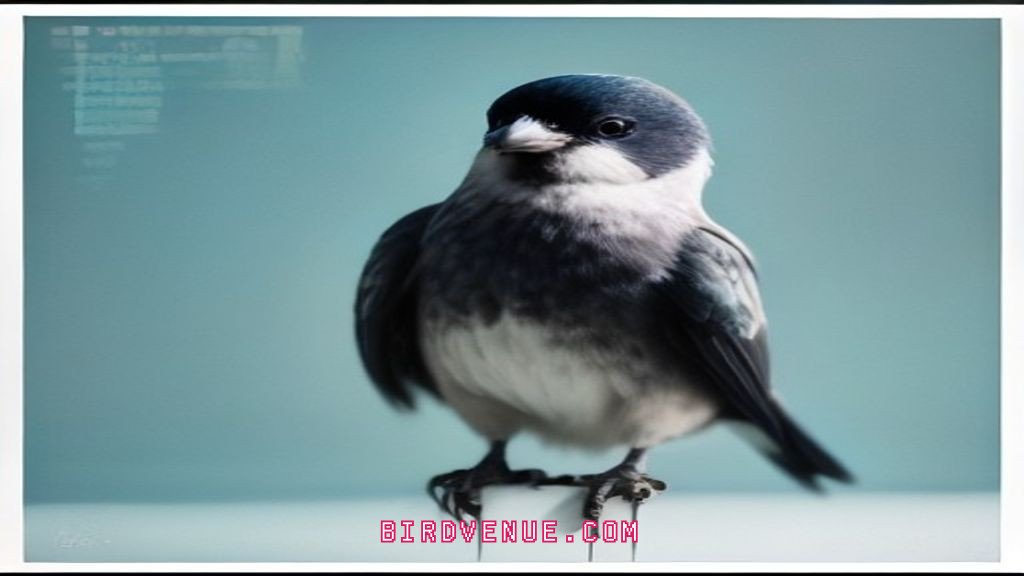
Every bird fluffs up to warm up or nap. That’s normal. But a bird that sits fluffed for hours, with her head tucked and her body low on the perch, is conserving energy because she feels awful. Add a hunched back and closed eyes, and you’re looking at a bird that’s actively sick.
What to do: Move her to a quiet, warm room (85-90°F) to reduce the energy cost of staying warm. Offer easy-to-eat foods like warm mash or soaked pellets. Call your vet the same day; don’t wait to see if she perks up tomorrow.
2. Tail Bobbing at Rest
A bird’s tail moves slightly with each breath. But if you see the tail dip noticeably up and down with every exhale while she’s sitting still, that’s labored breathing. It means her respiratory muscles are working overtime, which points to a lung, air sac, or heart issue.
What to do: This is an emergency. Respiratory distress in birds escalates fast. Keep her warm, minimize stress, and get her to an avian vet immediately. Do not try home remedies or nebulizers without veterinary guidance.
3. Changes in Droppings
You should know what your bird’s normal poop looks like. Healthy droppings have three parts: a dark solid (feces), a white/cream portion (urates), and a clear liquid (urine). Red flags include:
- Blood (bright red or dark tarry black)
- Undigested food in the feces
- Urates that are yellow or green (liver issues)
- A sudden increase in urine volume (kidney or drinking problems)
- No droppings at all for 12+ hours (blockage or anorexia)
What to do: Put down fresh paper in the cage so you can monitor each dropping. Take a photo to show your vet. If you see blood or no droppings at all, call the vet right away.
4. Reduced Appetite or Weight Loss
Birds have high metabolisms. A small parrot can lose critical body condition in 24-48 hours without food. If your bird is eating less, or you notice her keel bone (the breastbone) feels sharper than usual, she’s losing weight.
What to do: Weigh your bird daily on a kitchen scale in grams. A 5-10% weight loss from baseline is a medical emergency. Offer high-calorie foods like cooked oats, sweet potato, or seed paste to encourage eating while you arrange a vet visit.
5. Sudden Behavior Changes
A friendly bird that starts biting, a quiet bird that becomes vocal, or an active bird that sits still for hours. These shifts are often the first clue that something’s off internally. Birds can’t tell you where it hurts, so they show you through behavior.
What to do: Keep a log of when the change started and any other symptoms that appear. Even if she seems fine otherwise, a sudden personality shift warrants a checkup, especially in older birds.
6. Discharge From Eyes or Nostrils
Clear discharge might be allergies or dust, but thick, colored, or crusty discharge around the nares (nostrils) or eyes means infection. Swollen, half-closed eyes with discharge often indicate sinusitis or a respiratory infection.
What to do: Gently clean the area with a warm, damp cloth. Do not use over-the-counter eye drops meant for mammals. A vet needs to culture the discharge to pick the right antibiotic.
7. Vomiting or Regurgitation
There’s a difference. Regurgitation is a head-bobbing motion where food comes up and is often fed to a mate or mirror, and it’s normal bonding behavior. Vomiting is forceful, involves fluid, and the bird shakes her head to fling the liquid. Vomiting is a serious sign of infection, poisoning, or organ disease.
What to do: Remove any food that might be spoiled or toxic (avocado, chocolate, caffeine). Keep the bird warm and hydrated. Call your vet immediately; vomiting dehydrates birds very quickly.
8. Changes in Vocalization
If your parrot stops talking, or your canary stops singing, pay attention. A sudden loss of voice or a raspy, strained sound can indicate an infection, a respiratory issue, or even a mass pressing on the syrinx (the bird’s voice box). Conversely, constant screaming or wheezing can mean distress or pain.
What to do: Listen carefully to the quality of the sound. Record it on your phone to play for your vet. If the change comes with any breathing difficulty, treat it as an emergency.
9. Sitting on the Cage Floor
Birds perch. That’s what they do. A bird that spends time on the bottom of the cage, especially if she’s reluctant to move, is too weak to climb or hold onto a perch. This is one of the most alarming signs because it indicates significant weakness.
What to do: Move the food and water dishes down to floor level so she doesn’t have to exert herself. Check for leg injuries or paralysis, but assume systemic illness until proven otherwise. Call your vet now.
10. Seizures or Tremors
Seizures in birds look like uncontrolled wing flapping, falling over, or paddling feet. Tremors (shaking) can be a sign of hypocalcemia (low blood calcium), heavy metal toxicity (often from chewing on zinc or lead), or a neurological issue.
What to do: Remove anything toxic from the cage (new toys with metal bells, galvanized wire). Wrap the bird gently in a towel to prevent injury during the seizure. This is a critical emergency, so go to the vet immediately.
Quick Reference: What to Do First
| Warning Sign | Urgency Level | Immediate Action | Vet Visit Needed? |
|---|---|---|---|
| Fluffed feathers, hunched | High | Provide warmth, reduce stress | Yes, same day |
| Tail bobbing at rest | Critical | Keep calm, warm, minimize handling | Emergency |
| Abnormal droppings (blood) | Critical | Photo the droppings, check food intake | Emergency |
| Reduced appetite | High | Weigh bird, offer high-calorie foods | Yes, within 24h |
| Behavior change | Medium | Log symptoms, observe for other signs | Yes, schedule checkup |
| Eye/nostril discharge | High | Clean gently, avoid OTC meds | Yes, same day |
| Vomiting (not regurgitation) | Critical | Remove toxic foods, keep hydrated | Emergency |
| Vocalization change | Medium | Record sound, check breathing | Yes, soon |
| Sitting on cage floor | Critical | Move food/water down, check for injury | Emergency |
| Seizures or tremors | Critical | Wrap in towel, remove toxins | Emergency |
What to Do While You Wait for the Vet
You’ve spotted a sign, and you’re waiting for your appointment. Here’s how to make your bird as comfortable as possible without making things worse.
- Keep the cage in a warm, quiet room. Aim for 85°F, especially for smaller birds.
- Provide easy access to food and water at perch level or floor level. Add electrolytes to the water if you have them, but don’t force-feed.
- Don’t medicate with anything from your medicine cabinet. Bird metabolism is different; a drop of human ibuprofen can kill a small parrot.
- Minimize handling. Stress suppresses the immune system further. Let her rest.
- Isolate her from other birds if you have more than one, and watch the others for signs. Some diseases like PBFD or chlamydiosis are highly contagious. If you’re dealing with a flock situation, stress reduction techniques can help, but only after the sick bird is separated.
Monitoring at Home: When It Makes Sense
Not every sick bird needs a $2,000 hospital stay. For chronic conditions like heart disease or obesity in larger parrots, home monitoring is becoming more common. That’s where a multi-parameter device like the SINOHERO Veterinary Monitor comes in. It tracks ECG, respiration, blood pressure, and oxygen saturation, which are the same vitals a vet checks. It’s not a replacement for a diagnosis, but it lets you spot a downward trend before it becomes a crisis.
The 10.1-inch touchscreen makes it easier to read waveforms than fiddling with a smartphone app, and it’s built for larger patients, not finches. If you have a grey parrot, a macaw, or a large breed of poultry, this kind of gear turns guesswork into data. Most owners don’t need it, but if your vet has diagnosed a chronic issue, ask if home monitoring would help.
Prevention Beats Treatment
The best way to avoid the panic of a sick bird is to stop problems before they start. That means a clean cage, a varied diet (pellets plus fresh veggies, not just seeds), and daily observation. Weigh your bird weekly. Change cage paper daily. Quarantine any new bird for 30-45 days before introducing them to your flock, and always wash your hands after handling other birds at a pet store or fair.
Knowing the behavioral baseline of your specific bird is the single most useful tool you have. A change in routine is the first red flag. If you know what’s normal, you’ll spot the abnormal fast.
Frequently Asked Questions
How can I tell if my bird is just tired versus actually sick?
Tired birds still react to stimuli. If you walk into the room and she perks up, moves, or vocalizes, she’s probably fine. A sick bird won’t respond to noise or movement, stays fluffed, and won’t eat even when offered a favorite treat. That lack of response is the key difference.
Can a sick bird get better on its own?
Rarely. Birds hide illness until they’re near collapse, so by the time you notice, the disease has progressed. A mild case of digestive upset might resolve, but bacterial infections, fungal issues, and organ disease will not. Waiting costs you time and your bird’s life.
What temperature should I keep a sick bird’s room?
Aim for 85-90°F (29-32°C). This reduces the metabolic cost of maintaining body temperature, letting her energy go to fighting the illness. Use a heat lamp or space heater, but make sure she can move away from the heat source if she gets too warm.
Is it safe to give my bird over-the-counter antibiotics from the pet store?
No. Most are ineffective against avian bacteria and some are toxic. You can’t know the right drug or dose without a culture. Giving the wrong antibiotic can create resistant bacteria and make the infection worse. Get a proper diagnosis.
How do I find a good avian vet in an emergency?
Call your regular vet first; if they don’t treat birds, ask for a referral. Search the Association of Avian Veterinarians directory online. Have a backup clinic in mind before you need it. In a true emergency, any vet can provide oxygen and fluids to stabilize your bird while you travel to a specialist.
Your Action Plan for the Next 24 Hours
You don’t need to become a veterinary expert overnight. You just need to be observant and act fast. Here’s the short version:
- Weigh your bird today and write it down. Buy a cheap kitchen scale if you don’t have one.
- Take a photo of your bird’s droppings every morning for a week to learn what’s normal.
- Look up the nearest avian vet and save the number in your phone right now.
- Check the cage for hazards: loose threads, metal bells with zinc, avocado pits, or scented candles nearby.
- If you see any of the 10 signs above, isolate the bird, provide warmth, and call the vet. Don’t wait overnight.
- Consider a home monitoring device only if your vet recommends it for a chronic condition, not as a substitute for professional care.
- Trust your gut. You live with this bird. If you think something’s wrong, you’re probably right.
Your bird depends on you to notice what she can’t say. A few minutes of daily observation is a small price for years of chirping, cuddling, and antics. Stay sharp, act early, and you’ll both be fine.