
You’re looking at one of the most intelligent creatures in the avian world. The African Grey Parrot isn’t just a pet; it’s a cognitive powerhouse wrapped in grey feathers. Its reputation for mimicry and speech is legendary, but that’s just the surface. These birds don’t just copy soundsthey often use words with apparent understanding and context.
This intelligence means owning one is a serious commitment. Their vocal learning ability is profound, rivaling that of a young child. For anyone starting this journey, a structured approach is key. Many successful trainers begin with a foundational resource, like the highly regarded Parrot Training A guide, which offers science-backed methods for communication and bonding.
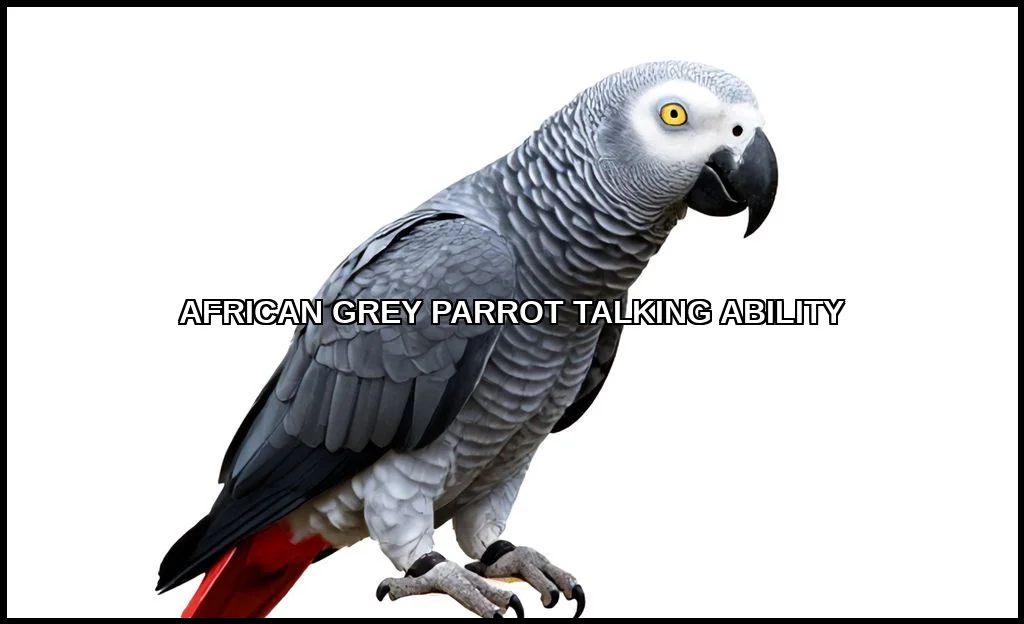
When Do African Greys Start Talking? The Age & Timeline
So, at what age do African Grey parrots start talking? Patience is your first lesson. Unlike some birds that may chatter quickly, Greys are methodical learners. They spend months listening and processing before they ever utter a clear word.
Most Congo African Greys begin experimenting with speech between 12 and 18 months. Timneh Greys often start a bit earlier, sometimes around 9-12 months. This initial stage involves mumbled sounds, clicks, and attempts at household noises. Clear, distinguishable words typically emerge between 18 months and two years of age.
Think of their first two years as a silent absorption phase. They are building their mental library. Rushing them or showing frustration can be counterproductive. Their timeline is a feature, not a bugit reflects the depth of their cognitive processing.
Factors That Influence the Talking Timeline
- Individual Personality: Just like people, some are naturally more vocal and bold.
- Social Environment: A parrot immersed in a talkative, interactive home will often start sooner.
- Health and Diet: Proper nutrition supports neurological development, crucial for speech training.
How to Teach Your African Grey to Talk: Effective Training Methods
Wondering how to teach parrot to talk? It’s less about formal drills and more about integrated, positive interaction. Your goal is to make talking a rewarding and fun social activity.
Core Principles of Parrot Speech Training
- Start Simple and Consistent: Choose 2-3 short, clear words or phrases. “Hello,” “Good,” and their name are perfect starters. Repeat them with enthusiasm in a quiet setting.
- Use the Power of Association: Say “Good morning!” when you uncover their cage. Say “Apple” when you offer a piece. This links words to specific actions or objects, laying groundwork for understanding.
- Employ Positive Reinforcement: The moment they attempt a sound, even poorly, reward them. Use a favorite treat, head scratches, or verbal praise like “Good bird!” This is the engine of learning.
- Keep Sessions Short and Sweet: Five to ten minutes, a few times a day, is far more effective than one long, tedious session. End on a positive note.
Remember, quality interaction trumps quantity of words. For more nuanced parrot speech training tips, exploring dedicated resources can provide a significant advantage. The methods in guides like Parrot Training A emphasize this relationship-based approach.
What Impacts an African Grey’s Talking Ability?
Not every African Grey will become a chatterbox with a 500-word vocabulary. Several key factors shape their avian intelligence speech potential.
Gender: Are Male or Female African Greys Better Talkers?
This is a common debate. Anecdotal evidence often suggests males are more prolific talkers. However, no conclusive scientific study proves one sex has superior vocal learning hardware. Individual personality and environment are far greater predictors. Some of the most famous talking Greys, like Alex studied by Dr. Irene Pepperberg, have been males, but brilliant females certainly exist.
The Role of Environment and Social Bonding
This is the biggest variable you control. A stressed, bored, or isolated parrot will not be motivated to speak. Your Grey needs:
- Mental Stimulation: Puzzles, foraging toys, and training games.
- Social Integration: Being part of daily household activities.
- A Stress-Free Zone: A consistent routine, proper sleep (10-12 hours), and a safe cage location.
If you’re wondering how to encourage an African Grey to talk more, look first to its overall well-being. A happy, engaged bird is a chatty bird. Ensuring their physical comfort is part of this; for instance, choosing the best travel carrier reduces stress during vet visits or trips.
Inherent Individuality
Some Greys are simply observers, content to listen. Others are performers. Respecting their innate disposition is crucial. Forcing speech can damage your bond.
African Grey Vocabulary and Comprehension: Beyond Mimicry
This is where the African Grey truly separates itself. Their mimicry ability is precisethey can replicate doorbells, microwave beeps, and specific human voices with uncanny accuracy. But the magic is in their potential for referential communication.
How Many Words Can an African Grey Parrot Learn?
The recorded African grey vocabulary size is staggering. While an average, well-socialized pet might learn 50-200 words and sounds, exceptional individuals have exceeded 1,000. The famous Alex identified colors, shapes, quantities, and materials. He used phrases like “I want X” and “Wanna go Y,” demonstrating functional language use, not just repetition.
This gets to the heart of parrot talking vs. understanding. A Grey may learn “water” and say it when thirsty. Another may say “Look at the pretty bird!” when seeing a mirror. This suggests associative learning and possible semantic understanding, a topic explored in depth by avian cognition researchers. For a comprehensive look at their care and cognitive needs, this authority guide is an excellent official source.
How Does the African Grey Compare to Other Talking Parrots?
They are consistently ranked among the best talking bird species. But how do they stack up against other talented talkers?
| Species | Speech Clarity | Vocabulary Potential | Notable Trait |
|---|---|---|---|
| African Grey (Congo & Timneh) | Exceptional, human-like | Very High (100s+ words) | High comprehension potential, cognitive ability |
| Yellow-naped Amazon | Excellent, clear | High | Musical, loves to sing |
| Eclectus Parrot | Very Good | Moderate to High | Clear voice, often softer spoken |
| Budgerigar (Budgie) | Good (can be fast/high) | Surprisingly High (100s) | Smallest bird with largest recorded vocabulary |
The Grey’s edge isn’t just in volume or clarity. It’s in the depth of cognitive processing behind the speech. While an Amazon may sing a song perfectly, a Grey might learn to associate that song with a specific person or time of day. The Congo African grey talking style is often described as more contextual, while the Timneh grey talking ability may involve slightly earlier speech development and a propensity for learning sounds and effects.
Fostering a Talkative and Happy Companion
Your African Grey’s African grey parrot speech journey is a lifelong dialogue. It begins with trust and is built on consistent, positive interaction. Don’t measure success solely by vocabulary count. Celebrate the first mumbled “hello,” the perfect imitation of your laugh, the appropriate use of “night-night.”
Focus on creating a rich environment. Talk to them constantly. Describe your actions. Read books aloud. This constant auditory input is their classroom. Remember, their ability is a mirror of the mental and emotional investment you make. The reward is a unique interspecies bond, one where communication forms its foundation. That’s the real magic of living with an African Grey.
