
You’ve probably seen the videos. An African Grey parrot perfectly mimicking a microwave beep, a ringing phone, or even holding a simple conversation. It’s not magic. It’s a fascinating combination of unique biology and remarkable intelligence. Understanding how these birds talk isn’t just a party trick; it’s the key to building a deeper, more meaningful relationship with your feathered companion.
Their reputation as the ultimate talking parrot is well-earned. But what truly sets them apart? It goes beyond simple mimicry. An African Grey’s ability involves comprehension, context, and a social drive to connect. Let’s explore the science and the practical steps you can take to nurture this incredible talent.
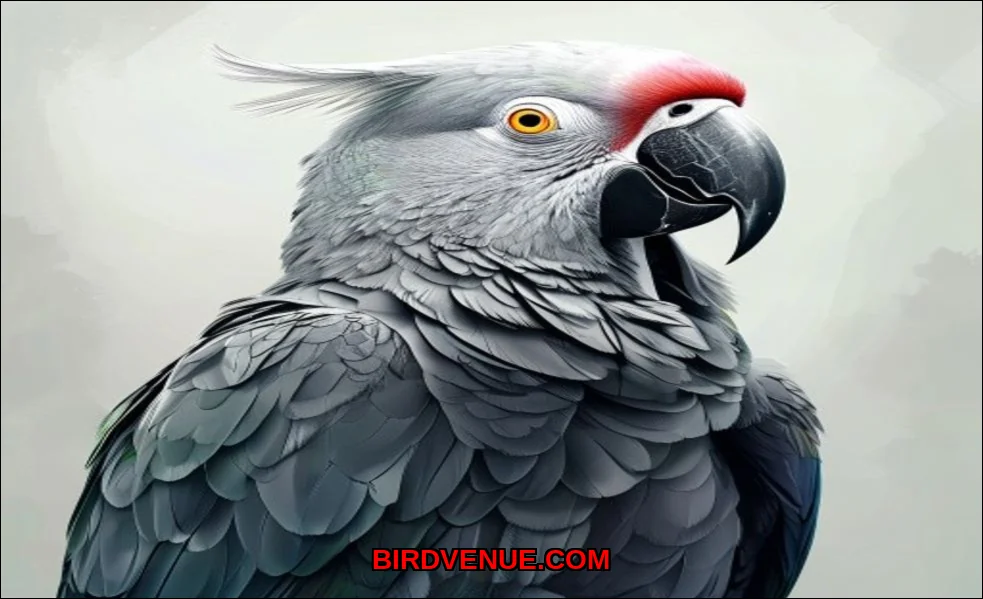
What Makes the African Grey Parrot Such a Prolific Talker?
The foundation of an African Grey’s speech lies in two core areas: a specialized vocal anatomy and a brain that rivals that of a young child. The species, scientifically known as Psittacus erithacus, is divided into two main subspecies: the larger Congo African Grey and the slightly smaller Timneh African Grey. Both possess the same fundamental tools for vocal mastery.
Unlike humans who use a larynx, parrots have a unique organ called a syrinx. Think of it as a sophisticated, dual-chambered instrument at the base of their trachea. This allows for incredible control and the production of two sounds simultaneously. The precision comes from finely tuned syringeal muscles, which an African Grey can manipulate with astonishing dexterity to replicate almost any sound it hears with uncanny accuracy.
This physical ability is supercharged by their cognitive power. Research, most famously with Dr. Irene Pepperberg’s subject Alex, has shown African Greys can understand concepts like shape, color, number, and even the abstract idea of “zero.” This bird intelligence means their mimicry is often contextual. They don’t just say “hello” randomly; they learn to associate it with your arrival home. This cognitive leap from repetition to association is what makes their speech so compelling.
How Do African Greys Learn to Talk? The Science of Mimicry
At its heart, an African Grey’s speech is a profound form of social mimicry. In the wild, flock members learn distinct contact calls to identify their group. Your home becomes their flock, and they learn your “calls”your words, laughs, and household soundsto bond and integrate. This process of vocal learning is rare in the animal kingdom, shared only with a few species like songbirds, hummingbirds, and humans.
They learn through attentive listening and practice. You might hear your Grey mumbling softly before a word or phrase becomes clear. This is their rehearsal. Positive reinforcement is key. When they say “good morning” and you respond with excitement, attention, or a treat, they learn that this sound generates a desirable social reward. For structured training, many owners find success with a Getting Started Clicker. The clear, consistent sound of a clicker marks the exact moment of desired behavior, making it a powerful tool for shaping speech and other tricks.
Congo vs. Timneh: Is There a Difference in Talking Ability?
This is a common debate among parrot enthusiasts. Both subspecies are exceptional talkers, but subtle differences in personality often influence how their abilities manifest.
| Trait | Congo African Grey | Timneh African Grey |
|---|---|---|
| General Disposition | Often more cautious, sensitive; can be “one-person” birds. | Often described as more laid-back and adaptable to change. |
| Speech Onset | May start talking slightly later, often between 12-18 months. | Frequently begin vocal mimicry earlier, sometimes around 6-12 months. |
| Voice & Clarity | Known for incredible African Grey speech clarity and a wider, more tonal range. | Voice can be slightly huskier or softer, but still very clear. |
| Key Consideration | Individual personality is a far greater predictor of talking success than subspecies. A confident, well-socialized bird of either type will likely excel. | |
When comparing an African Grey vs Amazon talking, the key difference is often comprehension. While Amazons are fantastic, clear talkers, African Greys are more frequently documented using language with apparent understanding. It’s a nuanced distinction, but an important one in the world of parrot mimicry.
Practical Steps to Encourage Your African Grey to Talk
So, how to teach an African Grey parrot to speak clearly? It’s about environment, patience, and technique. Start by ensuring your bird feels safe, stimulated, and bonded with you. A stressed bird won’t be a chatty bird.
Creating the Right Learning Environment
- Focus on Social Interaction: Your Grey learns from you. Spend time talking directly to them every day. Use clear, enthusiastic speech.
- Start Simple: Begin with short, high-value words. “Hello,” “good,” their name, or “step up.” Repeat them consistently in context.
- Leverage Excitement: Use an excited, happy voice when saying the target word. They are drawn to sounds that convey emotion.
- Answer Their Sounds: When they mumble or attempt a word, respond as if they said it perfectly! This positive reinforcement is gold.
Structured Training Sessions
- Keep Sessions Short: 5-10 minutes, once or twice a day, is far more effective than an hour-long marathon.
- Eliminate Distractions: Train in a quiet room. Have their favorite treat ready as a reward.
- Be Consistent: Use the same word, in the same tone, with the same associated action or object.
- Record and Playback: Some owners have success playing clear, repeated recordings of target words when the bird is calm and alone.
Remember the individual personality variance. Some Greys are chatterboxes, others are more reserved thinkers. Never force it. The journey is as important as the destination. For more on how different parrots learn, this external resource on how parrots learn to talk and communicate offers excellent insights.
Beyond Words: Understanding African Grey Communication
While we focus on human speech, your African Grey is always communicating. Whistles, clicks, body language, and even eye pinning (the rapid dilation and constriction of their pupils) convey mood and intent. Paying attention to these cues makes you a better flock member.
At what age do African Grey parrots start talking? There’s a range. Some Timnehs may babble as early as 6 months, while many Congos start between 12-18 months. Don’t panic if your 1-year-old is quiet. They are listening and processing. How many words can an African Grey parrot learn? The African Grey vocabulary size can be staggering. Some studies suggest up to 1,000 words or more, with a functional understanding of many. It’s less about the count and more about the quality of interaction.
Their intelligence demands enrichment. Boredom can lead to behavioral issues like feather plucking. Invest in bird toys that challenge thempuzzle feeders, foraging toys, and destructible wood blocks. Avian enrichment isn’t optional; it’s essential for their mental well-being and creates a happy, receptive learner. For a different perspective on a talkative species, explore our guide on Quaker parrot talking ability and social behaviors.
Ultimately, nurturing your African Grey’s talking ability is about fostering a connection. It’s a dialogue. You provide the words, the love, and the stimulating environment. They provide the astonishing cognitive ability and the desire to join your flock. Celebrate every attempt, every mumbled word, every clear “hello.” It’s a testament to one of the most complex and rewarding relationships in the animal kingdom. For a deeper dive into the specifics of their training, our comprehensive resource on training techniques for African Grey parrot speech can be your next step.
