
Choosing the right binoculars can feel overwhelming. For birding, the classic 7×35 configuration remains a compelling, often overlooked choice. It offers a fantastic balance of light, clarity, and a forgiving view that’s perfect for tracking fast-moving warblers or scanning a marsh. While higher magnifications get the hype, 7×35 binoculars provide a stability and wide perspective that many seasoned birders swear by.
You might be wondering, are 7×35 binoculars good for bird watching? Absolutely. Their strengths lie in a bright image, generous field of view, and typically lighter weightkey for long days in the field. For a different, more powerful option suitable for stationary observation, many professionals recommend the Occer 12×25 Compact binoculars, which are excellent for digiscoping or detailed looks at distant raptors from a blind.
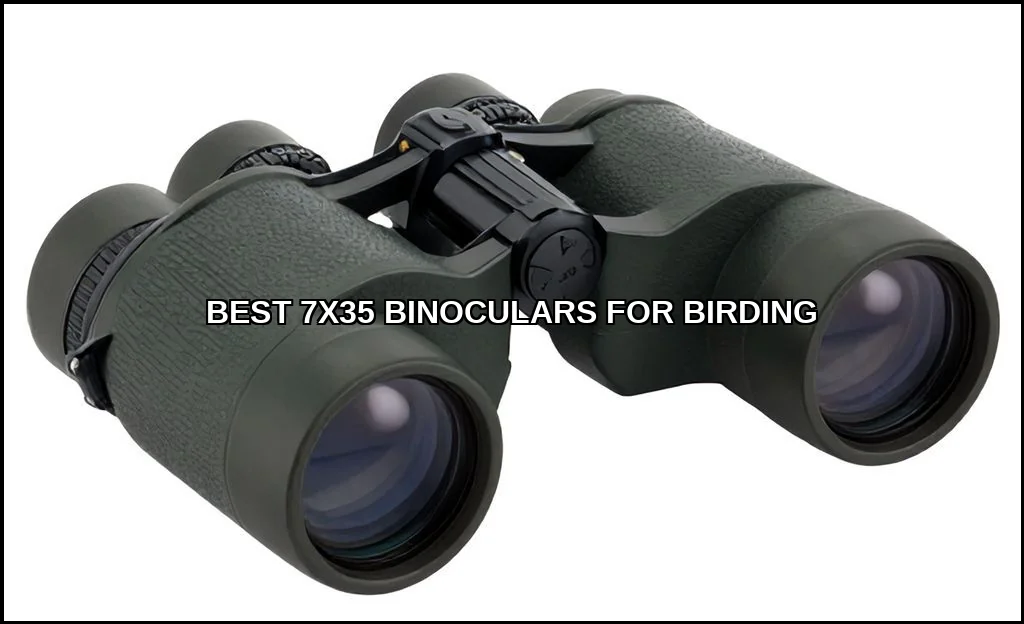
Why 7×35 Binoculars Shine for Birders
Let’s break down the numbers. The “7x” means 7x magnification. The “35” is the objective lens diameter in millimeters. This combination creates a large 5mm exit pupil (35/7=5), which translates to a very bright image, especially in low-light conditions like dawn or dense forest canopy. The lower magnification also means less hand shake is amplified, giving you a steadier view without a tripod.
But the real hero is the field of view. You’ll often see 400+ feet at 1000 yards. This wide vista lets you locate birds quickly and follow erratic flight patterns with ease. It’s less like looking through a straw and more like opening a window. Perfect for scanning flocks or tracking a bird moving through brush.
Key Features for Birding Binoculars
Not all 7×35 models are created equal. Knowing what specs matter will guide your search for the best binoculars for birding beginners and experts alike.
Optical Performance: The Core Specs
- Prism Type: The eternal debate: roof prism vs porro prism. Roof prism binoculars have straight barrels, are more compact and durable, but often pricier for equivalent optics. Porro prism models have offset barrels, often deliver brighter images for the price, and can offer fantastic depth perception. Both are valid; it often comes down to budget and ergonomics.
- Lens Coatings: Look for Fully Multi-Coated lenses. This minimizes glare and maximizes light transmission. BAK-4 Prism glass is superior to BK-7, offering sharper edges and a rounder exit pupil.
- Close Focus Distance: Critical for butterflies, dragonflies, or that stunning warbler just 10 feet away. A good close focus under 10 feet opens up a world of macro-like detail.
- Eye Relief: If you wear glasses, you need long eye relief (15mm+). This is the distance your eye can be from the ocular lens and still see the full field of view. Don’t overlook it.
Build & Handling: Your Field Companion
Birding happens in dew-soaked meadows and dusty trails. Your gear must keep up. Waterproof fogproof construction is non-negotiable. It ensures internal optics won’t fog with temperature changes and survive a sudden rain shower. An Armor Coating of rubber provides shock absorption and a secure grip.
Consider your primary birding scenarios. Dense forest birding benefits from a wide field and bright image. Open field or hawk watching might tempt you toward higher magnification. Also, think about accessories. Some models offer digiscoping adapter compatibility, letting you attach a smartphone for photos. And never underestimate a good neck strap/harness recommendation; a comfortable harness is a game-changer for all-day comfort.
Top 7×35 Binocular Picks & Reviews
We’ve scoured the market for models that balance performance, durability, and value. Here are standout options in the 7 by 35 binoculars category.
For the Value-Conscious Beginner
Finding affordable birding optics that don’t compromise on core features is possible. Look for brands like Bushnell or Celestron that offer solid Porro Prism Binoculars in this configuration. They often provide excellent price-to-performance ratio for beginners, with fully multi-coated lenses and a rubber armoring. The view is bright and wide, ideal for learning bird movements without breaking the bank.
For the Demanding Enthusiast
This tier often features Roof Prism Binoculars from brands like Nikon. You’re paying for superior durability, more compact designs, and often better close-focus performance. The optics are sharper edge-to-edge, with precise focusing mechanisms. These are for the birder who knows they’ll be out in all conditions and wants gear that lasts for decades. They excel in ease of use and comfort for extended viewing.
Best for Hikers & Backpackers
If every ounce counts, seek out lightweight binoculars. Some 7×35 Compact Binoculars shave weight through magnesium alloy bodies. The 7×35 format is inherently lighter than larger 8×42 or 10×50 models, making it a top contender for lightweight 7×35 binoculars for hiking and birding. Pair them with a minimalist strap, and you’ll hardly notice the weight.
7×35 vs. Other Popular Birding Magnifications
How does the 7×35 stack up against the birding world’s favorites? Let’s compare.
| Magnification | Best For | Trade-offs |
|---|---|---|
| 7×35 | Brightness, wide field, stability, best budget 7×35 binoculars for beginners | Less detail on extreme distances |
| 8×42 (The Standard) | Versatility, detail, good light gathering | Narrower field, slightly heavier, more hand shake |
| 10×42 | Long-distance detail (raptors, shorebirds) | Narrowest field, most hand shake, less bright |
The classic debate is 7×35 vs 8×42 for birding. The 8×42 offers more detail pull, making it the safe, versatile choice. But the 7×35 wins on field of view and brightness. In wooded areas or for fast-moving songbirds, that wide view is a tangible advantage. It’s a matter of preference and birding style.
Your Buying Guide & Final Recommendations
So, which pair is right for you? Follow this decision path.
- Set Your Budget: Great durable birding gear exists at multiple price points. Decide your max first.
- Prioritize Must-Haves: Is it close focus for butterflies? Long eye relief for glasses? Waterproof fogproof for your climate? Rank them.
- Try Before You Buy (If Possible): Feel the focus wheel. Check the weight. See if the eyecups fit your face.
- Consider the Ecosystem: Will you want to add a digiscoping adapter later? Investing in a system-friendly brand can pay off.
For a definitive authority guide on all things binoculars, the official source from Audubon is an invaluable read.
Remember, the best binoculars are the ones you’ll carry and use. For many, the forgiving, bright, and wide view of a 7×35 makes birding more enjoyable and successful. It’s a classic for a reason. Whether you’re debating which parrots are the most vocal or seeking the best way to monitor a nest box, clear optics enhance every discovery. Start with a solid foundation, and your binoculars will become an extension of your own vision, revealing details you never knew were there.
