
Choosing the right binoculars for birding feels like a rite of passage. You want something powerful, but not a burden. Something that brings the details of a warbler’s wing into sharp focus without weighing down your pack. That’s where the 8×25 configuration shines. These compact binoculars offer a fantastic balance of portability and performance, making them a top pick for beginners and seasoned birders on the move.
While 10×42 models get a lot of attention, an 8×25 pair is your ticket to spontaneous, all-day adventures. They slip into a jacket pocket, ready for anything from a city park stroll to a rugged hiking trail. For those prioritizing extreme portability and value, many birders looking for a capable starter pair consider options like the Occer 12×25 Compact. It’s a solid example of how modern optics pack serious features into a tiny frame, though the higher 12x magnification requires a steadier hand. Let’s dive into what makes the 8×25 format uniquely suited for birding.
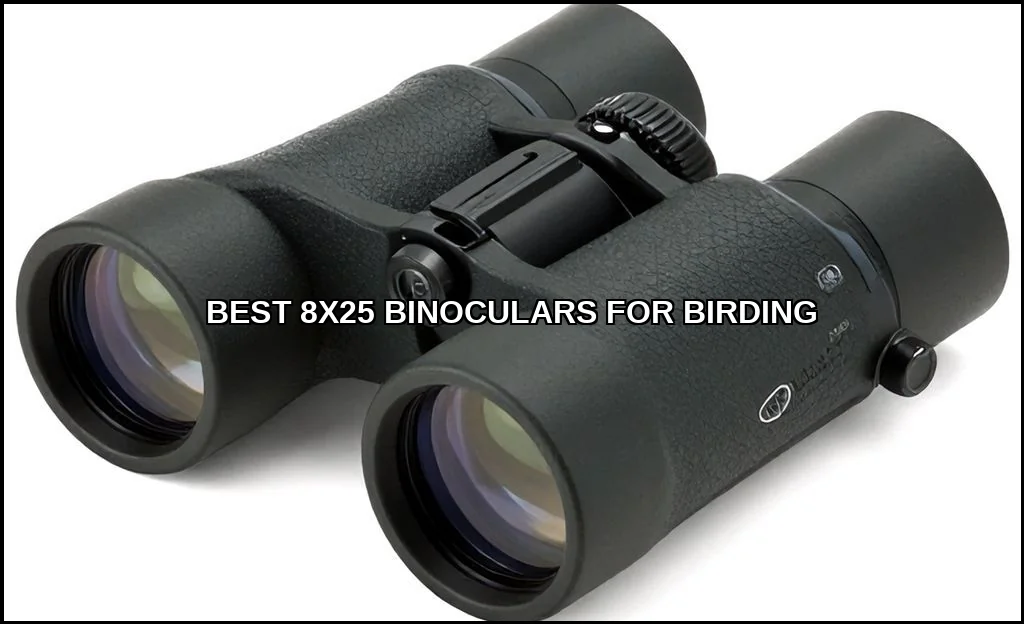
Why 8×25 Binoculars Are a Birding Secret Weapon
Think of 8×25 as the agile scout of the optics world. The “8x” magnification is steady and wide, perfect for tracking fast-moving birds in dense cover. The 25mm objective lenses keep the whole unit small. This isn’t just about size. According to the American Birding Association (ABA), compact binoculars encourage more frequent use because they’re always with you. You’ll spot more birds simply because you’re more likely to have your optics handy.
This format excels in specific scenarios. Warblers flitting in leafy canopies, sparrows in brushy fields, and songbirds at your feederthese are where 8×25 binoculars come into their own. The wider field of view compared to higher magnifications makes acquiring and following these quick subjects much easier. It’s a tool for active, immersive birding, not just distant observation.
Key Features to Look For in 8×25 Birding Binoculars
Not all compacts are created equal. To transform a good view into a great one, focus on these optical and physical specs.
Optical Performance: The Heart of the View
This is where the magic happens. Premium glass and coatings are non-negotiable for a bright, clear image.
- Fully Multi-Coated Lenses: Every glass-air surface must have anti-reflective coatings. This maximizes light transmission, which is critical for a bright image with smaller 25mm lenses. It’s the single biggest factor in optical quality.
- Prism Type: Most high-end compacts use roof prism designs for a slim, streamlined body. While porro prism alternatives can offer excellent value and depth perception, they are often bulkier.
- Field of View: Measured in feet at 1,000 yards, a wider field lets you see more of the scene without moving. Essential for scanning habitats and tracking birds in flight.
- Close Focus Distance: Can your binoculars focus on a butterfly six feet away? A short close focus distance opens up a world of macro nature observation alongside birding.
- Eye Relief: This is the distance from the eyepiece lens to your eye where you still see the full field. If you wear glasses, you need long eye relief (15mm or more) to see the entire picture. It’s a make-or-break spec for eyeglass wearers.
Durability, Build, and Feel
Birding happens in dewy mornings, dusty trails, and unexpected showers. Your gear must keep up.
Waterproof and nitrogen-purged construction prevents internal fogging, a must for any serious outdoor optic. The armor should provide a secure, non-slip grip. Weight is a primary advantage here; the best lightweight birding optics feel like an extension of your hands, not a chore to hold. Brands like Vortex build their reputation on this, backing it with unconditional warranties like their VIP program that competitors often highlight.
Top Picks: The Best 8×25 Binoculars for Birding Reviewed
We’ve evaluated models based on the criteria above, balancing optical specs, build quality, and value. Independent testing labs, like those used by SWAROVSKI OPTIK, emphasize consistency in resolution and color fidelityfactors we’ve considered.
1. The All-Rounder for Enthusiasts
A top-tier model from a brand like Nikon or Vortex often leads this category. Expect exceptional clarity, robust waterproof seals, and a price reflecting premium mid-range birding optics. The image is typically bright with true color reproduction, crucial for identifying subtle field marks. These are binoculars you buy once.
2. The Value Champion
Brands like Celestron offer impressive performance at a friendlier price point. You might find a model that’s fully multi-coated with a surprisingly good close focus distance. The trade-off often comes in ultimate low-light performance or slightly less rugged armor, but for daytime birding, they are phenomenal performers. Perfect for beginners testing the waters.
3. The Ultra-Light Specialist
These are the featherweights. Often constructed with advanced polymers, they can weigh under 10 ounces. Ideal for long hikes, travel, or as a secondary pair. The key is ensuring the lightweight build doesn’t sacrifice optical coatings or a stable grip. They answer the question: “are 8×25 binoculars good for low light conditions?” reasonably well for their size, but prioritize dawn and dusk performance in your decision.
4. The Eyewear-Friendly Model
Designed specifically with long eye relief and twist-down eyecups. If you wear glasses, this feature is not optional. Look for models explicitly marketed toward eyeglass wearers. They ensure you get the full, immersive view you paid for without pressing your frames against your face.
5. The Rugged Adventurer
Built to withstand bumps, drops, and extreme weather. These are the affordable waterproof 8×25 binoculars for hiking that you can trust in a downpour. The focus is on indestructibility alongside good optics, often featuring a rubber-armored, textured grip for use with gloves.
Buyer’s Guide: How to Choose Your 8×25 Binoculars
Decision time. Use this framework to match a pair to your personal birding style.
8×25 vs 10×42: The Classic Debate
This is the core choice. 8×25 binoculars are about portability and a wide, stable view. You’ll use them more often because they’re easier to carry. 10×42 models gather more light, offering better performance at dawn and dusk and for distant subjects, but they are heavier and bulkier. Ask yourself: Will I carry it every time? If the answer is yes, the 8×25 often wins.
Prioritizing Your Needs
Make a list. What matters most?
- Budget: Set a realistic range. Excellent options exist at various prices.
- Use Case: Backyard birding? Travel? Serious hiking? Your primary activity dictates the needed durability.
- Physical Needs: Do you wear glasses? Require an especially light pair? This narrows the field instantly.
Don’t forget to explore resources like the Audubon’s authority guide for broader comparisons. And while you’re gearing up, consider other ways to engage with birds, like setting up one of the best birdhouses to observe nesting behavior up close.
Testing Before Buying
If possible, handle them. Visit a local store during a birding festival or an Audubon Society event where gear is often on display. Check the focus wheel’s smoothness, the grip comfort, and the overall balance. Do the eyecups twist easily? Is the image sharp to the edge? Your hands and eyes are the ultimate judges.
FAQs About Using 8×25 Binoculars for Bird Watching
Are 8×25 binoculars good for beginner bird watchers?
Absolutely. They are among the best compact binoculars for bird watching beginners. Their lower cost, lightweight design, and ease of use lower the barrier to entry. You’re more likely to stick with the hobby if your tool isn’t a burden.
Can I use 8×25 binoculars in low light?
They have limitations. The 25mm objective lenses gather less light than larger models. They are superb in daytime and bright overcast conditions but will struggle in deep forest shade or at dusk. For primarily daytime birding, they are perfectly capable.
What should I pair with my new binoculars?
A good field guide app and a notebook are classic companions. For a more interactive experience, learning about vocalizations is key. Understanding which parrots talk, for instance, delves into avian intelligence and communicationa fascinating next step in your birding journey.
Is a warranty important?
For any optical gear used outdoors, a strong warranty is insurance. It speaks to the manufacturer’s confidence in their product. Brands that offer no-fault repair or replacement policies provide significant long-term value and peace of mind.
The search for the perfect binocular is personal. It’s about the marriage of optical science and human experience. For countless birders, the humble 8×25 format strikes that ideal balance. It’s the tool that gets used, the one that’s always in your bag or pocket, transforming an ordinary walk into a constant discovery. They prove that the best optics aren’t always the biggestthey’re the ones that seamlessly connect you to the wild world you want to see.
