
Bird watching is a gateway to a hidden world. The right pair of binoculars doesn’t just magnify an image; it opens a window. It transforms a distant speck into a vibrant, detailed creature with personality and behavior. Choosing your optics is the most personal and important decision a birder makes. For beginners seeking an affordable, easy start, the Occer 12×25 Compact is a popular entry point, offering high magnification in a pocket-friendly package.
This guide cuts through the jargon. We’ll explain what truly matters for birding optics, compare top brands, and help you find the perfect match for your eyes, your hands, and your budget. Whether you’re tracking warblers in dense foliage or scanning for raptors on coastal cliffs, your binoculars are your most trusted tool.
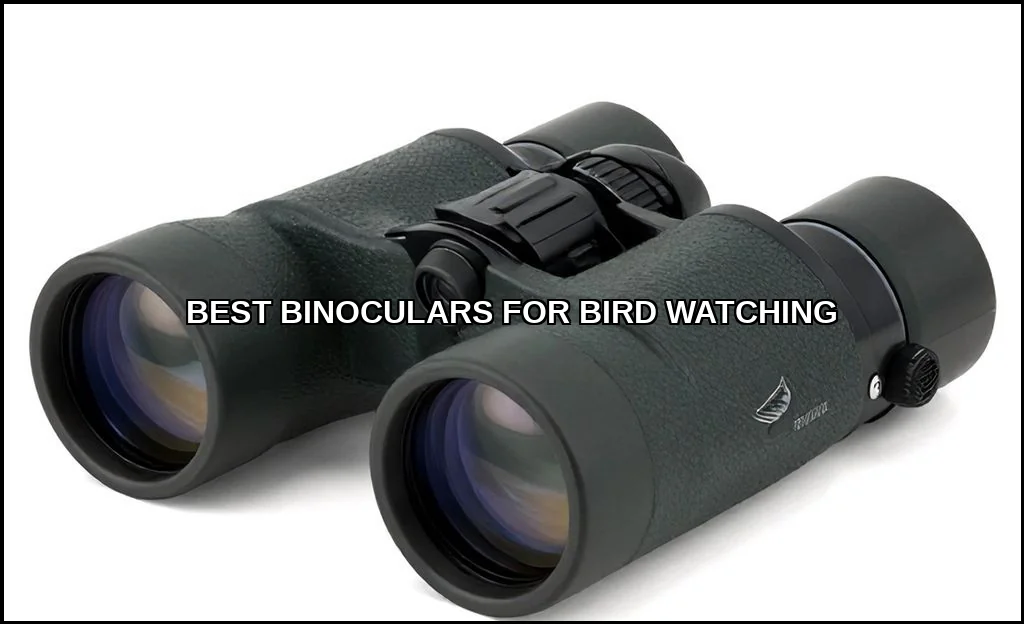
What Makes a Great Pair of Birding Binoculars?
It’s not about the highest numbers or the shiniest brand. Great bird watching optics feel like a natural extension of your vision. They disappear in your hands, letting you focus entirely on the bird. Key specifications work together to create this experience. Ignoring one can ruin the others.
Decoding the Numbers: Magnification and Objective Lens
The numbers on every binocular, like 8×42, tell you two critical things. The first is magnification (the “8x”). It tells you how many times closer the subject appears. For most birding, 8x or 10x is the best magnification for birds. Higher power (like 12x) magnifies your hand shake, making the image frustratingly shaky without a tripod.
The second number is the objective lens size (the “42”). This is the lens diameter in millimeters that gathers light. Larger lenses (42mm, 50mm) provide brighter images in low lightperfect for dawn choruses or forest understories. They are also heavier. Smaller lenses (25mm, 32mm) make for wonderfully lightweight birding gear but sacrifice some brightness.
- 8×32: Excellent all-around choice. Bright, wide field of view, lightweight.
- 10×42: The birding standard. Great for detail at longer distances.
- 8×42: Brighter than 8×32, very versatile. A top recommendation from the Cornell Lab of Ornithology.
Critical Features for the Field
Beyond the two main numbers, other features define quality. Close focus is the minimum distance at which you can focus. For butterflies, dragonflies, or admiring a nearby warbler, a close focus under 6 feet is a game-changer.
Field of view is the width of the area you see at 1000 yards. A wider field makes it easier to find and follow fast-moving birds. It’s often more valuable than extreme magnification. Then there’s eye reliefthe distance your eye can be from the ocular lens and still see the full image. The American Optometric Association notes that sufficient eye relief (15mm+) is critical for comfortable viewing, especially for eyeglass wearers.
Finally, durability matters. Waterproof binoculars filled with nitrogen or argon gas won’t fog internally. They are non-negotiable for coastal bird watching or any humid environment. A rubber armor coating protects against the inevitable bumps and drops.
Top Birding Binocular Picks for Every Budget
Based on extensive birding equipment reviews and brand reputation, here are standout models across price points. We’ve considered warranty, ergonomics, and optical clarity.
| Model | Specs | Best For | Price Tier |
|---|---|---|---|
| Vortex Diamondback HD | 8×42 or 10×42 | All-around excellence. Fantastic warranty. | Mid-Range |
| Nikon Monarch M7 | 8×30 or 10×42 | Optical sharpness and color fidelity. | Mid-Range |
| Celestron Nature DX ED | 8×42 | Budget-friendly with Extra-low Dispersion glass. | Budget |
| Swarovski EL (or similar alpha brand) | 8.5×42 | Premium, lifetime optics. Unmatched brightness. | Premium |
| Compact Option (e.g., Zeiss Terra ED) | 8×25 | Hiking and birding where weight is key. | Mid-Range |
Notice the prevalence of roof prism binoculars in this list. Their straight-barrel design is more compact, durable, and easier to seal for waterproofing than traditional porro prism designs, making them the modern standard for serious birding optics.
Your Personal Buying Guide: Matching Binoculars to Your Birding
Your ideal pair depends on your needs. Let’s move beyond specs and into practical life.
For the Beginner Birder
Start simple. An 8×42 in the $150-$300 range from a reputable brand like Nikon or Celestron is perfect. You get forgiving eye placement, a bright image, and durable construction. Don’t overthink it. The goal is to fall in love with the hobby, not the technology. Resources like the Audubon Society’s authority guide are invaluable for bird watching beginners.
Considering Your Birding Environment
Your local habitat dictates needs. Watching tiny, fast-moving warblers in dense brush? Prioritize a wide field of view and fast focus. Scanning vast wetlands for eagles or shorebirds? A 10×42 might be your best bet. For backyard birding where comfort is key, consider larger objectives (50mm) for a brilliant, immersive view from your window.
Ergonomics: The Forgotten Spec
How the binoculars feel is critical. If you wear glasses, check eye relief specs. For smaller hands, a slimmer barrel or a compact model prevents fatigue. The focus wheel should turn smoothly under your finger. This is where in-person handling, if possible, beats any online review. It’s a deeply personal fit.
And while you’re setting up your perfect birding station, don’t forget to provide for your feathered visitors. Check out our guide to the best birdhouses with cameras for a unique perspective.
Pro Tips and Maintaining Your Investment
Great ornithology binoculars are a long-term investment. Protect them.
- Use the Neck Strap (Properly): Thread it through both attachment points. A sudden drop onto rocks is a heartbreak you can avoid.
- Lens Care is Sacred: Use a soft brush first to remove dust. Then, use lens-specific fluid and microfiber cloth. Never use your shirt or tissues.
- Store Them Smartly: Keep them in their case in a dry place. Avoid leaving them in a hot car, which can damage seals and optics.
Your technique matters too. Plant your elbows against your chest for stability. Find the bird with your naked eye first, then bring the binoculars up to your eyes. Practice makes perfect.
As seasons change, so do birding needs. In winter, a reliable water source is crucial for survival. Explore our picks for the best heated bird baths to support your local birds year-round.
The journey into birding is a continuous discovery. Your first pair of binoculars is a key that unlocks a lifetime of wonder. Focus on optical quality, a comfortable fit, and ruggedness. Trust brands that stand behind their products with strong warranties. Now, get outside. The birds are waiting.
