
Finding the right binoculars for birding and wildlife doesn’t require a second mortgage. The sub-$300 market is packed with serious optics that deliver performance far beyond their price. You can get excellent glass, durable builds, and features that make a real difference in the field. It’s about smart prioritization, not endless compromise.
For instance, if your primary need is a supremely portable option for day hikes and quick wildlife glimpses, the Occer 12×25 Compact is a standout. Its high 12x magnification in a tiny package is impressive, though remember that higher power can mean a shakier image without support. It’s a perfect example of a specialized, budget-friendly optic for specific use cases.
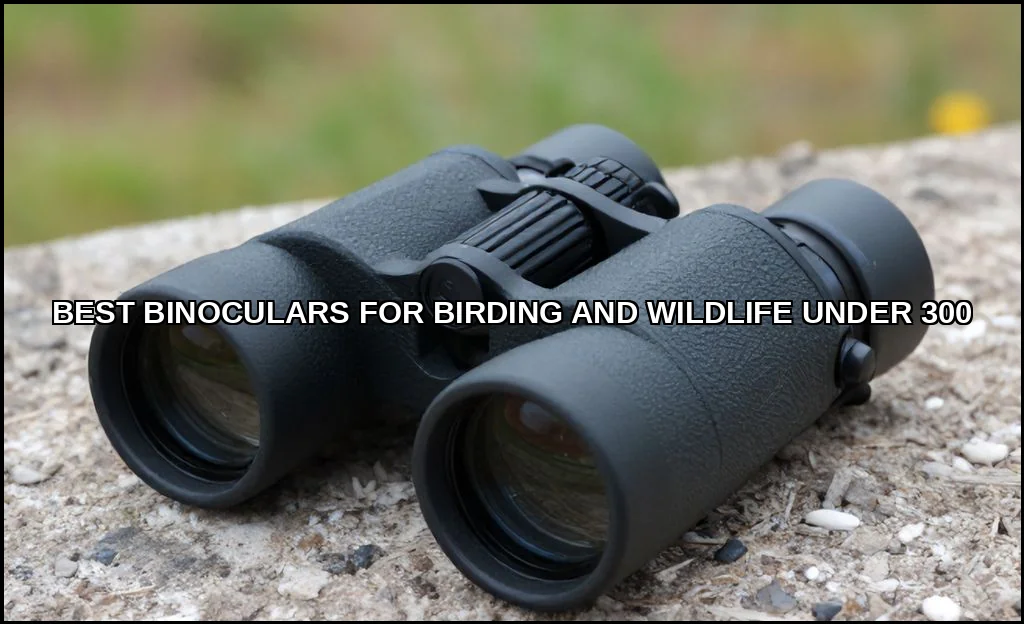
The Budget Birding & Wildlife Market
Gone are the days when “budget” meant blurry, dim images that ruined your experience. Brands are fiercely competing in this space, driven by advanced manufacturing and coatings trickling down from premium models. You’re no longer just buying a tool; you’re investing in a gateway to countless hours of discovery.
While giants like Vortex, Nikon, and Celestron dominate conversations, don’t overlook specialists like Kowa and Opticron. These European brands often bring exceptional optical quality to the mid-range binoculars segment, sometimes with a different approach to color fidelity and build. They’re worth a spot on your research list.
Key Features to Prioritize Under $300
With a finite budget, you must focus on what truly matters for observation. Sacrificing the wrong feature leads to frustration. Heres your checklist.
Optical Performance: The Non-Negotiables
This is where your money should go first. Look for fully multi-coated lenses. This means every air-to-glass surface has multiple anti-reflective coatings, maximizing light transmission for a brighter, clearer view. Phase correction coatings on roof prisms are also essential to prevent image washout.
Field of view is critical. A wider field makes it easier to locate and track fast-moving birds in dense foliage. Its measured in feet at 1,000 yards or degrees. For general birding, aim for a field of view over 300 feet.
Build & Ergonomics: Ready for the Real World
Your binoculars will face dew, rain, and dust. Waterproof fogproof construction is a must for any serious wildlife viewer. It ensures internal optics won’t fog from temperature shifts and can survive a sudden downpour. Rubber armoring provides a secure, quiet grip.
Eye relief is the distance from the eyepiece lens to your eye where you still see the full image. If you wear glasses, you need long eye relief (15mm+). This is a frequently overlooked spec that makes or breaks comfort.
Design Choices: Roof Prism vs Porro Prism
Most modern binoculars in this range use a roof prism design. They are streamlined, lighter, and easier to make waterproof. Porro prism binoculars have the classic offset barrel look. They can offer excellent depth perception and often provide more value optically at a lower cost, but are typically less compact and sometimes lack premium sealing.
The choice often comes down to portability versus pure optical value. For hiking and birding, the roof prism’s slimmer profile usually wins.
The Specialized Spec: Close Focus Distance
This is the minimum distance at which the binoculars can focus. A short close focus distance (under 10 feet is great) opens up a world of detail. You can study butterflies, dragonflies, or the intricate patterns on a nearby bird without disturbing it. It transforms your gear from just distance viewers to all-around nature optics.
Side-by-Side Comparison of Top Contenders
Let’s break down how some leading options stack up across key metrics. This table highlights the trade-offs you’ll encounter.
| Model | Magnification & Objective | Field of View (ft@1000yds) | Close Focus (ft) | Key Strength |
|---|---|---|---|---|
| Vortex Diamondback HD 8×42 | 8×42 | 330 | 5 | Unbeatable Warranty & All-Around Performance |
| Nikon Prostaff P7 8×42 | 8×42 | 367 | 8.2 | Superb Wide Field of View |
| Celestron Nature DX ED 8×42 | 8×42 | 388 | 6.5 | Exceptional Value with ED Glass |
| Opticron Adventurer T WP 8×42 | 8×42 | 336 | 6.6 | European Optical Quality on a Budget |
Detailed Reviews & Use Case Recommendations
The All-Around Champion: Vortex Diamondback HD 8×42
It’s a staple for a reason. The optics are sharp and bright, the build is rugged, and the Vortex VIP warranty is legendaryunconditional and transferable for life. Its 5-foot close focus distance is a standout feature. If you want one reliable pair for everything from backyard birds to mountain vistas, this is a top pick. Many ask, are Vortex Diamondback binoculars good for wildlife? The answer is a resounding yes; they are arguably the benchmark in this category.
The Wide-Angle Specialist: Nikon Prostaff P7 8×42
That massive 367-foot field of view is immediately noticeable. Scanning for movement in thickets or tracking flocks in flight feels effortless. The ergonomics are excellent, and Nikon’s lens coatings deliver a crisp, high-contrast image. It’s ideal for active birding in varied habitats where finding the target quickly is half the battle.
The Optical Value King: Celestron Nature DX ED 8×42
Celestron packs Extra-low Dispersion (ED) glass into this model, which significantly reduces chromatic aberration (color fringing). The result is stunning clarity and color fidelity that rivals more expensive bins. For the birder who prioritizes pure image quality above all else, this is arguably the best value binoculars under $300. It makes a fantastic choice for entry-level birding with a high-end view.
The Lightweight Hiker: Finding Lightweight Binoculars for Hiking and Birding
When every ounce counts, consider compact models (like the 8×25 or 10×28 configurations from the brands above) or porro prisms. The trade-off is a smaller exit pupil, making them less ideal in very low light, but their portability is unmatched for long trails. Always check the weight spec if this is your primary use.
Choosing the right magnification is part of this. Many experts suggest 8×42 as the ideal magnification for bird watching on a budget, offering a great balance of power, stability, and light gathering. 10x models show more detail but have a narrower field of view and amplify hand shake.
Buying Guide & Final Verdict
Your decision tree is simple. First, set your budget firmly. Under $300 gives you fantastic options. Second, handle them if you can. Ergonomics are personal. Third, match the tool to your most common task. Are you scanning wetlands or navigating forest trails?
Don’t forget accessories. A good, wide strap relieves neck strain. Lens cleaning kits protect your investment. And for attracting birds in the first place, consider the best birdhouses with cameras to complement your field observation.
For a deeper dive into optical science and advanced comparisons, the Audubon Society’s authority guide is an excellent official source.
So, what’s the final call? You cannot go wrong with the Vortex Diamondback HD for its warranty and all-weather reliability, or the Celestron Nature DX ED for its exceptional glass. For beginners wondering about the best binoculars for birding beginners under 300, either of these provides a flawless start. They remove technical barriers and let you focus on the wonder in front of you.
The real magic happens when you stop looking at the gear and start seeing the world it reveals. A hummingbird’s iridescent throat, an owl’s silent turn of its head, the intricate pattern on a sparrow’s wingthese details become yours. Quality affordable birding binoculars aren’t a limitation. They’re your ticket in.
And if your interest in birds extends beyond the field, you might enjoy learning about which parrots are the most vocal companions. It’s a different kind of observation altogether.
