
You’re glassing a distant ridge in the Rocky Mountains. A dark shape moves against the sagebrush flats. Is it a mule deer buck or just a stump? The right binoculars answer that question instantly. The wrong ones leave you guessing, wasting precious daylight and energy. In western hunting, your optics aren’t just gear; they’re your primary tool for finding and assessing game across vast, open country.
Success hinges on spotting animals before they spot you. This demands optics that deliver crystal clarity at long range, perform in dawn’s dim light, and survive alpine terrain and sudden storms. From elk in the timber to pronghorn on the prairie, your binocular choice directly impacts your hunt. For hunters on a tight budget or those needing a reliable backup, the Occer 12×25 Compact offers surprising performance in a tiny package, making it a solid entry point.
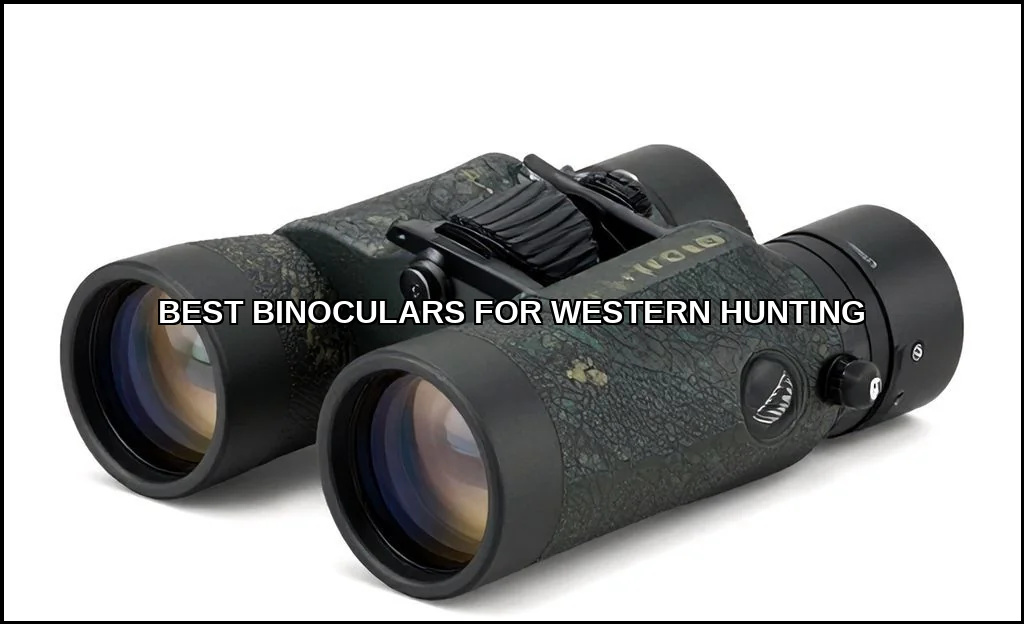
Key Features to Look For in Hunting Binoculars
Not all binoculars are created equal for the backcountry. You need a specific set of capabilities. Ignoring these specs is like heading into the mountains without a map.
Optical Specifications for Western Hunting
This is where the magic happens. Superior glass and coatings separate the contenders from the pretenders.
- Low Light Performance: The most critical factor. It’s determined by lens quality, prism type, and fully multi-coated lenses that maximize light transmission. At dawn and dusk, this is what lets you see.
- Field of View (FOV): Measured in feet at 1,000 yards. A wider FOV lets you scan large basins and sagebrush flats more quickly. Higher magnification typically narrows it.
- Eye Relief: The distance your eye can be from the ocular lens and still see the full image. Crucial for eyeglass wearers. Look for 15mm or more.
- Close Focus Distance: Handy for examining tracks, vegetation, or even detailed map reading in camp. Not just for birders.
Durability & Weatherproofing for Alpine Terrain
Western weather changes in minutes. Your optics must keep up.
Sealed, argon or nitrogen-purged housings prevent internal fogging during temperature swings. Rubber armoring provides a secure grip and protects against impacts. They should feel solid, not hollow. This rugged construction is non-negotiable for backcountry binoculars that face rain, snow, and the occasional drop onto rocks.
Magnification & Objective Lens Size: Finding the Sweet Spot
The numbers (e.g., 10×42) tell the story. The first is magnification (10x). The second is the objective lens diameter in millimeters.
For most western big game optics, 10×42 is the gold standard. It offers a great balance of power, light gathering, and stability. An 8×42 provides a wider field of view (FOV) and is easier to hold steady, ideal for thicker timber. Going to 12x or 15x? You’ll almost certainly need a tripod for a clear, shake-free image. That’s a key weight trade-off many forget.
Top Picks & Detailed Reviews
Heres a breakdown of top-tier categories. Your budget and hunting style will point you in the right direction.
Premium All-Around Performer
Brands like Swarovski and Vortex dominate this conversation for a reason. The Swarovski EL Range or Vortex Razor HD offer exceptional clarity, robust build, and, in some models, integrated laser rangefinders. You pay for perfection in glass and durability. For serious elk hunting binoculars, this investment can last a lifetime.
Best Value: Mid-Range Marvels
This is where the market is fiercely competitive. Leupold and Vortex’s Viper HD line shine here. You get 90-95% of the optical performance of the top tier at half the price. They feature fully multi-coated lenses, waterproof seals, and excellent warranties. The best choice for most hunters seeking high performance without a five-figure optics budget.
Lightweight & Packable Options
Every ounce counts when you’re miles in. Compact binoculars in an 8×32 or 10×32 configuration save significant weight and space. The trade-off is slightly reduced low light performance due to smaller objective lenses. For dedicated backpack hunting or as a secondary pair, they’re invaluable. It’s worth comparing them to high-quality monoculars for ultralight setups, too.
The Rangefinder Binocular Debate
Are rangefinder binoculars worth it for hunting? They combine two critical tools, saving time and weight. The advantage is seamless operation: spot, range, and judge in one motion. The downsides are increased cost, weight, and battery dependence. Check specific state regulations on electronic rangefinders, as some archery-only areas prohibit them.
| Type | Best For | Consideration |
|---|---|---|
| 10×42 Roof Prism | All-around western hunting | Ideal balance of power and light |
| 8×42 Roof Prism | Dense timber, wider FOV | Easier to hold steady off-hand |
| Rangefinding Binoculars | Open country, spot-and-stalk | Streamlines process, adds cost |
| Compact Binoculars | Backpack hunting, minimalists | Weight saver, smaller exit pupil |
How to Choose Based on Your Game & Terrain
Your quarry and its habitat should dictate your choice. This is where the nuance lives.
Elk in Timber and Meadows
You need binoculars that can pick out brown bodies in dark shadows. Low light performance is paramount. An 8×42 or 10×42 with superior coatings will serve you better than a higher-powered, lower-quality model. A wider field of view helps scan meadow edges quickly.
Mule Deer in Open Country
Here, long-range glassing is the name of the game. You’ll be scrutinizing distant ridges for hours. Higher magnification (10x or 12x) paired with a large objective lens (50mm) is common. This is where the role of tripods and stability becomes critical. Glassing from a tripod with high-magnification optics is a game-changer for mule deer glassing.
Alpine & Backcountry Hunts
Weight is your enemy. You must balance optical needs with packability. A lightweight 10×42 or a compact model might be the call. Durability is also key, as you’ll be dealing with rocks, weather, and rough handling. These alpine hunting optics need to be tough.
Care, Maintenance & Final Recommendations
Treat your binoculars like the precision instruments they are. Keep lens caps on when not in use. Clean lenses with a soft brush first, then use lens-specific fluid and cloth. Never use your shirt! Store them in a dry place. A quality harness, not a neck strap, protects them and makes them accessible.
So, what’s the final call? If budget allows, invest in the best 10×42 roof prism binoculars you can afford from a reputable brand like Vortex, Swarovski, or Leupold. Your time in the field is too valuable for mediocre glass. For those prioritizing weight, explore the best lightweight binoculars for backpack hunting. And remember, the best optics in the world are useless if you don’t know which animals to look for or how to glass systematically.
Test different models if possible. Look through them in low light. Feel their weight. Your perfect pair should feel like a natural extension of your vision, disappearing into the hunt itself. And for more foundational gear insights, this authority guide is an excellent official source. Now get out there, find a good vantage point, and start glassing. The mountains are waiting.
