
Birding has always been about the thrill of the sighting. That flash of color, the unique silhouette against the sky. Now, you can capture that moment instantly with your smartphone. This practice is called digiscoping, and it’s changing how we share and document our finds. Its more than just a photo; its proof of your discovery, a digital field note. For beginners looking for a simple, all-in-one solution, the Smithsonian ult Birding kit is a fantastic starting point. It bundles capable optics with a compatible phone adapter, letting you jump right into smartphone digiscoping without the guesswork.
The right gear makes all the difference. You need binoculars that excel in both visual observation and as a lens for your phone’s camera. This isn’t just about magnification; it’s about optical quality, stability, and seamless integration. Let’s break down what you need to look for to get the best results from your bird photography adventures.
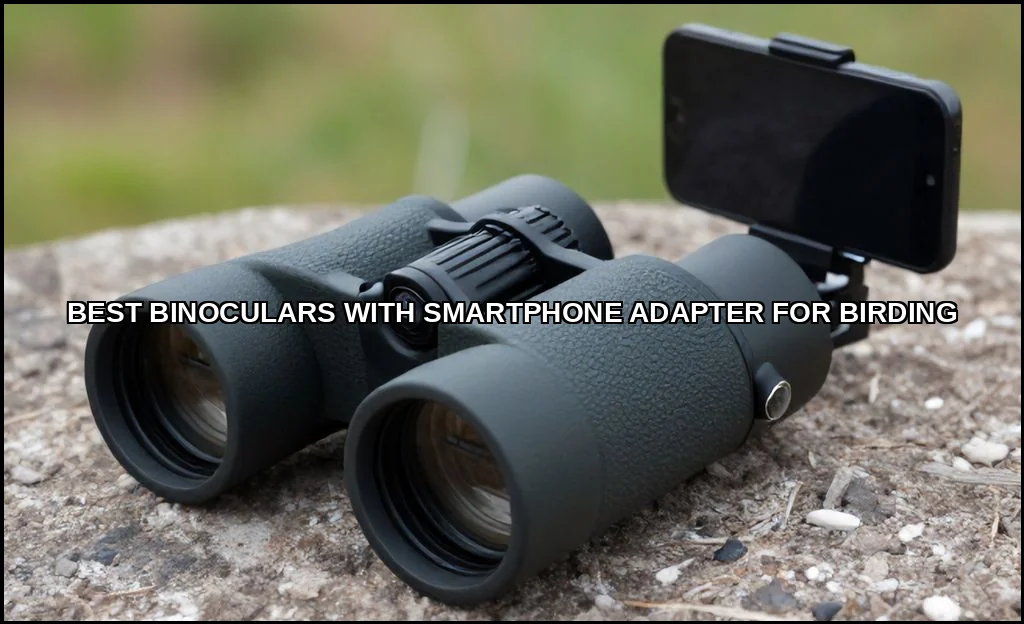
What Makes Great Birding Binoculars for Digiscoping?
Not all binoculars are created equal for this task. The specs that matter for steady viewing with your eyes become critical when you attach a phone. A shaky image is magnified tenfold on your screen. Here are the key features that separate good birding optics from great digiscoping binoculars.
Optical Quality is Non-Negotiable
This is the foundation. High-quality glass with fully multi-coated lenses ensures bright, clear, and color-accurate images. For bird identification, you need that clarity to see feather details and true colors. When you attach your phone, any optical flaw is captured permanently. Look for roof prism binoculars for a more compact, durable designthey’re the standard for serious birding.
- Magnification & Objective Lens: An 8×42 configuration is the sweet spot for most birders. The 8x magnification provides a steady view, while the 42mm objective lens gathers ample light for dawn and dusk outings.
- Close Focus Distance: This is crucial for smaller birds or detailed shots. A close focus of 6 feet or less lets you capture incredible detail on a nearby warbler or butterfly.
- Field of View: A wider field of view (FOV) makes it easier to locate and track fast-moving birds, both through the eyepiece and on your phone screen.
- Eye Relief: Longer eye relief (15mm+) is vital if you wear glasses, but it also ensures your phone adapter can be positioned correctly without vignetting (dark edges on the screen).
Smartphone Adapter Compatibility & Stability
The adapter is the bridge between your optics and your camera. Its design directly impacts your success. Competitors often gloss over the mechanics, but you should know them.
- Mounting Mechanism: Is it a universal clamp or a magnetic plate? Clamps offer broad compatibility but can be fiddly. Magnetic systems (where a plate sticks to your phone case) are faster to attach but require the plate to be always on your case.
- Tripod Mount: A built-in tripod socket on the binoculars is a game-changer. It allows you to mount the whole rig on a tripod for rock-solid stability, eliminating hand shake for crisp photos and video.
- Build & Adjustment: Look for adapters with fine-tuning knobs to perfectly align your phone’s camera lens with the binocular eyepiece. A poor alignment means a blurry image.
Durability for the Field
Birding happens in dewy mornings, dusty trails, and unexpected drizzles. Your gear must keep up. Waterproof and fogproof construction (often filled with nitrogen or argon) is a must. Rubber armoring provides a secure grip and protects against the inevitable bumps. These features are standard in brands like Vortex, Celestron, and Nikon.
Top Birding Binocular Kits with Phone Adapters
Heres a comparison of models that excel in bundled value or standalone performance, catering to different budgets and experience levels. This is where you find the top-rated birding binoculars with included phone adapter.
| Model / Category | Key Specs | Adapter Type | Best For |
|---|---|---|---|
| Beginner/Bundled Kit (e.g., Smithsonian ult Birding) | 10×42, Fully Coated, Included Adapter | Universal Clamp | New birders wanting an all-in-one solution for affordable binoculars with smartphone adapter for bird photography. |
| Mid-Range Performance (e.g., Celestron Nature DX) | 8×42, BaK-4 Prisms, ED Glass, Tripod Adaptable | Separate Purchase (often brand-specific) | Birders prioritizing optical quality who will buy a premium adapter separately. |
| Premium Compact Option | 8×32 or 10×28, Roof Prism, Lightweight | Magnetic or Slim Clamp | Travel and hike-focused birders where portability is key. |
Remember, the “best” choice depends entirely on your primary use. Are you a casual birder documenting backyard visitors, or a dedicated photographer chasing lifers? Your answer guides your budget. For more insights on gear that brings nature closer, check out our guide on the best birdhouses with cameras.
Mastering Your Phone Adapter for Stellar Bird Photos
You have the gear. Now, let’s use it effectively. This is where many budding digiscopers struggle. Following an authority guide is a great start, but here are the nuanced tips.
Setup and Alignment is 90% of the Battle
- Mount Securely: Attach your adapter to the binocular eyepiece first. Ensure it’s tight and won’t slip.
- Align the Camera Lens: This is the critical step. Slowly move your phone in the clamp until your camera’s primary lens is dead-center over the eyepiece. Use your phone’s live view to check for vignetting.
- Use a Tripod: For anything beyond a quick snapshot, use a tripod. Attach it via the binoculars’ socket, not the phone. This stabilizes the entire optical path.
Leverage Your Smartphone’s Camera
Your phone’s sensor quality directly impacts the final image. Modern smartphones have incredible computational photography. Use it.
- Manual Control Apps: Use apps like ProCam or Moment to manually set focus, ISO, and shutter speed. Lock the focus just past the binocular’s focal point for tack-sharp birds.
- Use the 1x Lens: Always use the main (1x) wide camera lens. The telephoto or ultra-wide lenses will not align properly and cause severe vignetting.
- Tap to Focus & Expose: On your screen, tap directly on the bird. This tells your phone where to prioritize focus and exposure, preventing a bright sky from turning your subject into a silhouette.
Your Buying Guide: How to Choose the Right Kit
Feeling overwhelmed? Let’s simplify the decision. This is your actionable how to choose binoculars with smartphone mount for bird watching checklist.
Ask Yourself These Questions:
- Budget First: Are you looking for a sub-$150 complete kit or investing $300+ in separate, higher-quality components?
- Primary Use: Casual documentation or serious photography? This dictates your need for tripod mounts and advanced optics.
- Phone Compatibility: Does the adapter fit your specific phone model, especially with its case on? Check the manufacturer’s specs.
- Hand Feel: If possible, try them. Do they balance well in your hands? Is the focus knob smooth and precise?
Value for money in bundled kits is excellent for beginners. But as your skills grow, you might upgrade components separatelya better adapter here, premium binoculars there. It’s a journey, much like learning the calls of different species. Speaking of species, ever wondered which parrots are the best talkers? It’s a fascinating offshoot of avian appreciation.
Final Recommendations
For the absolute beginner, a ready-made bundle like the Smithsonian ult Birding kit removes complexity. You get everything to start digiscoping this weekend.
For the committed birder, invest in a well-regarded mid-range binocular like a Vortex Diamondback or Celestron Nature DX with ED glass. Then, purchase a robust, adjustable phone adapter separately. This path offers superior optical quality and long-term satisfaction.
For the mobile minimalist, seek out high-end compact binoculars known for sharpness and pair them with a low-profile magnetic adapter. Every ounce matters on a long trail.
The fusion of traditional optics and smartphone technology has democratized bird photography. It’s no longer just for those with giant telephoto lenses. By understanding the interplay between optical quality, adapter stability, and your phone’s software, you can capture stunning images that do justice to the moment. Start with the right gear for your level, master the setup, and then just practice. The birds are waiting.
