
Winter transforms your backyard into a stark, frozen landscape. For birds, finding liquid water becomes a daily struggle for survival, often more challenging than locating food. A reliable water source can mean the difference between life and death for species like chickadees, cardinals, and blue jays that stick around through the cold months.
Choosing the right bird bath for cold climates isn’t just about aesthetics; it’s an act of crucial wildlife support. You need a solution that combats ice consistently, operates safely, and stands up to harsh conditions. For many, the answer is a dedicated heated model. A product like the Jvgoo Heated Bird bath, for instance, integrates heating directly into its design, offering a streamlined solution to the freezing problem.
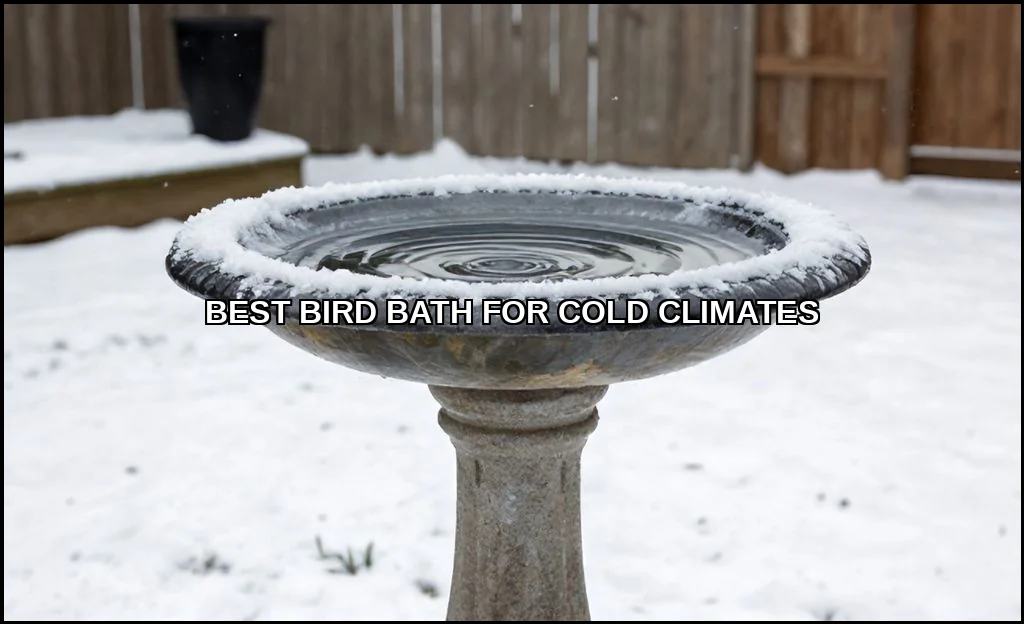
What Makes a Bird Bath Suitable for Cold Climates?
Not all bird baths are created equal when the mercury drops. The primary enemy is, of course, ice. A standard bath will freeze solid, becoming useless or even dangerous if birds attempt to drink from thin ice. The goal is to provide a consistent, safe water patch.
This requires a two-pronged approach: active heating and passive durability. The bath must either have a built-in heating element or be compatible with a separate bird bath heater or de-icer. Just as important, its construction must withstand repeated freeze-thaw cycles without cracking, warping, or degrading. You’re looking for frost-resistant materials that won’t become brittle.
Consider the local wildlife, too. Providing water supports resident species and migrating birds that may pass through. It’s a simple way to boost biodiversity in your winter garden. Always check local municipal regulations on outdoor electrical fixtures before installing any wired solutionsome areas have specific codes for grounded GFCI outlet use in damp locations.
Top Heated Bird Bath Features to Look For
When shopping for a heated bird bath for winter, the specifications matter. Heres what separates a good product from a great one that will last for seasons.
1. Intelligent Heating Control
The most important feature is a thermostatically controlled heater. This means the element only activates when temperatures approach freezing (usually around 35F), conserving energy and preventing the unit from running unnecessarily during warmer winter days. Its the core of any efficient bird bath for freezing temperatures.
- Wattage: Typically ranges from 60W to 150W. Higher wattage isn’t always better; it should be appropriate for the basin size and your climate’s average low temperature.
- Energy Efficiency: Look for models that boast good insulation (sometimes referenced by an R-value) around the heating element to direct warmth upward into the water.
2. Safety First Design
Water and electricity demand respect. Any electric heated bird bath must have built-in GFCI (Ground Fault Circuit Interrupter) protection, either in its cord or by mandating use with a GFCI outlet. This is non-negotiable. Brands like Farm Innovators and K&H Pet Products often integrate this safety feature directly into their plug.
3. Ease of Maintenance
Winter grime happens. A smooth, non-porous surface is easier to scrub clean. Some models feature removable heating elements or basins that simplify end-of-season storage. For a deeper dive into top-performing models, our guide to the best heated bird baths breaks down ease of cleaning and installation.
Material Comparison: Plastic, Concrete, Metal & Resin
The material dictates longevity in cold weather. Heres a quick comparison:
| Material | Cold Climate Pros | Cold Climate Cons |
|---|---|---|
| Plastic/Resin | Lightweight, inexpensive, often frost-proof. Modern resins can be very durable. | Can become brittle in extreme cold. May fade or crack over many seasons. |
| Concrete | Heavy, stable, excellent thermal mass. | Porous; can harbor bacteria. Prone to cracking in freeze-thaw cycles unless sealed. |
| Metal (Cast Iron/Steel) | Very durable, good heat conduction (if heated). | Can rust. Without heat, water freezes extremely quickly. |
| Glazed Ceramic | Beautiful, non-porous surface. | Often not frost-proof; likely to crack if water freezes inside it. |
For a bird bath that won’t freeze, a high-quality, UV-stabilized resin or a plastic composite is often the most practical and safest choice. Its less prone to catastrophic cracking.
Installation Tips and Electrical Safety Considerations
Proper setup ensures safety for you, the birds, and your equipment. Let’s get practical.
Choosing Your Power Source
You have two main categories: electric and solar.
- Electric Heated Bird Baths: These are the most reliable for consistently cold, cloudy climates. They plug into a standard outdoor grounded GFCI outlet. Ensure the cord is rated for outdoor use.
- Solar Powered Heated Bird Baths: These use a solar panel to charge a battery that powers the heater. They’re fantastic for off-grid locations but depend on sunlight. In persistently cloudy or short-day winter conditions, they may struggle to keep water completely ice-free.
Thinking about how to keep bird bath from freezing without electricity? Solar is your primary option, though its effectiveness is highly weather-dependent.
Step-by-Step Safe Installation
- Location: Place near shelter (bushes, trees) so birds have an escape route from predators, but not so close that leaves droop into the water.
- Power: If using electric, the outlet must be a GFCI. Use an outdoor-rated extension cord if needed, but keep connections dry and off the ground.
- Leveling: Set the bath on a stable, level surface. This ensures even water depth and proper heater contact if it’s an in-basin model.
- Water Level: Follow the manufacturer’s “fill-to” line, especially for integrated heated bird baths. Covering the heating element is usually required for safe operation.
For products that require separate heaters, like a bird bath deicer, ensure it is fully submerged according to its instructions to prevent damage.
Winter Bird Care: Beyond Just Providing Water
A bird bath safe for winter with heater is a cornerstone of cold-weather care. But you can do more.
Keep the bath clean. Rinse it regularly to prevent algae and waste buildup. Use a scrub brush; avoid harsh chemicals. Just hot water and elbow grease usually suffice. Consider offering high-energy foods like black oil sunflower seeds, suet, and peanuts to complement the vital water source. This holistic support is especially helpful during winter storms.
Monitoring your backyard visitors can be incredibly rewarding. If you’re curious about who’s using your bath, you might explore the best birdhouse cameras to observe without disturbance.
For a comprehensive, expert-backed view on winter hydration, the National Audubon Society offers an excellent authority guide on winter bird baths that’s worth reading.
Addressing the Energy Question
A common concern is operating cost. Most heated bird baths with thermostats use about as much energy as a standard light bulb when running. Comparative data on energy consumption between models is scarce, but you can estimate cost: (Wattage / 1000) x hours of operation x your cost per kWh. Since the thermostat cycles the heater on only when needed, 24/7 operation doesn’t mean 24/7 of constant power draw.
Providing liquid water in winter is one of the most impactful ways to support your local ecosystem. By selecting a durable, safely heated bathwhether a fully integrated unit or a basin paired with a reliable heateryou create a lifeline. Its a simple setup with profound benefits. Watch as the activity around your frost-proof oasis becomes a source of quiet fascination all season long.
