
Choosing the right home for your Amazon parrot is one of the most significant decisions you’ll make. It’s not just about containment; it’s about providing a habitat that supports their complex physical and psychological needs for decades. A proper cage influences everything from flight muscle health to foraging behavior and overall happiness.
You want a space where your Blue-Fronted or Double Yellow-Headed Amazon can thrive, not just survive. This guide cuts through the noise, focusing on the specific avian housing requirements for these charismatic birds. We’ll cover the non-negotiable specs, safety must-haves, and how to create an enriching environment. For owners seeking a robust, well-sized option right away, many find the Yaheetech Extra Large to be a solid starting point for its generous dimensions and functional design.
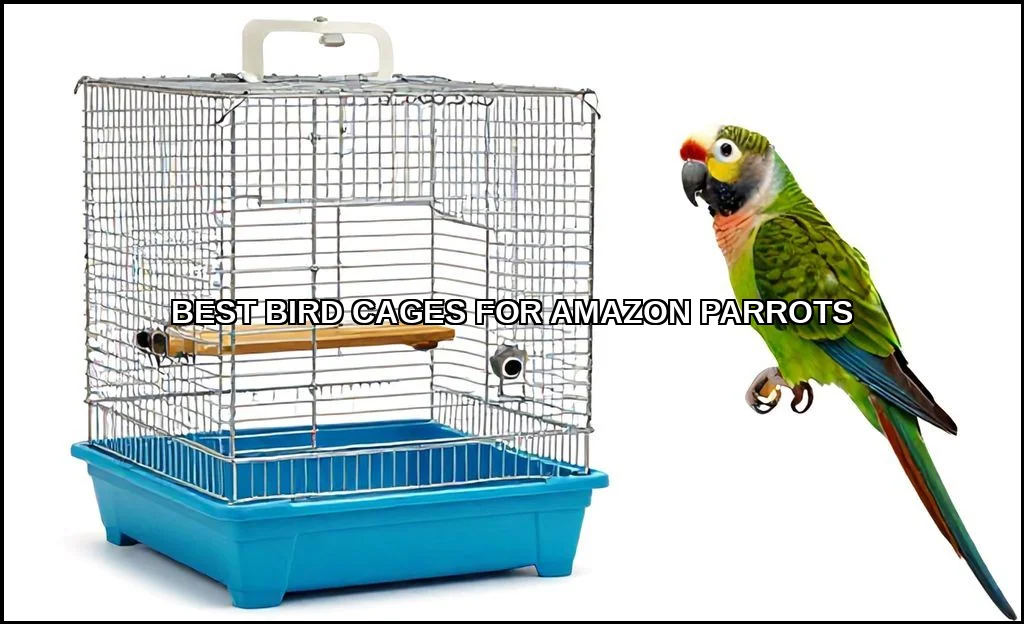
Amazon Parrot Cage Requirements: Size and Dimensions
Think of the cage as your parrot’s apartment. It needs room for sleeping, eating, playing, and moving. The absolute minimum cage size for a single Amazon parrot is 36″ wide, 24″ deep, and 48″ high. But that’s truly the bare minimum. More space is always better, especially in width and depth to accommodate their wingspan.
Why so big? Amazons are active, strong flyers (even if their wings are clipped, they flap and climb). A cramped cage can lead to stress, feather plucking, and obesity. The ideal amazon parrot cage size allows for short, hopping flights between perches. When considering parrot cage dimensions, prioritize floor space over height. A wider cage is more valuable than a taller, narrower one.
- For a single Amazon: Aim for 36″W x 30″D x 60″H or larger.
- For a pair or a very active bird: Look into true large bird cages or flight cages starting at 48″ wide.
- Bar spacing: This is critical for safety. For Amazons, spacing must be between 3/4″ and 1″. Anything wider risks head entrapment.
If you’re wondering what size cage does an amazon parrot need, always err on the side of cavernous. Your bird’s behavior will thank you.
Critical Safety Features: Bar Spacing and Materials
Safety isn’t a feature; it’s the foundation. The two biggest factors are bar spacing (which we touched on) and construction material.
Bar spacing is non-negotiable. A 1-inch gap might seem small, but a determined parrot can get its head stuck, leading to panic or injury. Always measure before you buy. The bar gauge (thickness) matters too. Amazons are powerful chewers; flimsy bars can bend or break. Look for a gauge of at least 4mm.
Material choice is equally vital. You have two main options:
- Powder-Coated Wrought Iron: Common and affordable. The powder coating prevents rust and comes in colors. The risk? A bird that chews through the coating can ingest toxic heavy metals (like zinc or lead from underlying metal). It’s crucial to inspect for chips regularly and choose brands like Prevue Hendryx or A&E Cage Company known for bird-safe finishes.
- Stainless Steel: The gold standard. Stainless steel bird cages are non-toxic, incredibly durable, and impervious to rust. They are more expensive but last a lifetime and eliminate material toxicity concerns. Brands like King’s Cages specialize in them.
The debate of stainless steel vs powder coated parrot cages often comes down to budget and your bird’s chewing habits. For a prolific chewer, stainless is an investment in long-term safety.
Top Recommended Cages for Amazon Parrots
Based on the requirements above, here are categories that work well for Amazon parrots. The “best” cage depends on your space, budget, and your bird’s personality.
1. The Spacious Flight Cage
Ideal for the active, flighted Amazon. These are wide, often not excessively tall, and prioritize horizontal movement. They are fantastic for encouraging exercise. Look for models with multiple feeder doors and horizontal side bars to facilitate climbinga natural Amazon behavior.
2. The Play Top Cage
A play top cages offers the best of both worlds: a secure main enclosure with an integrated activity area on top. This setup is excellent for enriching your parrot’s environment, giving them a designated “out-of-cage” space for supervised play. It can simplify your routine. When searching for the best cage for amazon parrot with play top, ensure the play area is sturdy and has appropriate bar spacing too.
3. The Easy to Clean Design
Maintenance is a huge part of ownership. Cages with large front doors, removable grates and trays, and slide-out litter trays make life easier. Some easy to clean bird cages feature a deep-bottom skirt to contain mess. A cage that’s difficult to clean often gets cleaned less frequently, increasing health risks like respiratory issues from ammonia.
Don’t forget about stationary stands. A sturdy, wheeled stand for a large cage is almost essential for moving it for cleaning or repositioning.
Essential Cage Setup: Perches, Toys, and Accessories
A bare cage is a boring cage. Setting it up correctly is half the battle for a healthy bird. This is where you address those specific behavioral needs like foraging and climbing.
Perches: Ditch the uniform, sand-covered perches that come with most cages. They can cause bumblefoot (a painful foot infection). Provide a variety of diameters (from 3/4″ to 1.5″) and materials (natural wood, rope, cement) to exercise foot muscles. Place them at different heights and away from food/water bowls to avoid contamination.
Toys & Foraging: Amazons are intelligent and need mental stimulation. A rotation of destructible wood toys, puzzle feeders, and shreddable items is mandatory. Foraging toys that hide treats mimic natural behavior and prevent boredom. This is a critical bird cage accessories category.
Food & Water: Use stainless steel or ceramic bowls. Place them in an area not directly under perches. Consider locking crocks for clever birds who like to throw their dishes.
Thinking about how to set up an amazon parrot cage? Start with perches, add foraging options, then layer in destructible toys. Consult an avian veterinarian or a guide on which parrots talk to understand the intelligence you’re catering to.
Cage Placement, Cleaning, and Maintenance Guide
Where you put the cage is as important as the cage itself. Follow these guidelines for a happy bird.
Placement
Place the cage in a part of the room where the family spends time, but not in the direct path of drafts, heating vents, or intense, direct sunlight. Amazons are social; isolation in a back room can lead to behavioral issues. The cage should have at least one side against a wall for security. For an excellent, detailed authority guide on this topic, see this external resource. It covers nuances like sightlines and activity levels.
Cleaning Schedule
Daily: Change food and water. Wipe down perches and spot-clean obvious mess.
Weekly: Remove all bird cage accessories and perches. Wash grate, trays, and bowls with a bird-safe disinfectant (vinegar/water solution works). Scrub perches.
Monthly: A full deep-clean. Move the cage and clean behind/under it. Inspect for any wear, rust, or DIY cage modification safety hazards if you’ve added anything homemade.
Proper cleaning prevents bacterial and fungal growth, protecting your bird from respiratory illnesses. It’s non-negotiable. For other habitat ideas, like outdoor options, you might explore the best birdhouse cameras for aviary monitoring.
A Note on Health & Behavior
Your Amazon parrot habitat directly impacts health. Poor perches cause bumblefoot. Dirty cages contribute to respiratory disease. Lack of space and enrichment fuels stress behaviors like screaming or feather-destructive behavior. Observing your bird’s interaction with its large parrot enclosure gives you the first clues to its well-being. A good cage setup is preventative healthcare.
Choosing the perfect cage is a blend of science and empathy. It requires meeting strict physical dimensions and safety standards while also creating a space that feels like a home. Start with generous size and safe bird cage construction, then build an environment full of choices and challenges for your intelligent companion. Your Amazon will spend most of its life in this space. Make it a palace, not a prison. The right cage isn’t an expense; it’s a long-term investment in a vibrant, healthy life together.
