
Choosing the right bird cage for breeding is more than just picking a pretty home. It’s about engineering a successful reproduction habitat. The wrong setup can lead to stress, failed clutches, or even chick mortality. Your goal is to create a secure, private, and manageable environment that mimics natural conditions.
This guide cuts through the noise. We’ll focus on the practical features that truly matter for breeding success, from cage size to safety. You’ll get clear recommendations and setup advice tailored for different species. Let’s build a foundation for your birds to thrive.
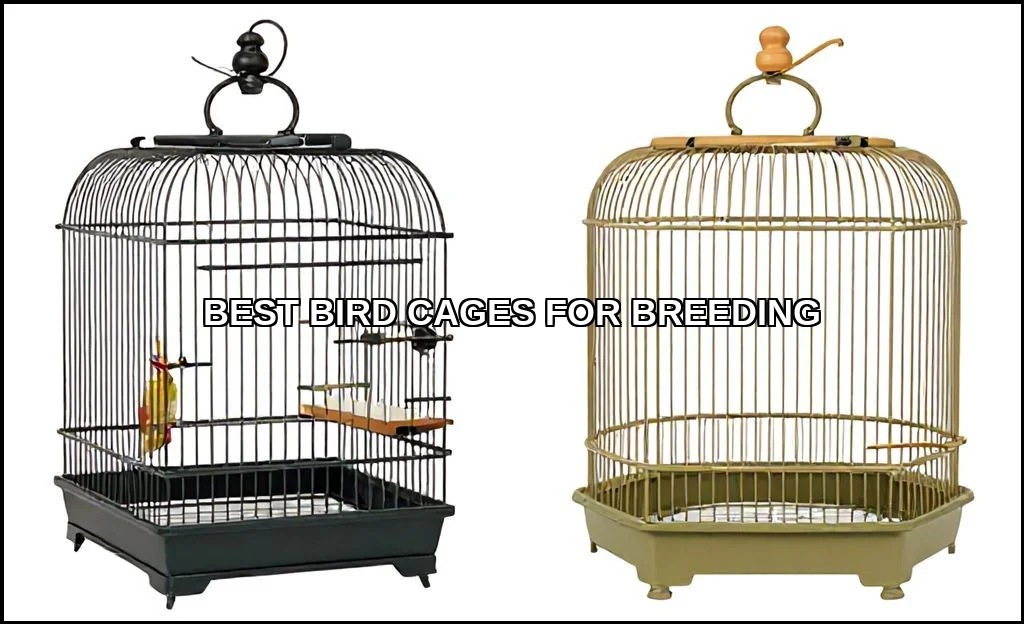
Key Features to Look for in a Breeding Cage
Not all cages are created equal for breeding. You need specific features that support the entire cycle, from courtship to fledging. Ignoring these can turn your breeding project into a frustrating ordeal.
Cage Size and Dimensions for Breeding Pairs
Space is non-negotiable. A cramped cage increases aggression and stress. For a breeding pair, you need enough room for flight, multiple perches, and separate feeding stations. Think beyond the minimum.
- Flight Space: Allows for natural exercise and courtship displays. A longer cage is often better than a tall, narrow one.
- Internal Dividers: Some cages, like stackable breeding cages, offer removable dividers. These are invaluable for separating pairs or introducing birds slowly.
- Future Planning: Consider if you’ll need to house chicks after they fledge. Will the cage accommodate a growing family temporarily?
Material, Construction, and Cleaning Access
Durability meets hygiene. Breeding cages get messy with food, droppings, and nesting material. The construction must withstand frequent cleaning without rusting or degrading.
Powder-coated steel is a top choice for its strength and rust resistance. The real hero, however, is a large removable tray at the bottom. This feature is a game-changer for maintenance. You simply slide it out, dispose of the lining, and wipe it clean. No awkward reaching or disturbing the birds more than necessary. When considering the best materials for easy clean breeding cages, this access point is paramount.
Nest Box Integration and Privacy Features
Privacy equals security for breeding birds. A proper nest box should attach securely to the outside of the cage or fit discreetly inside. External attachment is preferred as it doesn’t consume interior space.
Look for cages with dedicated access doors or ports for external nest boxes. The area around the nest should be somewhat shielded. Some cages have solid back or side panels, or you can add privacy panels yourself. This quiet, dark corner makes hens feel safe enough to lay and incubate. For a different kind of bird-watching project, you might explore the best birdhouse cameras to monitor nests unobtrusively.
Bar Spacing and Safety for Chicks
This is a critical, often overlooked detail. Bar spacing must be narrow enough to prevent chicks from squeezing out or getting their heads stuck. It also prevents predators or pests from reaching in.
- Small Birds (Finches, Budgies): 1/2 inch spacing or less is essential.
- Medium Birds (Cockatiels, Lovebirds): 5/8 inch to 3/4 inch is typically safe.
- Large Parrots: 1 inch spacing may be suitable, but always assess based on the species’ head size.
Always prioritize safety over aesthetics. A beautiful cage with wide bars is a hazard for chicks.
Top 5 Best Bird Cages for Breeding (2024 Reviews)
Based on construction, features, and breeder feedback, here are five standout options across different categories. For those seeking a versatile, space-efficient solution right away, the PawHut Divided Breeder is a fantastic choice. Its stackable, divided design is perfect for managing multiple pairs or creating a quarantine section, which we’ll discuss later.
1. Best Stackable System: PawHut Divided Breeder Cage
Ideal for serious hobbyists or small-scale breeders. The stackable design maximizes vertical space, and the removable dividers offer incredible flexibility. You can house pairs separately or create a larger breeding flight cages environment by removing panels. The pull-out trays simplify cleaninga must for high-maintenance breeding setups.
2. Best Flight Cage for Active Breeders: Prevue Hendryx Flight Cage
Prevue Hendryx is a trusted brand for a reason. Their large flight cages provide exceptional horizontal space for birds like finches, canaries, or even a pair of cockatiels. The wide doors offer great access for placing nest boxes and cleaning. Its a superb breeding aviary style enclosure for a single dedicated pair that needs room to move.
3. Best for Parrots: Mcage Heavy-Duty Breeding Cage
Parrots need robust construction. Mcage offers welded wire cages with reinforced frames that can withstand powerful beaks. Many models include integrated seed guards and large service doors. When evaluating safe bar spacing for parrot breeding cages, their models are often designed with specific species in mind, which is a huge plus.
4. Best Budget-Friendly Setup: Yaheetech Breeding Box Cage
Yaheetech provides functional, no-frills box cages that get the job done. These are often simple wire cages with a solid metal pan and a front nest box hole. They’re a cost-effective entry point for breeding budgies or finches. Just be prepared to potentially modify or add your own privacy panels for optimal comfort.
5. Best Customizable Foundation: Standard Box Breeding Cages
Sometimes, the best cage is a blank slate. Many breeders prefer basic, well-built box cages because they can easily attach their preferred external nest boxes, privacy screens, and feeder systems. This category lets you build the perfect nesting cages for parrots or small birds exactly to your specifications.
Breeding Cage Setup and Placement Guide
Where and how you place the cage is half the battle. A perfect cage in the wrong location can fail.
- Quiet and Low-Traffic: Place the cage in a calm area of your home. Avoid direct lines of sight to busy rooms or windows facing constant outdoor activity.
- Light and Climate: Consistent, natural light patterns are key. Avoid direct drafts from air vents or windows, but ensure gentle ventilation. Consider using a timer for consistent light cycles, a missing entity many guides omit. Providing 12-14 hours of light can stimulate breeding condition in many species.
- Elevation: Place the cage at or slightly above eye level. This makes birds feel more secure than if they are looked down upon.
For more on creating larger environments, the Audubon Society offers an excellent authority guide on aviary construction.
Species-Specific Breeding Cage Requirements
One size does not fit all. Tailoring your setup to the species dramatically increases success rates.
Budgie Breeding Cages
Budgies are prolific but need space. A cage at least 24″L x 16″W x 16″H is a good starting point for a pair. The perennial question, what size cage is best for breeding budgies, often has this answer: bigger than you think. They appreciate a long cage for short flights. A vertical wooden nest box is standard.
Finch Breeding Setup
Finches are often bred in colony settings or pairs. A large flight cage works well. How to set up a finch cage for breeding involves providing ample nesting sites (like wicker baskets or finch nest boxes) and plenty of fine nesting material (coconut fiber, jute). Ensure multiple food and water stations to reduce competition.
Cockatiel Breeding Cage
Cockatiels need a sturdy cage with bar spacing no wider than 3/4 inch. A cage around 24″ x 24″ x 30″ allows room for a pair and eventual chicks. They prefer a larger, deeper nest box (often a “boot” style) placed high in the cage. A cuttlebone and mineral block are essential in their reproduction habitat.
Maintenance and Cleaning for Breeding Cages
Rigorous hygiene prevents disease, especially with vulnerable chicks in the mix.
- Daily: Remove soiled bedding from the removable tray. Change food and water. Spot-clean perches and high-traffic areas.
- Weekly: Do a deep clean. Remove all birds to a temporary holding cage. Use a bird-safe disinfectant (like diluted vinegar or F10SC) on the entire cage, perches, and toys. Rinse thoroughly and dry completely before returning the birds.
- Between Clutches: Perform an intensive clean and disinfect. Replace any worn perches or toys. This is also the ideal time to implement quarantine cage protocols if introducing new birdsa crucial missing entity in many discussions. Always quarantine new arrivals in a separate room for at least 30-45 days.
Remember, a clean cage is a healthy cage. And don’t forget about other aspects of avian care, like providing a heated bird bath in winter for your birds’ overall well-being.
Addressing Missing Critical Entities
Most product reviews stop at the cage itself. Successful breeding requires more.
- Brooder Box Requirements: Have a separate, heated chick rearing cage or brooder ready. If parents reject chicks or you need to hand-feed, you’ll need a controlled environment with precise temperature and humidity.
- Quarantine Cage Protocols: Never introduce a new bird directly to your breeding area. Use a simple, separate quarantine cage in a different air space to prevent introducing illness to your established pairs.
- Lighting Cycles: As mentioned, manipulating light hours (photoperiod) is a primary environmental trigger for breeding. Research your species’ needs. A simple plug-in timer for the cage light can make this effortless.
Selecting the best bird cage for breeding is a strategic decision. It balances space, safety, cleanliness, and species-specific needs. Start with the right foundationa well-built cage with proper bar spacing and cleaning access. Then, layer in the nuances: strategic placement, a secure nest box, and protocols for quarantine and chick care. Your effort in creating this optimal mating bird enclosure pays off in healthy parents, robust chicks, and the immense satisfaction of a breeding project done right. Now you’re equipped not just to buy a cage, but to build an ecosystem.
