
Choosing the right home for your doves isn’t just about picking a pretty cage. It’s about creating a safe, stimulating habitat that supports their natural behaviors and well-being for years to come. The wrong setup can lead to stress, injury, and health issues, which is why understanding dove housing requirements is the critical first step.
For those seeking a well-regarded option that balances space and security, many dove owners have success with the VISCOO Upgraded Encrypted flight cage. Its design addresses several key needs we’ll discuss, making it a solid starting point for your search.
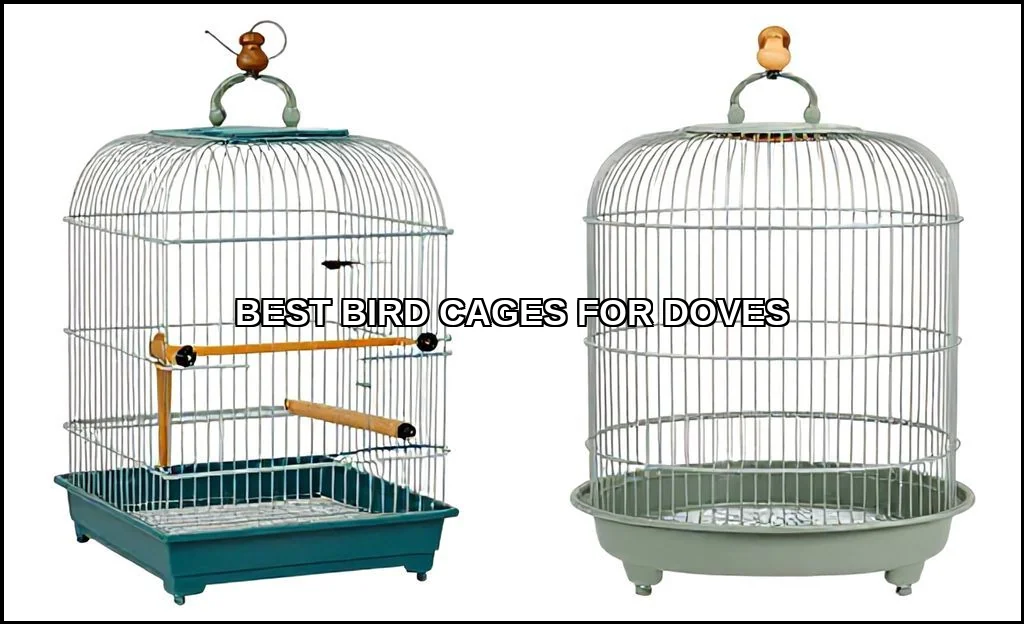
Understanding Dove Housing Requirements
Doves are active, social birds that need room to move. Their housing needs differ from parrots or finches. The core principle? Horizontal space for flight trumps vertical height. A long, wide enclosure allows for short bursts of wing-flapping, which is essential for muscle tone and mental health.
So, what size cage do I need for two doves? For a pair of common doves like Ringnecks, a minimum of 30 inches wide is a good baseline. Larger species or more birds demand significantly more space. A true flight cage or dove aviary is always the better choice when possible. Think of it as their apartmentcrowding leads to problems.
Safety: The Non-Negotiable Foundation
Safety is paramount. The most critical factor is bar spacing. For most doves, including Ringneck and Diamond Doves, spacing must be under 1 inch (ideally 1/2 to 3/4 inch) to prevent head entrapment or escape. Bar thickness matters, too; a sturdy wire gauge prevents bending. Always prioritize a secure, well-constructed latch system.
Key Features of a Quality Dove Cage
Beyond basic size and safety, several features separate a good dove enclosure from a great one. These elements directly impact durability, cleanliness, and your bird’s quality of life.
Material and Durability
Cage material dictates longevity and ease of care. You’ll typically choose between stainless steel and powder-coated wrought iron. Stainless steel is the gold standardrust-proof, easy to clean, and incredibly durable. Powder-coated cages are more affordable and come in colors, but the coating can chip if chewed, potentially exposing bare metal to rust.
Design for Health and Behavior
Doves are ground foragers but also need elevated perches. Their dove perch requirements include having multiple perches of varying diameters and textures (like natural wood) to promote foot health. Avoid sandpaper covers. The cage should also facilitate easy installation of a nesting box for doves, as they are prolific breeders if conditions are right.
Don’t forget environmental factors often missed. Place the cage away from drafts, direct heat sources, and kitchen fumes. For indoor doves, consider UV light exposure; full-spectrum lighting can be beneficial since windows filter out essential rays.
Top Recommended Dove Cage Models & Categories
While specific models change, reliable brands like Prevue Hendryx and Yaheetech often produce suitable designs. Focus on the product category that fits your scenario.
- Stationary Flight Cages: These large, rectangular cages offer maximum horizontal space. Perfect for indoor use where you can dedicate a wall. The “best flight cage for mourning doves” would fall into this category, providing ample room for their slightly larger size.
- Standing Playtop Cages: These combine a roomy interior with a play area on top. Good for interactive doves, but ensure the main cage body still meets minimum size requirements.
- Breeding Cages & Aviaries: For dedicated breeders or multiple birds, a specialized breeding cage or outdoor dove aviary with sheltered space is ideal. These are designed for easy monitoring and management of pairs.
Your choice between indoor vs outdoor dove cage recommendations hinges on climate, predators, and whether your birds are acclimated. Outdoor avaries require robust weatherproofing and security.
Dove Cage Setup and Accessories
A cage is just a shell. The accessories create the dove habitat. Heres how to equip it properly.
- Perches: Install at least two, at different heights and away from food/water dishes to avoid contamination.
- Food and Water: Use sturdy ceramic or stainless steel bowls. Doves are messy, so consider bowl guards or external feeders.
- Nesting: Provide a flat nesting platform or a simple, open nesting box for doves. They aren’t cavity nesters like parrots.
- Bathing: A shallow, sturdy bath dish is a must for dove happiness. For year-round care, you might explore the best heated bird baths for outdoor setups.
- Enrichment: Add pigeon-friendly toys like seagrass mats, or even a best birdhouse camera unit to observe their natural behaviors discreetly.
Maintenance and Cleaning Best Practices
Dove cage cleaning is non-negotiable for health. Doves produce a lot of feather dust and powdery down. A cleanable cage base (a slide-out tray is ideal) is a lifesaver.
| Task | Frequency | Tips |
|---|---|---|
| Food/Water Bowls | Daily | Wash with hot, soapy water. Rinse thoroughly. |
| Droppings & Tray Liner | Daily | Use cage liners (paper) for quick changes. |
| Perches & Toys | Weekly | Scrub off debris. Disinfect and dry completely. |
| Full Cage Deep Clean | Monthly | Use bird-safe disinfectant. Rinse every surface. |
Establishing this routine prevents bacterial and fungal growth. For a comprehensive guide on selecting avian housing, the Audubon Society offers an excellent official source that reinforces these principles.
Selecting the best bird cage for your doves is an investment in their longevity and happiness. It boils down to space, safety, and sensible setup. Start with generous horizontal dimensions and secure bar spacing. Choose durable materials you can maintain easily. Then, fill that space with the right perches, nesting options, and enrichment. Your reward will be the sight of content doves cooing and fluttering in a home that truly meets their needs.
