
Choosing the right home for your lovebird isn’t just about aesthetics. It’s about creating a secure, stimulating, and healthy avian habitat where your feathered friend can thrive for years. A poor cage choice can lead to stress, injury, and behavioral issues. This guide cuts through the noise to help you select a cage that prioritizes safety, space, and enrichment.
For those seeking a spacious, feature-rich option right away, many owners find great value in the Yaheetech 64-inch Play Top cage. It’s a strong contender that hits many key requirements we’ll discuss. But it’s just one of many styles. Let’s break down exactly what makes a cage perfect for these active, intelligent small parrots.
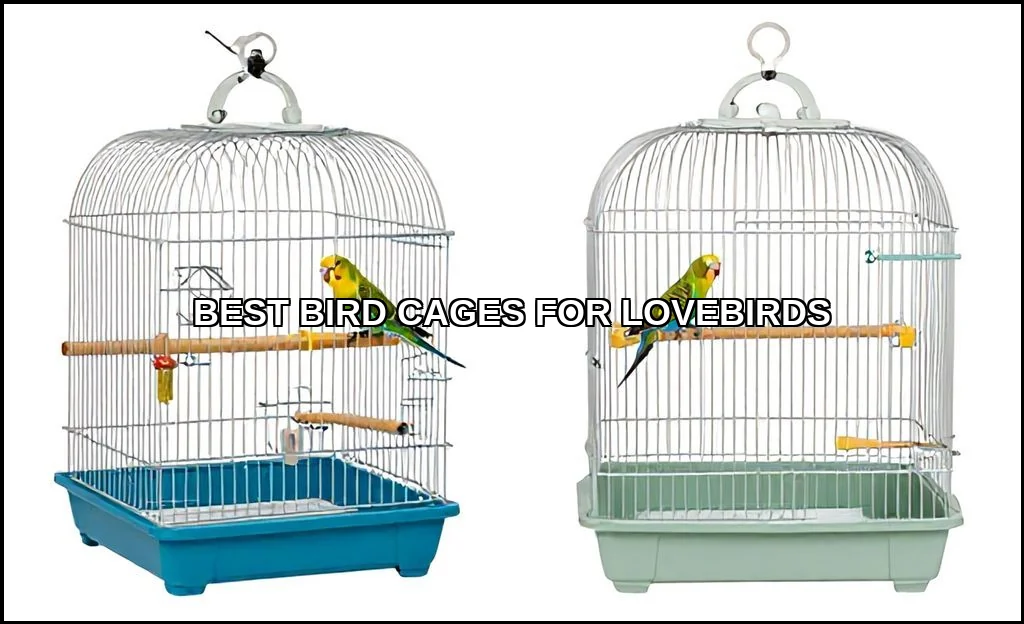
What Lovebirds Need in a Cage
Lovebirds are deceptively small. They pack the energy and curiosity of much larger parrots into a tiny body. Their cage must be a fortress, a gym, and a dining room all in one. The core requirements boil down to three things: safety, space, and sanity (yours and theirs). Ignoring any one of these can turn a beautiful cage into a problematic purchase.
Critical Safety: Bar Spacing & Materials
This is non-negotiable. The wrong bar spacing is a leading cause of tragic accidents. For lovebirds, the maximum safe bar spacing is 1/2 inch. Anything wider risks your bird getting its head or body stuck, which can lead to panic, injury, or worse. Always measure this spec first.
The material is equally vital. Powder-coated steel is the industry standard for durability and safety. The coating prevents rust and creates a non-toxic, easy-to-clean surface. Beware of cages with a cheap, flaky paint finish. Lovebirds love to chew, and ingesting chips of paint containing zinc or lead can be fatal. A high-quality powder-coated finish resists this.
Horizontal bars are a must. They allow lovebirds to climb and exercise naturally, utilizing the vertical space. A cage with only vertical bars severely limits their activity. Also, consider cage placement. Keep the cage away from drafts, direct sunlight, and kitchens. Fumes from non-stick cookware (Teflon) are extremely toxic to birds.
Ideal Cage Size & Shape for Lovebirds
Bigger is always better. The absolute minimum cage size for a single lovebird is 24x24x24 inches. This is a starting point, not a goal. For two lovebirds, you need to think bigger. A common question is, what size cage do I need for two lovebirds? Aim for a cage that is at least 30 inches wide and 24 inches deep, with plenty of height.
Shape matters more than you think. Width and depth are more important than extreme height. Lovebirds fly horizontally, not straight up and down. A long flight cage that allows for short bursts of flight is ideal. Check the flight cage dimensions to ensure it provides this horizontal room. Square or rectangular cages offer more usable space than round, fancy ones.
Top Cage Recommendations for Lovebirds
Based on safety specs, owner reviews, and feature sets, here are top picks across different categories. Remember, the “best” cage depends on your specific needs, space, and budget.
1. The Spacious All-Rounder: Yaheetech 64-inch Playtop
We mentioned it earlier for good reason. This cage excels in providing space and enrichment. The large interior meets and exceeds size requirements for a pair, and the playtop with a ladder offers a dedicated area for out-of-cage fun. It features a removable tray and bottom grate for easier cleaning. The included stand elevates the cage to a comfortable interaction height.
Pros: Excellent value for size, includes playtop and stand, good bar spacing.
Cons: Assembly can be tedious, some reports of thinner gauge metal on newer models.
2. The Premier Flight Cage: Prevue Hendryx F040
A brand often trusted by avian enthusiasts, Prevue Hendryx makes robust cages. The F040 model is a fantastic flight cage with a 1/2-inch bar spacing and a durable powder-coated finish. Its long, low design is perfect for horizontal flight. It often comes with multiple feeder doors and a large front door.
Pros: Superior build quality, ideal shape for flight, trusted brand.
Cons: Higher price point, often does not include a playtop or stand.
3. The Budget-Friendly Starter: Mcage Medium Parrot Cage
If you’re searching for the best budget cage for a single lovebird, this style is a frequent contender. It hits the minimum cage size and safety requirements without extra frills. It’s a simple, functional stationary cage that gets the job done. Look for models with a slide-out removable tray to aid cleaning.
Pros: Very affordable, meets basic safety and size minimums.
Cons: Limited space for toys, basic construction, not suitable for a pair long-term.
4. The Interactive Playtop Cage
Play top cages are incredibly popular for a reason. They extend the living space upward. When looking at top-rated playtop cages for lovebirds 2024, focus on the stability of the top platform and the ladder access. A wobbly playtop can scare a bird. Brands like Yaheetech and Prevue offer reliable options in this category.
Pros: Encourages interaction and play, separates play and sleep areas.
Cons: Adds height and may require more space, can be pricier.
5. The Portable Solution: Travel Bird Cages
Every lovebird owner needs a smaller, secure carrier for vet visits or short trips. A good travel bird cage should have a secure door latch, ventilation, and a perch. It doesn’t need to be large, but it must be safe. Never use a cardboard box or an unsuitable carrier. For other types of bird care on the go, consider the best heated baths for outdoor avian visitors during colder months.
Buying Guide: How to Choose & Set Up Your Cage
Selecting the cage is only half the battle. Proper setup transforms it into a home. This is where many owners, even experienced ones, can improve.
Step 1: Prioritize Safety & Size
Use the specs in this article as your checklist. Bar spacing first, then material, then dimensions. Don’t compromise. For a deeper dive, the Audubon Society offers an excellent authority guide on avian housing principles.
Step 2: Evaluate Features for Your Lifestyle
- Easy to Clean Cage: Look for large doors, a deep removable tray, and a slide-out bottom grate. A seed guard (a plastic skirt around the cage) helps contain mess.
- Door Latches: Lovebirds are clever escape artists. Seek out secure locks, not just simple slide bolts.
- Feeder Doors: These allow you to change food and water without reaching into the main cage, reducing stress.
Step 3: Set Up for Success
Place the cage in a socially active part of your home, but not in the middle of chaos. Provide multiple perches of varying diameters and materials (natural wood is great). Place food and water dishes away from perches above them to avoid contamination. Start with 3-4 different toys and rotate them weekly to prevent boredom. Just as you’d optimize a home for wild birds with the right equipmentlike choosing the best birdhouse cameras for observationsetting up your lovebird’s cage thoughtfully is key to their well-being.
Step 4: Maintenance Routine
An easy to clean cage is only easy if you clean it regularly. Daily spot-cleaning of the tray and weekly deep cleans are essential. Use bird-safe cleaners (vinegar and water works well) and avoid harsh chemicals. A clean cage prevents disease and keeps your home smelling fresh.
Your lovebird’s cage is its world. Investing time and resources into choosing the right one pays dividends in your bird’s health and happiness. Focus on safe bar spacing, ample flight cage dimensions, and durable bird cage materials. Whether you opt for a spacious play top cage, a simple budget lovebird cage, or a specialized travel bird cage, let safety and space guide you. A well-chosen cage isn’t just furniture; it’s the foundation for a long, joyful life with your charismatic companion.
