
Attracting doves to your backyard is a uniquely rewarding experience. Their soft cooing and gentle presence create a peaceful atmosphere, but they have specific feeding habits that many standard feeders just don’t accommodate. Getting the right setup isn’t just about putting out seed; it’s about understanding their ground-based nature and creating a safe, comfortable dining station.
You’ll see mourning doves, white-winged doves, and even the increasingly common Eurasian collared-dove scouring the ground for fallen seed. This instinct makes them vulnerable and leads to wasted food. The solution? A feeder designed for their comfort. For a reliable, no-fuss option that checks many dove-friendly boxes, many enthusiasts start with the Wild Wings WWCF23. Its low height and open design mimic their preferred feeding style perfectly.
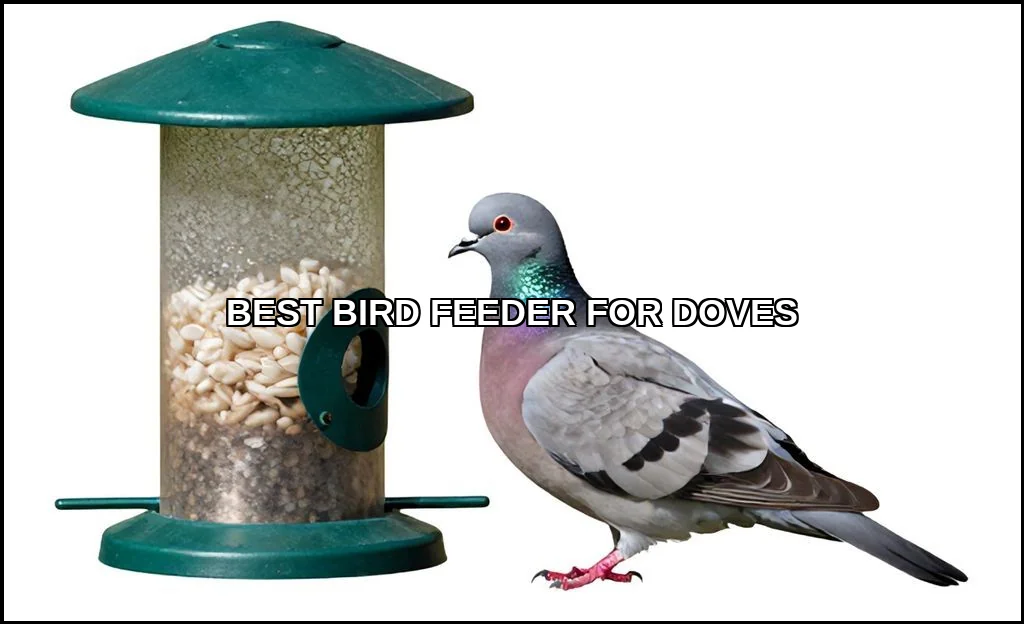
How Doves Actually Eat
To choose the best feeder, you first need to grasp dove feeding habits. Unlike finches that cling or chickadees that grab and go, doves are ground foragers. They walk, peck, and prefer a stable surface under their feet. They also lack the agility to navigate small perches or cling to mesh. Their feeding style is methodical, not acrobatic.
This behavior presents two main challenges at typical feeders: competition and waste. They often get bullied by more aggressive birds and end up eating spilled seed from the ground, which can expose them to mold, bacteria, and predators. A proper dove feeder solves this by bringing the ground up to them in a clean, controlled way.
Key Features Your Dove Feeder Must Have
Not all feeders labeled for “large birds” work for doves. Look for these specific design elements that cater directly to their instincts and physical needs.
1. A Large, Stable Platform
The non-negotiable feature is a platform feeder or a very large tray. Doves need space to land, walk around, and feed side-by-side. A cramped space will stress them and limit access. The platform should be solid, not wire mesh, to support their footing comfortably.
2. Low Height and Easy Access
Remember, doves aren’t built for high-wire acts. A low height bird feeder, either mounted just inches off the ground or on a short pole, is ideal. Some ground feeder for doves designs sit directly on the lawn. The goal is minimal elevation to mimic their natural ground feeding behavior while keeping seed clean.
3. A Spillage Tray or Rim
Doves are messy eaters. A raised lip or an attached spillage tray is critical for containing seed. This reduces waste, saves you money, and prevents attracting rodents. It’s a core feature of any effective dove proof feeder system.
4. Durability and Easy Cleaning
Doves can be frequent visitors, and a feeder in the elements needs to withstand weather and constant use. Brands like Woodlink and Aspects are often praised for sturdy construction. Easy disassembly for cleaning is vital to prevent the spread of dove diseases at feeders, like avian pox or trichomoniasis.
Top Dove Feeder Designs to Consider
Now, let’s translate those features into real-world options. The “best” choice depends on your specific backyard challenges, like squirrel pressure or the number of doves you host.
Dedicated Platform Feeders
This is the classic mourning dove bird feeder. A simple, open tray with drainage holes and a short pole mount. It’s excellent for pure seed like millet. For a larger capacity option, a large platform bird feeder with a roof offers protection from rain, keeping seed dry and inviting.
- Best for: Pure dove feeding stations, visual monitoring of seed levels.
- Consider: Lack of protection from squirrels and larger birds.
Protected Ground Feeders
These are essentially cages with a tray inside. The wire mesh allows doves to enter but excludes squirrels, crows, and hawks. They answer the question of a dove proof squirrel proof bird feeder elegantly. The Wild Wings WWCF23 mentioned earlier fits this category well, offering that crucial protected, low-to-the-ground access.
- Best for: High-squirrel areas, providing a safe haven for doves.
- Consider: Ensure mesh spacing is wide enough for doves to comfortably enter.
Low-Profile Hopper Feeders
Some hopper feeders from brands like Droll Yankees have very wide ledges or base trays. While not a pure dove specific feeder, they can work if the perching area is broad and flat enough for doves to stand on. The seed dispenses onto the ledge as they eat.
- Best for: Mixed flocks where you want to also attract other bird species.
- Consider: May still be too high or narrow for some doves’ preference.
| Feeder Type | Best For | Potential Drawback |
|---|---|---|
| Open Platform | Maximum access, easy cleaning | No protection from pests or weather |
| Caged Ground Feeder | Safety from squirrels & large birds | Can intimidate very skittish doves initially |
| Low Hopper with Tray | Seed protection & larger capacity | May not be dove-exclusive |
Setting Up Your Dove Feeding Station for Success
Placement is half the battle. You can have the perfect feeder, but if it’s in the wrong spot, doves will ignore it.
Ideal Placement Tips
Position your dove feeding station in a quiet, open area near coverbut not too near. Think 10-15 feet from shrubs or trees. This gives doves a quick escape route from predators but keeps the feeding zone feeling exposed and safe. Avoid placing it under active bird corridors or directly below other feeders where shells and debris will rain down.
Maintenance & Hygiene
Clean the feeder and the ground beneath it weekly. Use a mild bleach solution (1 part bleach to 9 parts water), rinse thoroughly, and dry. This is non-negotiable for preventing disease, especially in warm or wet weather. Rake up wet or clumped seed from the ground promptly.
Seasonal shifts matter, too. In winter, doves need more calories, so consistent feeding is key. In hot summers, ensure seed doesn’t get moldyconsider smaller, more frequent refills. A best heated bird bath nearby can make your yard an even more attractive year-round oasis, as doves need to drink daily.
Solving Common Dove Feeding Problems
Even with a great setup, issues can pop up. Heres how to tackle them.
Problem: Squirrels Monopolizing the Feeder
Solution: Opt for a fully caged design. If using a platform, a pole-mounted system with a quality baffle is your best defense. Remember, dove proof often needs to mean squirrel proof as well.
Problem: Only Pigeons or Grackles Showing Up
Solution: This gets to how to attract mourning doves to feeder specifically. Use their preferred food: white millet, cracked corn, and sunflower hearts. Avoid mixes with a lot of small milo or wheat, which doves often ignore. The larger, more aggressive birds may lose interest.
Problem: Seed Getting Wet and Moldy
Solution: Choose a feeder with excellent drainage and a roof. Refill with smaller amounts of seed more frequently. Never just add new seed on top of old, damp seed. A camera on a best birdhouse is a clever tech tool, but for feeders, simplicity and cleanliness win.
Problem: Doves Seem Skittish and Avoid the Feeder
Solution: Patience. Scatter a small amount of their favorite seed on the ground near the new feeder for the first few days. Gradually move the trail onto the feeder itself. They need to recognize it as a safe and reliable food source.
The Final Seed on Feeding Doves
Choosing the best bird feeder for doves boils down to respecting their nature. They need space, stability, and safety. A well-designed platform or protected ground feeder, filled with the best bird seed for doves (think millet and corn), placed in a thoughtful location, will transform your yard. You’ll be rewarded with their serene company. Its about creating a welcoming pit stop, not a challenging obstacle course. For more detailed species behavior, the Cornell Lab of Ornithology’s authority guide is an excellent official source. Start simple, observe, and adjust. Your dove flock is waiting.
