
Your bird’s cage is more than a home. It’s a playground, a gym, and a sanctuary. The right accessories transform it from a simple enclosure into a dynamic environment that promotes physical health and mental well-being. Among these essential bird cage accessories, a well-chosen ladder is often overlooked. It’s not just a climbing tool; it’s a vital piece of the bird playground that aids mobility, provides exercise, and enriches daily life.
Choosing the best bird ladders for cages involves more than picking the first one you see. You need to consider your bird’s species, size, and age, the ladder’s material, and how it fits within the cage’s ecosystem of bird perches and avian toys. A perfect ladder encourages natural behaviors. A poor choice can lead to frustration or even injury. Let’s climb into the details.
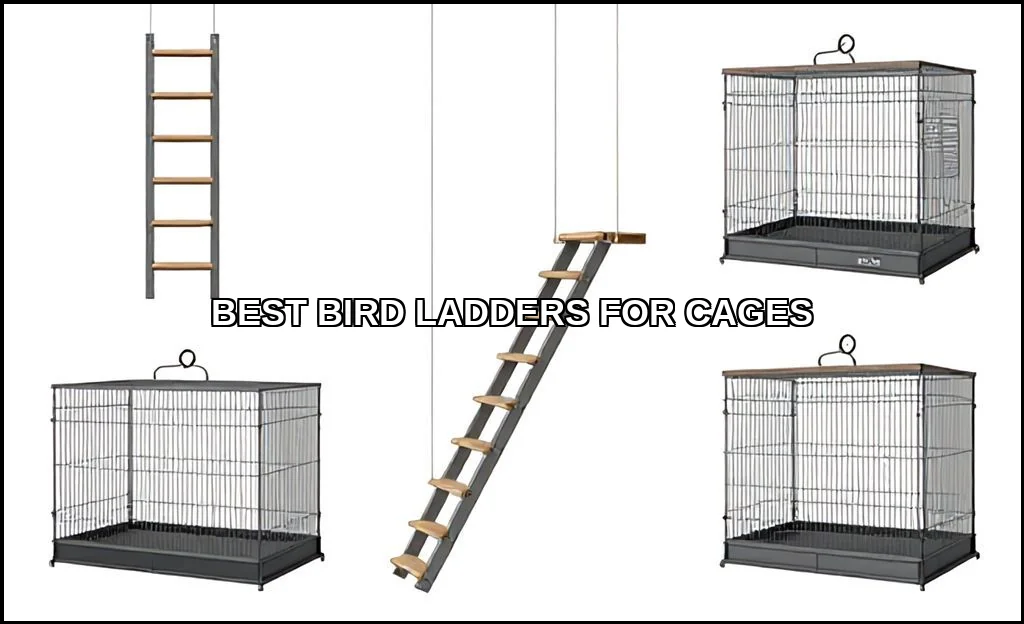
Types of Bird Ladders: Materials & Designs
Bird ladders come in three primary categories, each with pros and cons. Understanding these helps you match the product to your feathered friend’s needs and chewing habits.
Wooden Ladders
These are the classic choice for many bird owners. Made from natural wood perches like pine, manzanita, or dragonwood, they offer a firm, chewable surface. Parrots, especially larger species like macaws and conures, enjoy shredding the rungs, which is excellent for beak health and mental stimulation. The key is ensuring the wood is untreated and free of pesticides. A major consideration is durability; a heavy chewer can demolish a softwood ladder quickly.
Rope Ladders
Constructed from cotton or sisal rope with wooden or plastic rungs, these ladders offer flexibility. They can be bent into arches or draped creatively, adding a unique dimension to cage cage enrichment. They are gentler on feet, making them a potential candidate for the best bird ladder for elderly birds or birds with arthritis. However, vigilance is required. Frayed ropes can entangle toes, and some birds ingest the fibers, leading to digestive blockages. Regular inspection is non-negotiable.
Plastic Ladders
Often made from acrylic or hard plastic, these ladders are durable, easy to clean, and resistant to destruction. Brands like Penn-Plax and JW Pet offer colorful options that can brighten a cage. They work well for smaller birds like budgies or finches who are less destructive. The downside? They can be slippery. Look for models with textured grip-friendly rungs to prevent slips. Always verify they are made from non-toxic materials, as some plastics can contain harmful chemicals.
How to Choose the Right Size & Fit
Getting the size wrong is a common mistake. A ladder that’s too steep or too long is useless, even dangerous. Heres how to get it right.
Measure Your Cage and Bird
First, know your cage bar spacing. The ladder’s attachment hooks must securely fit the bar thickness and spacing. A hook that’s too wide won’t grip; one that’s too narrow won’t fit. Second, consider the ladder’s angle and length. It should allow your bird to climb comfortably without over-stretching. For a definitive guide on perch and spatial planning, consult this authority guide from the National Audubon Society.
Species-Specific Considerations
This is where many product listings fall short. A bird ladder for cockatiel is very different from one for an African Grey. You must consider weight and activity level.
- Cockatiels & Budgies (Small Birds): Look for lightweight ladders with thinner rungs. The question of what size bird ladder for cockatiel cage is answered by choosing one that spans a main climbing route without dominating the entire cage. A 10-14 inch ladder is often sufficient.
- Conures, Quakers (Medium Birds): They need sturdier construction. A mix of wood and rope often works well, providing both chewing and climbing variety.
- Macaws, Cockatoos (Large Birds): Only the most heavy-duty wooden or thick, reinforced rope ladders will suffice. Check manufacturer weight limits explicitly.
For a reliable, all-around option that balances quality and value, many bird owners start with Prevue Pet Products. Their ladders are known for good construction and are widely available, making them a solid baseline choice for many common pet bird species.
Safety Features & Installation Tips
Safety isn’t a feature; it’s the foundation. A fun ladder that causes harm is a failure.
Critical Safety Checks
Before any ladder goes in the cage, do this:
- Inspect for Sharp Edges: Run your fingers along every surface. Sand down any rough spots on wood.
- Verify Material Safety: Ensure all woods, ropes, dyes, and plastics are bird-safe and non-toxic materials. When in doubt, contact the manufacturer.
- Test the Hardware: Hooks and connectors should be sturdy, with no small parts that can be swallowed. Stainless steel is ideal.
- Consider Foot Health: Variety is key. Combine ladder rungs with different diameter natural wood perches to exercise foot muscles and prevent pressure sores.
How to Install a Bird Ladder in Cage
Proper installation prevents collapses. For wooden or rigid plastic ladders, secure both ends firmly to stable parts of the cage frame, not to flimsy toy hooks. Ensure it’s taut and doesn’t wobble. For rope ladders, you may need to experiment with drape and tension to create a stable climb. Always observe your bird’s first few uses to ensure they are confident and not struggling. It’s a simple step that answers the common query, how to install a bird ladder in cage, with practical action.
Addressing Missing Entities: DIY and Vet Advice
Many sites skip two key areas. First, avian veterinarians consistently warn against homemade ladders made from unknown woods (like from your backyard) or using hardware with zinc or lead. If you go the DIY route, source materials from reputable pet bird supplies stores. Second, always factor in your specific bird’s health. An arthritic bird needs a gentler angle and softer rungs. Your vet is your best resource here.
Top Bird Ladder Considerations & Enrichment Ideas
You’re not just buying a ladder. You’re integrating a component into a living space.
Purchasing Considerations
Look beyond the price tag. Read reviews focusing on durability for your bird’s species. Brands like Super Bird Creations are praised for their creative, durable designs. Compare how easy the ladder is to clean and disinfect. In the debate of are wooden or rope bird ladders better, the answer is: it depends on your bird. A destructive parrot? Start with wood. A gentle older finch? Rope might be perfect.
Maintenance & Care
Ladders get dirty. They need regular cleaning as part of your cage routine.
- Wooden Ladders: Scrub with hot water and a bird-safe disinfectant. Replace once they become overly chewed or soiled.
- Rope Ladders: Check for fraying daily. Most are not fully submersible; spot clean with a safe solution and replace frequently.
- Plastic Ladders: These can often be washed in the sink or dishwasher (top rack) for thorough sanitation.
Creative Enrichment Integration
Don’t just hang the ladder vertically. Create a network! Drape a rope ladder across a corner to make a bridge. Use a wooden ladder as a ramp to a favorite perch or foraging area. Hang small avian toys or treats from the rungs to encourage climbing and problem-solving. Think of the ladder as a highway connecting different zones of activity, much like how a best birdhouse camera connects you to the outdoor avian world. This approach turns basic bird cage accessories ladder into a hub of activity.
Final Perch: Making the Smart Choice
Selecting the right parrot cage ladder or small bird ladder is a thoughtful process. It blends practical measurement with an understanding of your bird’s unique personality and physical needs. Prioritize safety and appropriate sizing over flashy colors. Remember, the goal is to enhance mobility and joy within their environment. Just as providing fresh water year-round is critical (consider a best heated bird bath for outdoor birds), providing safe, engaging interior structures is non-negotiable for your captive companion. Start with a trusted brand, observe how your bird interacts with it, and don’t be afraid to adjust. Your bird’s confident climb will be your reward.
