
Choosing the right food for your conure is one of the most impactful decisions you’ll make. It directly affects their energy, feather quality, and long-term health. While seeds were once the standard, avian nutrition has evolved. Today, a high-quality pellet forms the cornerstone of a complete nutrition plan for species like the Green Cheek, Sun, and Nanday Conure.
This shift from seed mixes to formulated diets isn’t just a trendit’s backed by veterinary science. A balanced pellet helps prevent common deficiencies found in seed-only diets. For many conure owners seeking a reliable, daily staple, a product like RoudyBush Daily Maintenance is a frequently recommended starting point. It’s designed to meet the needs of most companion parrots without overcomplicating things.
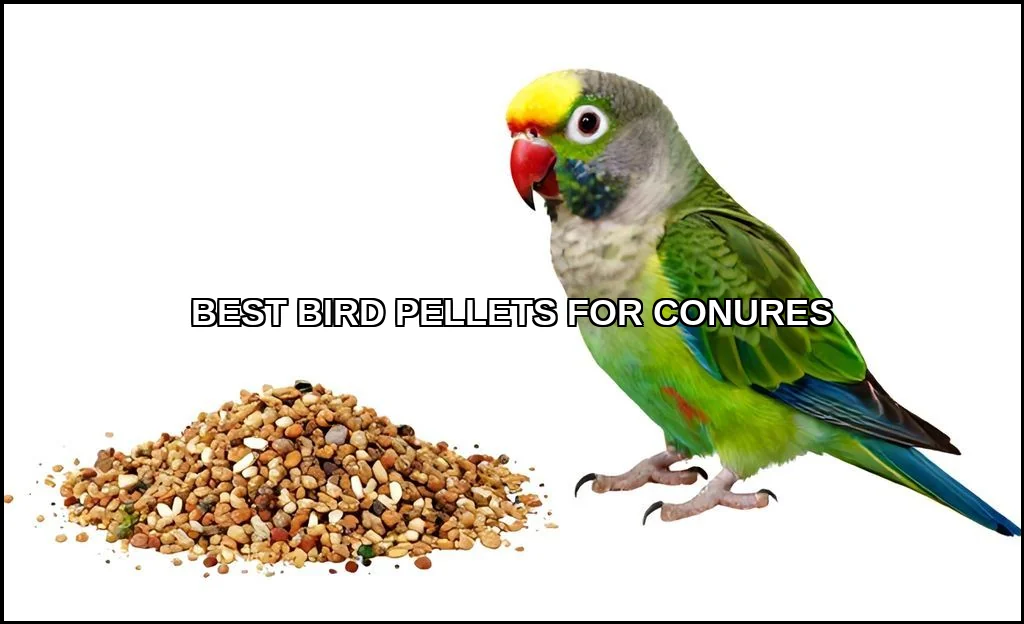
What Conures Really Need: Beyond the Seed Bowl
Conures are active, intelligent parrots with specific dietary requirements. A seed-heavy diet is often too high in fat and deficient in crucial vitamins like Vitamin A and minerals like Calcium. This imbalance can lead to health issues over time. A healthy parrot diet is built on variety, with pellets providing the consistent nutritional baseline.
Your conure’s needs can vary slightly by species and life stage. A growing chick or a breeding bird may require a “high-potency” formula temporarily. For most adult conures, a maintenance pellet is perfect. The key is ensuring the pellet size is appropriatetoo large, and they can’t eat it; too small, it becomes wasteful. Finding the right pellet size for conures is a simple but critical step.
Key Nutritional Benchmarks
When evaluating bird pellet nutrition, look beyond marketing. Check the guaranteed analysis. Ideal protein levels for conures typically range from 12-16%, and fat should be between 4-8%. Crucially, look for pellets fortified with essential vitamins and minerals. Vitamin A is vital for immune and skin health, while proper Calcium-to-Phosphorus ratios (around 2:1) support strong bones.
This is where many brands differentiate themselves. Some focus on organic ingredients, while others use gentle extrusion processes to preserve nutrients. Always check the expiration date. Pellet freshness matters because fats can become rancid, degrading quality and taste.
Top Pellet Brands for Conures: A Side-by-Side Look
Navigating the conure pellet brands available can be overwhelming. Heres a breakdown of some top contenders, focusing on what makes each unique for your bird.
| Brand | Key Features | Best For | Considerations |
|---|---|---|---|
| Harrison’s Bird Foods | Organic bird pellets, certified organic ingredients, no artificial preservatives. Often avian veterinarian recommended. | Owners prioritizing organic sourcing and those with birds with health sensitivities. | Higher cost per ounce. Some birds need time to accept the taste and texture. |
| Roudybush | Precise, research-backed formulas. Offers specific sizes (like “Nibles”) perfect for conure beaks. Minimal dust. | Conure owners seeking a scientifically formulated, reliable daily diet with excellent pellet storage tips built into packaging. | Less visually appealing (no colors) to humans, but thats a pro for avoiding artificial colors. |
| Zupreem | Widely available, often fruit-flavored. The colorful “FruitBlend” can aid in pellet conversion for picky eaters. | Transitioning seed addicts or owners who want a visually vibrant food. Offers both natural and colored lines. | FruitBlend contains added sugars and colors. Their “Natural” line is a better choice for long-term feeding. |
| TOP’s Parrot Food | Another 100% organic, cold-pressed option. Short, simple ingredient list. | Those committed to a completely organic, minimally processed diet. | Softer texture, can crumble. Availability can be sporadic. |
| Lafeber’s | Known for pellet-based diets like Nutri-Berries, which combine pellets, seeds, and grains. | Birds resistant to pure pellets or as a foraging component. Good for enrichment. | Not a pure pellet; best used as part of a broader dietary plan. |
A quick cost per ounce/value comparison is wise. A larger bag often has a lower unit cost, but only if you can use it before it expires. Store pellets in an airtight container in a cool, dark place to maintain freshness.
Decoding the Bag: Ingredients That Make or Break a Pellet
A thorough pellet ingredients analysis separates the best from the rest. The first few ingredients tell the main story.
Ingredients to Prioritize
- Whole Grains & Legumes: Look for organic corn, soybean meal, or lentils. These provide quality carbohydrates and protein.
- High-Quality Protein Sources: Such as algae or yeast-based proteins, which are highly digestible.
- Natural Preservatives: Mixed tocopherols (Vitamin E) or rosemary extract are safe, natural alternatives to chemical preservatives like BHA/BHT.
Ingredients to Question or Avoid
- Artificial Colors & Flavors: Dyes like Red 40 or Yellow 5 serve no nutritional purpose for your bird. This is a key reason many seek pellet brands without artificial colors.
- Added Sugars: Sucrose, corn syrup, or honey listed high on the ingredient list add empty calories.
- Excessive Fillers: Ingredients like oat hulls or cellulose in large amounts can dilute nutritional density.
So, are Harrison’s pellets good for conures? Their commitment to organic ingredients and absence of artificial additives makes them a top-tier choice, especially if that aligns with your values. But the “best” pellet is ultimately the one your conure will reliably eat and thrive on.
The Transition: How to Successfully Switch Your Conure to Pellets
Switching a seed-loving conure to pellets requires patience. The pellet vs seed debate is settled nutritionally, but your bird doesn’t know that. Abrupt changes can lead to hunger strikes. A gradual transition over weeks is the safest method for how to transition a conure to pellets.
A Step-by-Step Pellet Conversion Plan
- Week 1: Offer pellets in a separate dish alongside their regular seed mix. Let them explore and taste.
- Week 2: Lightly moisten the pellets with a bit of juice (100% fruit, no sugar added) or water to soften them and release aroma.
- Week 3: Begin reducing the seed mix volume by 10-15% while increasing the pellet amount. Monitor their weight and droppings.
- Week 4+: Continue gradually until seeds are a minimal treat (less than 10% of diet) and pellets are the main food.
Always consult an avian veterinarian before and during a major diet change, especially if your bird is older or has health issues. They can provide a pellet feeding guide tailored to your specific bird.
Remember, providing the best environment goes beyond food. Just as you’d consider a heated bird bath for outdoor birds, creating a stimulating indoor space with toys and foraging opportunities is key for your conure’s mental health.
Pellet Feeding FAQs: Solving Common Conundrums
How much should I feed?
Determining pellet feeding amounts isn’t an exact science. A general rule is to offer about 1.5 to 2 tablespoons of pellets per day for a medium-sized conure, adjusting based on their activity level and if they get fresh veggies. You should see a small amount left over each eveningthis ensures they’re never hungry.
My conure won’t touch pellets. What now?
Try different brands, sizes, and shapes. Soak pellets to make a “mash.” Sprinkle a few seeds on top. Use pellets in foraging toys. Persistence is key. Sometimes, the answer to what are the healthiest pellets for green cheek conures is simply the ones they will actually eat.
Do I still need to offer fruits and vegetables?
Absolutely. Pellets provide the nutritional foundation, but fresh foods offer enrichment, hydration, and phytonutrients. Aim for about 20-25% of the daily diet to be fresh, bird-safe produce. For a deep dive into balancing this, the official source from Lafeber is an excellent authority guide.
What are common pellet feeding mistakes?
- Switching Too Fast: This is the number one error. Go slow.
- Mixing Seeds and Pellets in One Bowl: They’ll just pick out the seeds. Use separate dishes.
- Ignoring Freshness: Storing pellets in a warm, humid place or buying in bulk without proper storage leads to stale, unappetizing food.
- Assuming Pellets Are Enough: They’re the base, not the entirety, of a healthy parrot diet.
Your conure’s well-being is a holistic project. From their core conure food to their habitatwhether that’s choosing the best birdhouse camera for outdoor observation or designing their indoor play gymevery detail contributes to a vibrant life.
Final Thoughts on Fueling Your Feathered Friend
Selecting the best pellet is a blend of science and individual fit. Prioritize quality ingredients, appropriate size, and your bird’s acceptance. The goal is a varied diet centered on a nutritious, reliable pellet that supports decades of health and chatter. Your conure’s vibrant feathers and boundless energy will be the ultimate proof you’ve made the right choice.
