
Choosing the right perch for your canary isn’t just about cage decoration. It’s a fundamental decision for their physical and mental well-being. Their feet are in constant contact with these surfaces, making perch selection a direct investment in their long-term foot health and overall happiness.
Think of perches as your bird’s furniture. You wouldn’t want to stand on a hard, uniform bar all day, and neither does your canary. A thoughtful setup prevents serious issues like bumblefoot and provides essential enrichment. For a quick start, a versatile set like the fengxiaomin 10 PCS can offer a great variety of textures and diameters to experiment with.
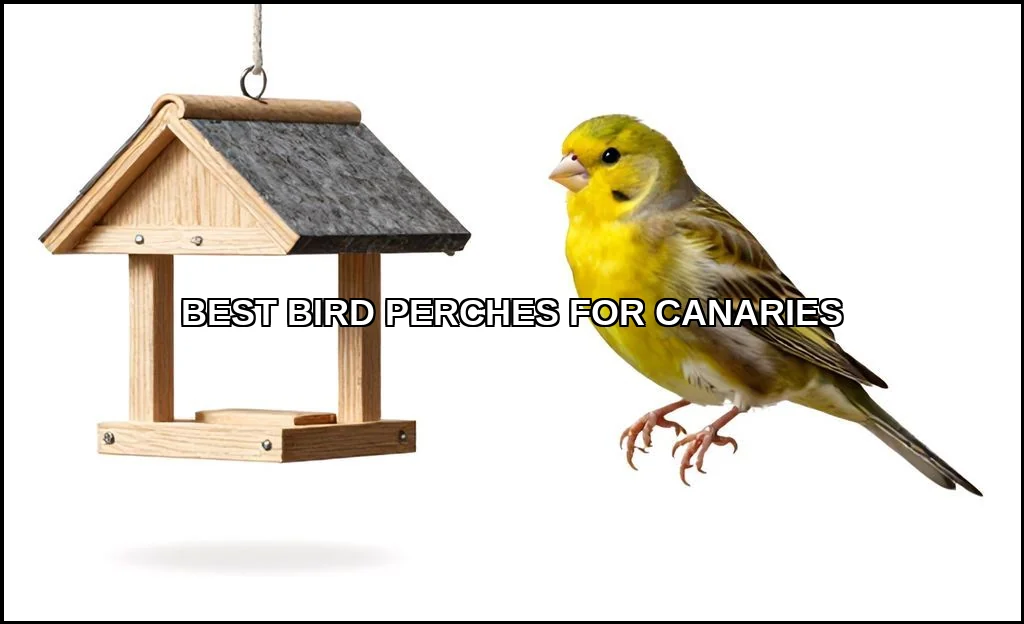
Why Proper Perches Matter for Canary Health
A canary’s foot anatomy is designed to grip varied branches in the wild. In captivity, uniform, smooth dowels fail to provide the necessary stimulation. This leads to pressure sores, arthritis, and atrophied foot muscles. The goal is to mimic nature’s complexity inside the cage.
Beyond foot health, perches are central to bird cage enrichment. Different textures and placements encourage movement, play, and natural behaviors like climbing and shredding. A well-perched cage is a dynamic environment, reducing stress and boredom. It’s a simple upgrade with profound effects.
Top 5 Perch Materials: Pros and Cons
Not all perch materials are created equal. Each serves a unique purpose in your canary’s cage ecosystem. Variety is not just the spice of life; it’s a requirement for avian foot care.
1. Natural Wood Perches
These are the gold standard, replicating a wild canary’s experience. Natural wood offers unpredictable textures, gentle give, and is safe for chewing. The bark provides excellent grip. Opt for hardwoods like manzanita, dragonwood, or apple. Avoid softwoods like pine if treated, and always source from pesticide-free suppliers. They are a core component of any canary cage accessories collection.
2. Concrete and Pumice (Pedicure Perches)
Often called pedicure perch types, these are essential for nail and beak maintenance. The abrasive surface files down nails naturally. However, they should never be the primary sleeping or resting spot due to their hardness. Place them near high-traffic areas like food bowls. A common question is: are concrete perches safe for canaries? Yes, but in moderation and with correct placement to prevent chilling.
3. Rope Perches
Made from sisal or cotton, rope perches offer a soft, flexible surface. They’re fantastic for adding unique shapes and are gentle on feet. The major caveat is maintenance; loose threads can entangle toes, and soiled rope is difficult to clean. Regular inspection is non-negotiable. Brands like JW Pet make popular, safe versions.
4. Dowel Perches
The classic, often included with cages. While perfectly smooth dowel perches are problematic as the only option, they have a place. They can be useful as a stable platform near a food dish. The key is to never let them be the sole texture available. Sand them to create slight variations or wrap them with vet tape for temporary texture.
5. Therapeutic & Specialty Perches
This category includes calcium perches, heated perches, and those designed for specific therapy. A heated perch can aid in perch temperature regulation, especially for older birds or in drafty rooms. Always consult an avian veterinarian before using therapeutic products to ensure they suit your bird’s specific needs.
Ideal Perch Sizes and Diameters for Canaries
Getting the size right is critical. A perch that’s too thin or too thick forces the foot into an unnatural, cramped, or over-extended position. This constant strain is a direct path to foot problems.
So, what size perch is best for canaries? The sweet spot for a primary perch diameter is between 3/8″ and 5/8″. Their toes should wrap around the perch without the nails touching on the other side, and the foot pads should rest flatly without the toes stretching completely straight.
- Varied diameters are non-negotiable. Provide a range within that spectrum. This continuously exercises different foot muscles and tendons, preventing stiffness.
- Consider bird perch sizes for different functions. A slightly thicker, stable perch is ideal for sleeping. Thinner, more flexible perches encourage active play and climbing.
- Don’t forget length. Perches should be long enough for the bird to move along them comfortably, but not so long they sag dangerously in the middle.
How to Arrange Perches in Your Canary’s Cage
Cage geography matters. Thoughtful perch placement creates a stimulating, safe, and efficient living space. It’s about building a landscape, not just sticking bars randomly.
How to arrange perches in canary cage effectively? Start by avoiding the “ladder” effectperches directly above one another. This leads to droppings contaminating lower perches and the bird below. Stagger them diagonally across the cage to promote flight and hopping.
- Place the primary sleeping perch high. Canaries feel safest sleeping at the highest point. Make this one of the most comfortable, natural wood perches.
- Create activity zones. Place a pedicure perch near a frequently used area, like next to a food cup. Install a rope perch in a play area for climbing.
- Leave clear flight paths. Ensure your bird can flap from one side of the cage to the other without hitting a perch. This encourages crucial exercise.
- Consider UV exposure. If you use a full-spectrum light for UV-perch compatibility, ensure a perch is placed within the recommended distance so your bird can benefit from the light while perching.
Remember the value of perch rotation. Switching out a few perches every month refreshes the environment and maintains interest, much like finding the best birdhouses involves considering how the interior layout supports natural behavior.
Maintenance and Safety Tips for Bird Perches
A dirty or damaged perch is a health hazard. Regular upkeep is as important as the initial selection. It’s a key part of preventing pressure sores and infections.
Cleaning Protocols
Establish a routine. Natural wood and dowel perches can be scrubbed with a bird-safe disinfectant, rinsed thoroughly, and baked at a low temperature (200F) to dry completely. Rope perches may need to be replaced if heavily soiled. Concrete perches can be scrubbed and soaked.
Safety Inspections
- Check for wear daily. Look for cracks, splinters on wood, or fraying on rope. A damaged perch can cause serious injury.
- Monitor perch abrasiveness. A pedicure perch that becomes too smooth loses its function. Conversely, one that’s too rough can damage foot pads.
- Secure all perches firmly. They should not spin or wobble under your bird’s weight, which can lead to falls and stress.
Just as you’d maintain a heated bird bath in winter to ensure safety, perch upkeep requires consistent attention. For a deeper dive into selection philosophy, this authority guide from Audubon is an excellent official source.
Addressing Missing Entities: Temperature and Enrichment
Most guides miss two subtle points. First, perch temperature regulation: plastic and metal perches can get very cold, while dark natural wood in direct sun can overheat. Consider the cage’s location. Second, the perch vs. swing benefits: swings are fantastic for balance and core strength but often have a single, uniform diameter. Use them as a supplement to a varied perch setup, not a replacement.
Your canary’s world is largely defined by the bars it stands on. By providing a diverse mix of safe materials, enforcing varied diameters, and arranging them with purpose, you build more than a cage. You create a habitat that actively promotes vitality. Start with one new, textured perch. Observe how your bird interacts with it. That curiosity and comfort are the real markers of success, turning a simple accessory into a cornerstone of lifelong health.
