
Choosing the right perch for your dove isn’t just about cage decoration. It’s a foundational element of their health and happiness. Doves spend nearly all their time on their feet, making perch selection a critical aspect of bumblefoot prevention and overall well-being. The wrong perch can lead to serious foot problems, stress, and discomfort.
This guide cuts through the confusion. We’ll explore dove-specific needs, from materials to placement, helping you create a safe and stimulating environment. You’ll learn how to select perches that promote natural perching behavior and keep those delicate feet in top condition. For a ready-made solution that ticks many boxes, many dove owners start with a set like the CZWESTC 8PCS Natural wood perches, which offer a great variety of shapes and textures right out of the box.
Understanding Dove Perching Behavior and Needs
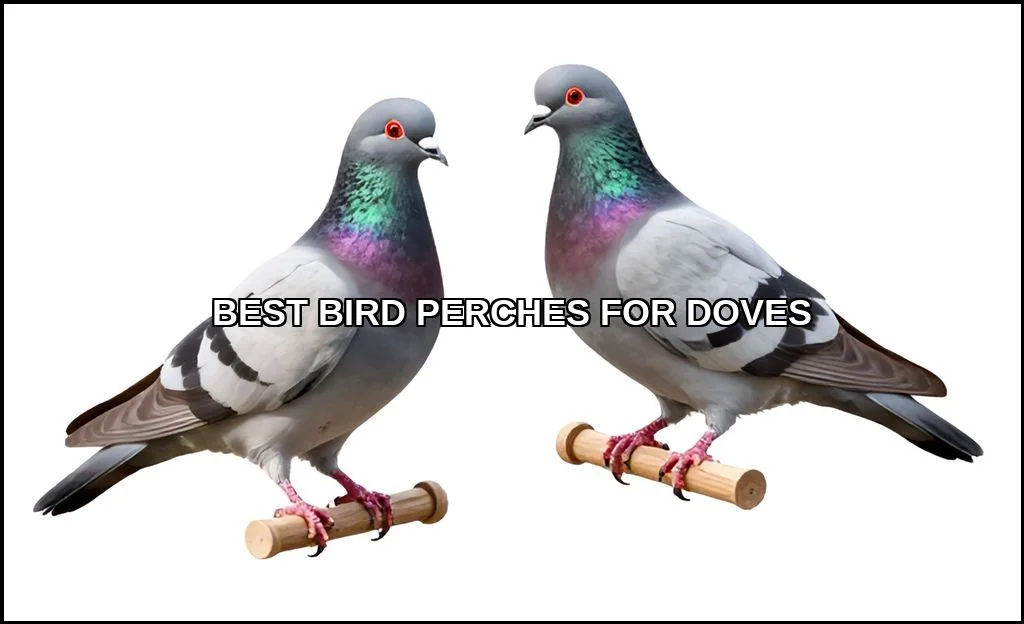
Doves, including Ringneck Doves, Mourning Doves, and Diamond Doves, are ground-foraging birds that also love to perch. Their perching needs differ from hookbills like parrots. They prefer wider, flatter surfaces that allow them to rest comfortably without constantly gripping. Their feet are designed for stability, not for manipulating food.
An avian veterinarian will tell you that improper perching is a leading cause of pododermatitis, or bumblefoot. This painful infection starts with pressure sores from standing on hard, uniform surfaces. Meeting their dove perching needs requires thoughtfulness. It’s not one-size-fits-all. You must consider species, age, and individual preference to ensure true dove comfort perches.
Why Perch Variety is Non-Negotiable
A single type of perch is a recipe for trouble. Doves need variety underfoot to exercise different muscles and pressure points. Imagine wearing the same pair of shoes, on the same surface, every single day. Your feet would protest. Theirs do too. Offering varying diameters and textures is the single best thing you can do for dove foot health.
Key Features of the Best Dove Perches
When evaluating bird cage accessories, focus on these three pillars: material, size, and texture. Getting this combination right solves most common perch problems.
Material Matters: Safety and Function
The best materials mimic what doves encounter in nature while serving a purpose in captivity.
- Natural Wood/Branch Perches: The gold standard. Natural wood perches for doves provide an irregular surface that promotes healthy foot exercise. Always use bird-safe, untreated wood like manzanita, dragonwood, or apple. This is a great area for DIY perch construction from safe woods if you’re crafty.
- Rope & Sisal Perches: Rope perches for birds offer a soft, yielding surface that’s gentle on feet. They’re fantastic for adding flexible pathways across the cage. Ensure they are tightly woven to prevent toe snags and monitor for fraying.
- Concrete/Pumice Perches: Concrete perches for doves are specialized tools. Their abrasive surface helps naturally file down nails. They should never be the primary perch. Place one strategically where your dove often lands or near food/water, so it gets used regularly but not constantly.
Getting the Size Right
Perch size for doves is critical. A perch that’s too thin forces their toes to over-grip. One that’s too wide doesn’t allow for any grip at all. The ideal dove perch diameter allows their toes to wrap around about 2/3 to 3/4 of the perch. For most common doves, this translates to a range of 3/4″ to 1.5″.
So, what size perch is best for ringneck doves? Aim for the middle to upper end of that range, around 1″ to 1.5″. Smaller Diamond Doves will prefer the lower end. Always include multiple sizes in this range within the same cage.
The Importance of Texture and Grip
Smooth, plastic dowels are the worst offenders. Seek out perches with natural bark, ridges, or a sandy texture. This grip texture encourages secure footing and provides a stimulating surface. It’s a key feature in preventing slips and falls, which can be particularly stressful for these birds.
Top Dove Perch Recommendations
Heres a breakdown of excellent perch types, with their pros and cons, to help your avian perch selection.
| Perch Type | Best For | Pros | Cons |
|---|---|---|---|
| Natural Branch Perches (e.g., Manzanita) | Primary perching, foot exercise | Ideal texture & varying width, durable, natural | Can be pricey, may need sizing |
| Rope Perches (e.g., brands like JW Pet) | Comfort, flexible placement, cage connectors | Soft on feet, customizable shape | Requires vigilant cleaning, can fray |
| Concrete/Pumice Perches (e.g., Penn-Plax) | Nail maintenance, secondary use | Files nails naturally, often easy to clean | Too hard for primary use, can be cold |
| Platform Perches | Resting, older doves, foot relief | Provides flat resting area, reduces pressure | Takes up more space, needs frequent cleaning |
| Thermo-Perches | Comfort in cooler climates | Provides gentle warmth | Requires power, should be one option among many |
Mixing several of these types creates the perfect environment. Brands like Super Bird Creations offer great combo packs. Remember, the goal is variety.
How to Set Up Perches in Your Dove’s Space
Where to place perches in a dove aviary or cage is as important as the perches themselves. Poor placement wastes space and limits activity.
Cage Setup for Movement
Think in three dimensions. Don’t cluster all perches at one height. Place them at different levels to encourage climbing and light flight. Crucially, create clear perch placement for flight paths and exercise. Your dove should be able to flap a few times between perches. This turns their cage into a gym, not just a room.
- Place one perch high (but not touching the top) for sleeping/security.
- Place another near (but not over) food and water dishes.
- Use a rope perch to create a diagonal pathway across the cage.
- Leave plenty of open space for wing-stretching.
Aviary Considerations
In a larger aviary, you have more scope. Create landing spots near different resourcesbathing areas, feeding stations, shelters. Use natural branches of varying thicknesses to simulate a tree canopy. This setup encourages natural exploration and flock dynamics if you have multiple doves.
Perch Maintenance, Safety, and Common Mistakes
Even the perfect perch becomes a hazard if neglected. Bird perch cleaning is a weekly, non-negotiable task. Droppings and food matter create a breeding ground for bacteria.
A Simple Cleaning Protocol
- Weekly: Remove perches and scrub with a bird-safe disinfectant or hot, soapy water. A bottle brush is perfect for crevices in natural branch perches.
- Rinse thoroughly and air-dry completely before returning to the cage. Damp perches can cause fungal issues.
- Daily: Spot-clean obvious droppings during your routine cage maintenance.
Safety Checks and Mistakes to Avoid
How to choose safe perches for mourning doves and all doves involves vigilance. Here are the top pitfalls:
- Using Sandpaper Covers: These are abrasive and can cause serious foot lesions. Avoid them entirely.
- All Same Size/Type: We’ve covered this, but it’s the number one error. Uniformity is the enemy of foot health.
- Poor Placement: Perches directly over food/water get soiled quickly. Perches that block the door make access difficult.
- Ignoring Wear and Tear: Check rope perches for fraying. Sand down any sharp splinters on wood perches. Replace worn items promptly.
- Forgetting the “Why”: Every perch should serve a purposeresting, filing nails, exercising feet. If it doesn’t, reconsider it.
For more creative ideas on building your own, the National Audubon Society offers an excellent authority guide on DIY perch construction for wild birds, with principles that can inspire safe indoor designs.
Building a Holistic Habitat
Your dove’s perches are part of a larger system. Their comfort depends on a well-rounded habitat. Just as you’d provide a quality heated bath in winter for outdoor birdscheck out our guide on the best heated bird bathsindoor doves need a complete setup. This includes appropriate housing, which you can explore in our review of the best birdhouses with cameras for monitoring, though dove cages will have different requirements.
Selecting the best materials for dove perches to prevent bumblefoot is a proactive act of care. It combines observation with knowledge. Watch your dove. Does it favor one perch? Does it struggle to grip another? Their behavior will tell you what’s working. Start with variety, prioritize safety and texture, and maintain diligently. Your reward will be a healthy, active dove with strong feet and a contented demeanor. Thats the ultimate goal.
