
Choosing the right perch for your pigeon isn’t just about buying a stick. It’s a foundational element of their daily life, impacting everything from foot health to mental well-being. A poor perch can lead to serious issues like bumblefoot, while a well-chosen one supports natural behaviors like pigeon roosting and preening. Your goal is to create a habitat that mimics the variety and safety of the wild.
Think of perches as essential bird cage accessories, but for a loft or aviary. They are your pigeon’s furnitureplaces for rest, observation, and social interaction. The wrong size or material can cause discomfort over hours of standing. Getting it right means considering material, diameter, texture, and placement. For a simple, effective start, many pigeon keepers find value in multi-packs like the Coloch 20 Pcs set, which offers variety and is a practical choice for outfitting a new loft.
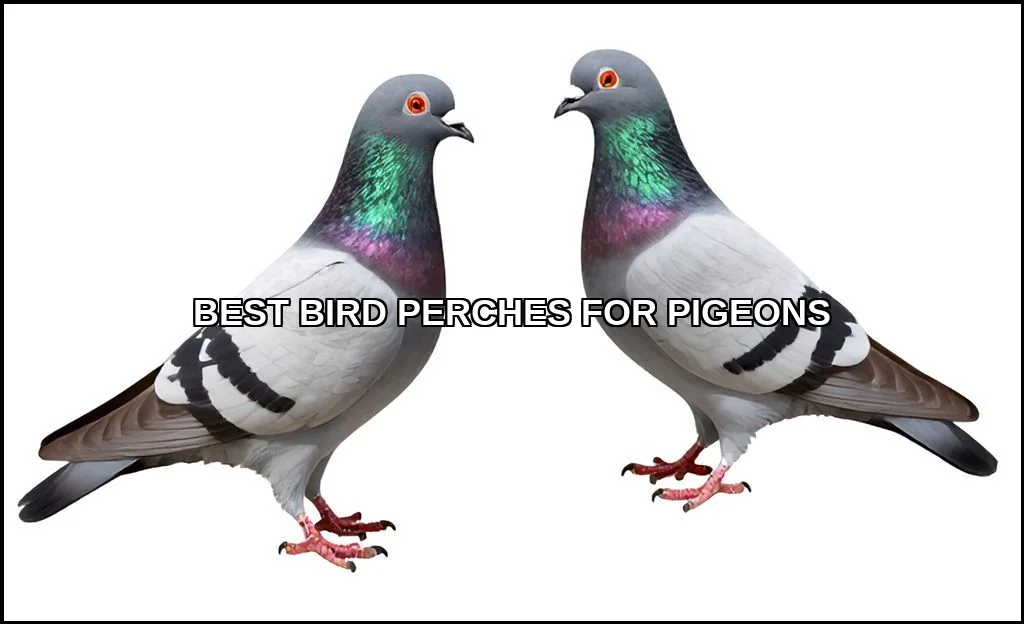
Top Pigeon Perch Products: Reviews & Recommendations
Not all perches are created equal. The market offers a range, from basic dowels to specialized designs. Heres a breakdown of top categories and what they offer for pigeon comfort and avian foot health.
1. Natural Wood Perches
These are the gold standard. Natural branches provide an uneven surface that exercises foot muscles and prevents pressure sores. Brands like Super Bird Creations excel here. Look for untreated, bird-safe woods like manzanita or dragonwood. The varying diameter variation is keyit forces the feet to grip differently, promoting strength.
2. Rope Perches
Made from cotton or sisal, rope perches like those from JW Pet offer a soft, flexible option. They’re great for adding different textures and are gentle on feet. However, they require vigilant maintenance. If a pigeon chews and frays them, threads can entangle toes. They must be checked regularly and replaced when worn.
3. Cement or Concrete Perches
Often marketed for nail filing, these perches are excellent for bumblefoot prevention. The rough surface helps keep nails and beaks trimmed. But use them strategically. They should not be the primary resting spot due to their hardness. Place them near food/water areas where pigeons land frequently, not where they sleep for hours.
4. Platform Perches
Essential for certain breeds! Fantails, Modenas, and other large-breasted pigeons struggle with narrow perches. A flat platform perch gives them a stable, comfortable bird resting spot. It also benefits older or arthritic birds. Think of it as giving them a little porch to relax on.
5. DIY Natural Branches
Don’t overlook the free option. Securely mounted branches from non-toxic trees (apple, elm, ash) can be the best pigeon roosts. You control the size and shape. Just ensure they are cleaned, debarked in spots to prevent mites, and sanded of sharp edges. This approach is perfect for creating a custom loft environment.
Key Features to Look For in a Pigeon Perch
Beyond the type, specific features determine if a perch will help or harm. This is where you become a savvy shopper for your avian friends.
Material & Safety
The material dictates safety and function. Natural wood is breathable and offers the best grip texture. Plastic or slick painted perches are a hard nothey cause slipping and don’t wear nails down. For a comprehensive look at materials, this authority guide from Audubon is an excellent official source.
- Wood: Prioritize untreated, hardwoods. Softwoods like pine can splinter.
- Rope: Choose tightly woven, cotton-based ropes. Inspect frequently.
- Cement: Ensure it’s a high-quality, non-abrasive blend meant for birds.
Size & Diameter: The Critical Measurement
This is non-negotiable. A perch that’s too thin or too thick strains tendons. For most standard pigeons (like Homers), a diameter range of -inch to 1.5 inches is ideal. Their toes should wrap around 2/3 to 3/4 of the perch, not meet or barely touch. So, what size perch is best for racing pigeons? Stick to that 1-inch to 1.5-inch range for their stronger build. Always provide multiple diameters in the loft.
Texture and Grip
The surface should be naturally textured or slightly rough. Smooth surfaces force the bird to grip too tightly, leading to foot cramps. The irregular surface of natural wood or the gritty feel of a cement perch provides the necessary traction. This is a core component of avian perching health.
Placement and Setup Guide for Your Loft
Where you put perches is as important as what they are. Strategic placement reduces conflict, encourages exercise, and keeps areas clean.
Where to place perches in a pigeon loft? Follow these rules:
- Avoid Over Food/Water: Prevent droppings from contaminating supplies. Place perches to the side or above, but not directly over.
- Create a Perch Hierarchy: Install perches at varying heights. Higher perches are naturally more desirable. This reduces squabbling and satisfies their instinct to seek safe, elevated pigeon roosting spots.
- Encourage Flight Paths: Don’t clutter the flying space. Place perches along walls and in corners, leaving the center open for takeoff and landing.
- Consider Breed Needs: Place platform perches in easily accessible, low-stress areas for heavy-breasted breeds like Fantails.
This variety isn’t just physicalit provides mental stimulation. Different perches in different locations create a more engaging environment, preventing boredom. It’s a missing entity many basic guides overlook.
Maintenance, Cleaning, and Safety Protocols
A dirty perch is a health hazard. Establishing a routine is simple and vital.
Cleaning Schedule
Perches should be wiped down weekly and thoroughly scrubbed monthly. Rope and porous wood perches may need more frequent attention. The key is choosing materials that are easy to clean. Smooth, hardwoods or sealed concrete can be scrubbed and disinfected quickly.
Inspection is Key
Every time you clean, inspect. Look for:
- Cracks or splinters in wood that could harbor bacteria or cause injury.
- Fraying on rope perches that could snag a toe.
- Build-up of droppings that has hardened (a sign the perch needs moving).
Preventing Bumblefoot (Pododermatitis)
This inflammatory foot condition is a major risk. Bumblefoot prevention hinges on three factors: clean perches, proper diameter, and varied textures. Hard, uniform perches create constant pressure on the same spot on the foot. A mix of perch types and sizes distributes pressure naturally. It’s the single best thing you can do for long-term avian foot health.
DIY Perch Building: A Quick, Safe Guide
Building your own dove perches is rewarding and cost-effective. Heres a safe method.
- Source Wood: Use only wood from trees confirmed non-toxic to birds. Oak, ash, maple, and fruit trees are generally safe. Never use pressure-treated wood.
- Prepare the Branch: Cut to your desired length (8-18 inches is a good range). Scrub with a bird-safe disinfectant (diluted vinegar works). You can optionally remove some bark to eliminate hiding spots for pests.
- Sand & Mount: Sand any sharp ends or splinters. Mount securely using stainless steel screws or brackets. Ensure it doesn’t wobble or spin under weight.
This DIY approach lets you customize the loft perfectly, creating unique bird resting spots that commercial products might not offer.
Choosing for Specific Pigeon Breeds
A one-size-fits-all approach fails with pigeons. Their body shape dictates their needs.
| Breed Type | Primary Perch Need | Key Consideration |
|---|---|---|
| Racing Homers & Rollers | Standard natural wood perches | Focus on diameter variation and grip texture for strong, healthy feet crucial for flight. |
| Fantails, Modenas, Pouters | Wide platform perches | Their large chests throw off balance. They need flat, stable surfacesnarrow perches cause stress and falls. |
| Small Doves (Diamond Doves) | Thinner natural wood or rope | Scale down diameter to -inch to -inch. Ensure all perches are appropriate for their tiny feet. |
Just as you’d choose specific features for the best birdhouses for different species, tailor your perch selection to your pigeon’s physique.
Your pigeon’s feet are their constant point of contact with their world. Investing in the right perchesa mix of types, sizes, and texturesis a direct investment in their health and happiness. It prevents painful conditions, encourages natural behavior, and makes their loft a true home. Start by auditing your current setup. Replace any uniform dowels, add a platform for heavy breeds, and implement a cleaning schedule. Its a simple upgrade with profound effects. And remember, their overall environment matters too; consider elements like a best heated bath for year-round wellness. Provide variety, ensure safety, and watch your pigeons thrive on their perfect perches.
