
Your budgie is a bundle of energy and curiosity. A bored budgie is often a loud, feather-plucking, or anxious one. Providing the right bird cage accessories isn’t just about decoration; it’s about fulfilling their instinctual needs for play, exploration, and mental challenge. The right toys prevent behavioral issues and promote a long, happy life.
Think of their cage as a dynamic environment, not just a home. Bird enrichment is the key. It simulates the complex tasks they’d perform in the wild, like foraging for food and shredding bark. This guide will help you navigate the world of budgie toys and parakeet toys, focusing on safety, variety, and what truly engages your feathered friend.
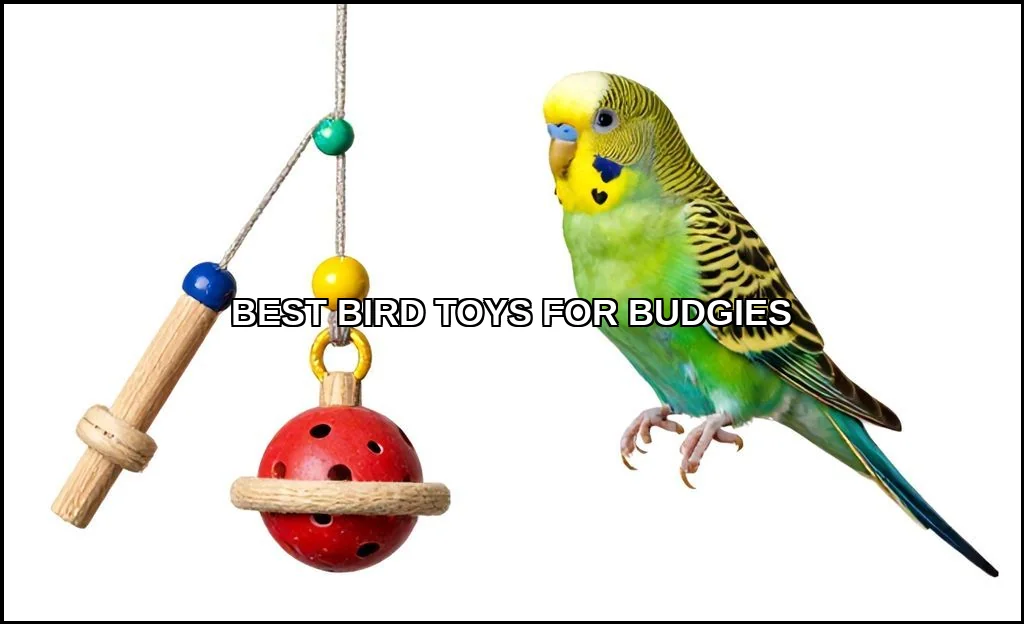
What Do Budgies Need From Their Toys?
Budgies are intelligent, social foragers. In the wild, they spend hours chewing, climbing, and searching for food. Captivity removes these natural challenges. Your job is to put them back. Effective toys cater to three core behaviors: chewing (destruction), foraging (problem-solving), and preening/manipulation. A mix of all three prevents boredom. A simple but highly effective starting point is a well-made swing. It satisfies their need to perch and move, and many budgies enjoy the gentle rocking motion. For a sturdy, size-appropriate option, many owners find success with the Swing Hanging Standing, which provides a stable play and rest area right inside the cage.
The Role of Color in Bird Vision
Here’s a nuance many miss. Birds see a broader color spectrum than humans, including ultraviolet light. Toys with bright, UV-reflective colors like certain blues, purples, and greens can be more visually stimulating. Reds and oranges also stand out. When choosing toys, consider a colorful variety to captivate their unique vision. This is a simple way to boost engagement instantly.
Types of Budgie Toys and Their Functions
Not all small bird toys are created equal. Each type serves a distinct purpose in your budgie’s parakeet enrichment plan. Rotating through these categories is the secret to a stimulated bird.
1. Shreddable and Chew Toys
These are arguably the most important. Made from safe paper, cork, sola wood, or palm leaves, they satisfy the innate need to destroy. Brands like Planet Pleasures excel here. Destruction is a healthy, stress-relieving activity for a Budgerigar.
- Benefits: Wears down the constantly growing beak, relieves anxiety, provides immense satisfaction.
- Look for: Toys with crinkly paper, woven palm fronds, or soft balsa wood.
2. Foraging Toys
This is where bird mental stimulation truly shines. Foraging toys hide treats, making your budgie work for their food. This mimics natural foraging behavior and can occupy them for hours.
- Types: Puzzle boxes, treat-dispensing balls, cups with lids, or simply crumpled paper with millet hidden inside.
- Pro Tip: Start simple. A folded paper towel with a seed inside is a DIY foraging toy. Gradually increase the difficulty as they learn.
3. Noise-Making and Manipulative Toys
Budgies love to interact with objects that make sound or move. This category includes bells, rattles, and toys with loosely attached plastic or wooden parts they can bat around.
- Safety First: Ensure any bell is of a safe, seamless design where a tiny toe can’t get caught. Bells with a slit are a hazard.
- Best foraging toys for parakeets often combine noise with treat-dispensing, doubling the fun.
4. Climbing and Exercise Toys
Ladders, swings, and ropes promote physical activity. A bird play gym outside the cage is fantastic for supervised out-of-cage time, offering a dedicated space for play and exploration.
Critical Safety Guidelines for Bird Toys
This is non-negotiable. Bird toy safety prevents tragedy. Always inspect new toys and monitor worn ones.
Materials Matter: What’s Safe and What’s Toxic
Only use toys made with non-toxic materials. Avoid anything with zinc or lead, commonly found in cheap metal clips or bells. Unsafe plastics can splinter. Be wary of certain dyed woods; ensure dyes are vegetable-based. When in doubt, stick with natural, untreated materials like those from Super Bird Creations.
The Hardware: Quick Links vs. C-Clips
A major missing topic is attachment hardware. The thin, open C-clips that often come with toys can snap or bend, potentially causing escape or injury. Invest in stainless steel “quick links” or “cage links.” They screw closed securely and are a one-time purchase that upgrades every toy’s safety.
Sizing and Construction
Toys must be size-appropriate for a budgie. Avoid parts they could get their head stuck in. Check for loose threads on rope toys (which can entangle toes) and ensure all parts are securely fastened. Regularly ask yourself, what are the safest toys for budgies in my cage right now? Inspect and rotate.
| Safe Materials | Materials to Avoid |
|---|---|
| Untreated wood (pine, balsa, sola) | Zinc or lead-based metals |
| Vegetable-tanned leather | Plastic that easily cracks |
| Stainless steel hardware | Rope with long, loose fibers |
| Natural palm, seagrass, cork | Toys with small, easily swallowed parts |
Top Recommended Budgie Toy Brands and Products
While you can make DIY bird toys safe for budgies (using untreated cardboard, paper, and natural wood), trusted brands offer convenience and proven safety. Here are a few standouts.
- Planet Pleasures: Known for fantastic, all-natural shreddable toys made from coconut, palm, and kabob wood. Perfect for the avid chewer.
- Super Bird Creations: Offers a huge range of bird chew toys and foraging puzzles designed with safety and intelligence in mind.
- JW Pet: Their Insight line includes clever foraging toys that are excellent for bird mental stimulation.
Matching toy type to budgie personality is key. A timid bird might prefer a simple shredder, while a bold one will attack a complex foraging puzzle. Observe your bird’s reactions.
How to Rotate and Maintain Your Budgie’s Toys
You don’t need a room full of toys. You need a system. Having a small “library” of 8-10 toys and rotating 3-4 into the cage weekly keeps everything novel and exciting. It’s like getting new toys every few days without the cost.
A Simple Rotation Schedule
- Weekly: Swap out 2-3 toys. Put the “old” ones away.
- Monthly: Deep clean all toys in the rotation with bird-safe disinfectant or hot, soapy water. Rinse thoroughly.
- Constantly: Remove and discard any toy that is dangerously worn, frayed, or broken.
This approach directly informs how to choose toys for a young budgie as well. Start with softer shredders and simple puzzles, introducing more complexity as they grow and show confidence.
Integrating Toys with Their Environment
Think beyond the cage. Place a play gym on top of the cage or on a nearby stand. Use toy hooks on walls for out-of-cage exploration. This turns their entire room into an enriching space. For other ways to enhance your bird’s life, consider exploring the best heated bird baths for their avian neighbors outside, or tech-savvy options like the best birdhouse cameras to observe wildlifeits all about creating engaging environments.
Choosing the right toys is an active part of responsible budgie care. Its about providing safety, stimulation, and joy. Focus on natural materials, prioritize foraging and shredding, and never compromise on hardware safety. Remember, a busy beak is a happy beak. By understanding their instincts and providing a rotating arsenal of fun, youre not just filling a cage. Youre enriching a life. For comprehensive care information that complements this toy guide, always consult an official source on avian health and behavior.
