
Parrotlets are tiny parrots with enormous personalities. They’re intelligent, curious, and need constant mental engagement to thrive. Without it, they can develop behavioral issues like feather plucking or excessive screaming. That’s where the right toys come inthey’re not just accessories, they’re essential tools for a happy, healthy bird.
Choosing the best toys for small parrots like parrotlets requires a specific approach. Size and safety are paramount. A toy perfect for a cockatiel could be a hazard for your petite ‘let. This guide dives into the types of toys that work, the critical safety rules, and how to create a dynamic, enriching environment. For instance, introducing foraging toys early can tap into their natural instincts. A great starting point is a well-designed Foraging Toys Parakeet set, which offers the right scale and challenge for their clever minds.
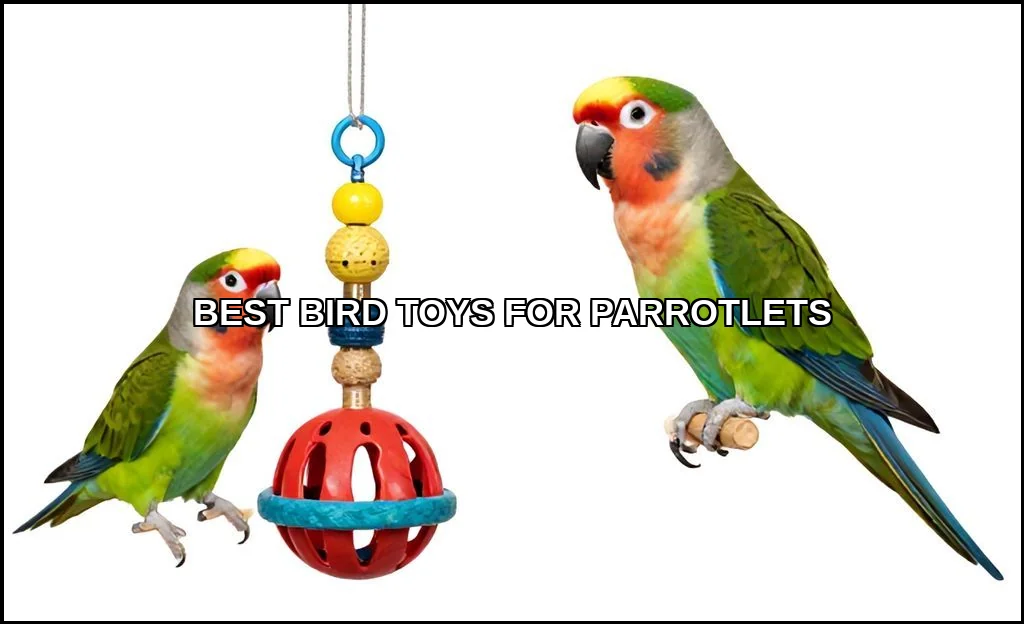
What Parrotlets Really Need: Beyond the Cage
Parrotlet enrichment is about simulating the complex tasks they’d perform in the wild. Think foraging for food, shredding leaves to build nests, and solving simple puzzles. Your goal is to replicate those bird enrichment activities in captivity. This mental workout prevents boredom, which is the root of most companion bird problems.
Their playthings must cater to their powerful beaks and relentless curiosity. A mix of textures, functions, and challenges is key. Don’t just fill the cagecreate a curriculum. This philosophy extends to all bird cage accessories, from perches to baths. Speaking of which, maintaining their environment is a year-round job, much like providing the best heated bird baths for our outdoor avian friends in colder months.
Top 5 Types of Toys for Parrotlets (Ranked by Impact)
Not all small bird toys are created equal. Some will be ignored, others will be destroyed in minutes. This ranked list focuses on categories that deliver the highest engagement and enrichment value for parrotlets.
1. Foraging & Puzzle Toys
The undisputed champion for parrotlet enrichment. These toys make your bird work for their treats, engaging their brain for extended periods. Start simple with cups or rolls and gradually increase complexity.
- Best Foraging Toys for Small Parakeets: Look for designs with sliding doors, small compartments, or shreddable layers that hide millet.
- Brands to Consider: Planet Pleasures makes excellent foraging mats, while Super Bird Creations has clever puzzle boxes scaled for tiny birds.
2. Shreddable & Destructible Toys
Parrotlets have a primal need to shred. Providing safe outlets saves your furniture and satisfies them. These are typically made from bird-safe materials like sola wood, balsa, palm leaf, and seagrass.
- Focus on toys with varied textures: crinkly paper, soft woods, and woven fibers.
- This category is perfect for DIY parrotlet toysthink untreated cardboard strips or coffee filters strung on a safe rope.
3. Wooden Chew Toys
Essential for beak maintenance and jaw exercise. The key is soft, bird-safe woods. Avoid hardwoods meant for larger parrots; they’ll only frustrate your parrotlet.
- Safe Materials for Birds: Balsa, pine, and mahogany (properly cured) are excellent choices. Always cross-reference with an official source on wood toxicity.
- Look for toys with thin slices or small blocks they can actually chip away at.
4. Noise-Making & Interactive Toys
Bells, rattles, and clackers provide auditory feedback and physical interaction. Safety is critical hereensure any bell is welded shut (not slit) to prevent toe entrapment.
- Small, stainless steel bells from brands like JW Pet are a reliable choice.
- Combine these with other types, like a chewable wood piece with a bell attached, for multi-sensory play.
5. Exercise & Climbing Toys
This includes ladders, swings, and especially a bird play gym for outside the cage. Parrotlets are active and need space to climb, flap, and explore.
- A play gym with different textures (rope, wood, chain) and hanging toys becomes their activity center.
- It encourages vital exercise and strengthens the bond as they play near you.
Critical Safety Guide: Materials & Sizes to Avoid
Bird toy safety isn’t a suggestion; it’s a requirement. Their small size makes them vulnerable to hazards a larger bird might handle.
Dangerous Materials
Always inspect toys, even from reputable brands. Heres a quick reference table for what to avoid:
| Material | Risk | Where It’s Found |
|---|---|---|
| Zinc, Lead | Heavy metal poisoning | Cheap metal clips, bells, chains |
| Cotton Rope (long fibers) | Thread entanglement, crop impaction | Soft rope perches, boings |
| Plastic (certain types) | Chemical leaching, sharp shards | Cheap toy components |
| Slit Bells | Toe or beak amputation | Poorly made noise toys |
When in doubt, choose natural. Natural fiber types like sisal, seagrass, and palm are digestible if ingested in small amounts and are fantastic for shredding.
The Size & Scale Problem
A toy meant for a conure can have parts a parrotlet could get stuck in or swallow. Avoid:
- Links or openings larger than 1/2 inch where a head could get trapped.
- Heavy blocks or parts that could cause injury if they fell.
- Long, stringy fibers longer than 2 inches.
Your vigilance is the best safety feature. It’s similar to the careful selection needed for other bird products, like finding the best birdhouses with camerasevery detail matters for safety and success.
DIY Parrotlet Toy Ideas (Budget-Friendly & Fun)
You don’t need a big budget to provide great enrichment. How to make DIY toys for parrotlets is a common question, and the answer is simpler than you think. Use what you have.
- The Cardboard Cascade: String untreated cardboard pieces (from toilet paper rolls or egg cartons) on a stainless steel skewer or safe rope. Hide treats between the layers.
- The Coffee Filter Forager: Poke a hole in a stack of plain brown coffee filters, string them, and tuck a few pellets or seeds inside each one. Watch them shred and search.
- The Wooden Bead Adventure: Buy untreated balsa or pine blocks from a craft store, drill holes, and string them with bird-safe plastic or wooden beads. Ensure the blocks are small enough for them to grip and chew.
The key is supervision. Always monitor your bird with a new DIY toy to ensure they’re interacting with it safely.
Choosing & Rotating Toys for Maximum Engagement
Buying the toy is only half the battle. Implementing a smart toy rotation system is what prevents habituation and keeps your parrotlet curious.
The Art of Selection
When looking for where to buy durable parrotlet toys, prioritize specialty bird stores or reputable online retailers that specify “small bird” or “parakeet” scale. Read reviews focusing on durability for active chewers. Don’t buy in bulk of one typediversify your portfolio.
The Rotation Rhythm
Parrotlets are smart. They’ll solve a puzzle toy and then ignore it. Here’s a simple system:
- In-Cage Arsenal: Keep 4-5 toys in the cage at any time, covering at least 3 of the 5 categories listed above.
- The Weekly Swap: Every 7-10 days, swap out 2-3 of the toys for “new” ones from your storage bin. The “new” toy can be a forgotten favorite.
- Play Gym Variety: Keep a separate set of larger or noisier toys on their bird play gym to make out-of-cage time special.
This constant, low-level novelty directly supports their parrotlet-specific foraging behavior and need to explore. It turns their environment into a dynamic landscape, not a static cell.
Providing the best bird toys for your parrotlet is an ongoing conversation between you and your bird. Watch what they destroy with gusto and what they sidestep. Prioritize safety, champion variety, and embrace the mess of shreds on your floorit’s a sign of a engaged, happy bird. Start with a solid foundation, like a trusted foraging toy, build a rotation system, and don’t be afraid to get crafty. Your tiny companion’s vibrant mental health depends on this playful, thoughtful curation of their world.
