
Choosing the right toys for your parrot isn’t just about keeping them occupied. It’s a fundamental part of their well-being, directly impacting their mental and physical health. A bored parrot is often a destructive or plucking parrot. The right foraging toys and enrichment can channel that natural energy into positive activities, preventing a host of behavioral issues.
For a great starting point that combines durability with fun, many bird owners find success with a versatile set like the Bird Toys Parrot. It offers a mix of textures and challenges that appeal to many species, from curious Conures to playful Caiques. It’s a solid foundation to build upon as you learn your bird’s specific preferences.
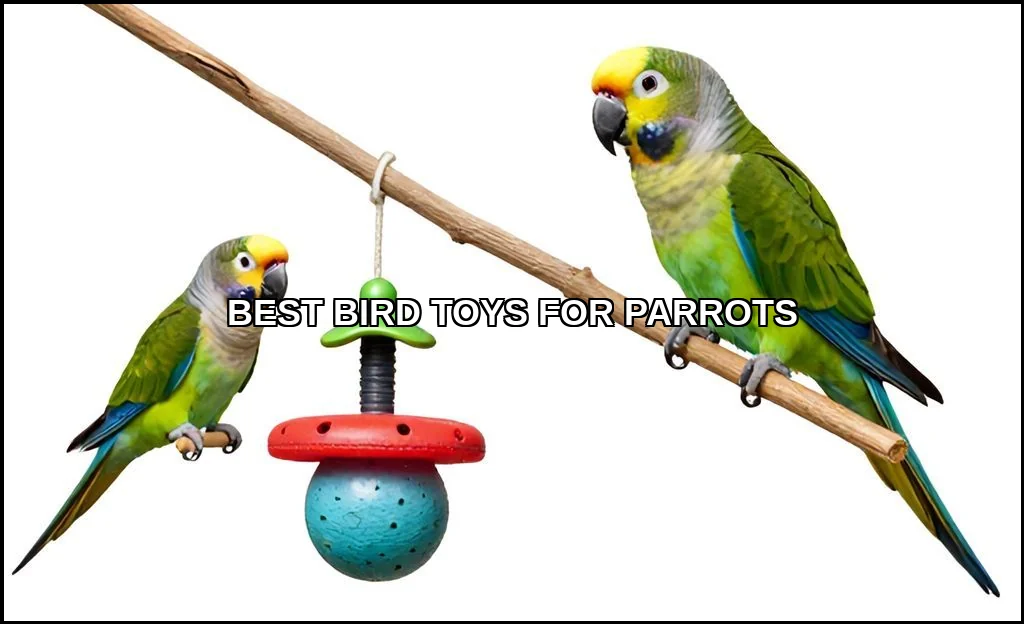
Why Parrot Enrichment is Non-Negotiable
In the wild, parrots spend 70-80% of their waking hours foraging, exploring, and problem-solving. Captivity strips that away. Avian enrichment is our responsibility to fill that void. Without it, intelligence becomes a curse. Destructive behavior like feather plucking, screaming, and chewing furniture isn’t “bad” behaviorit’s a cry for mental stimulation.
Think of toys as tools. They’re not optional accessories; they’re essential parrot cage accessories for psychological fitness. A well-equipped cage mimics a dynamic environment, reducing stress and promoting natural behaviors. It’s the difference between surviving and thriving. For birds known for their intelligence, like the African Grey Parrot, this is especially critical. Their cognitive needs are immense, which is partly which parrots talk so wellthey need constant engagement.
Key Safety Considerations for Bird Toys
Safety always trumps cuteness. A toy that looks fun but poses a hazard is worse than no toy at all. Your first filter for any toy should be bird-safe materials and construction.
Material and Construction Hazards
- Metals: Avoid anything with zinc, lead, or easily rusted metals. Stainless steel, nickel-plated, or powder-coated steel are safe bets for chains and fasteners.
- Plastics: Cheap, brittle plastic can shatter into sharp pieces. Acrylic or harder, food-grade plastics are safer for larger, stronger beaks.
- Fabrics: Loose threads or rope can entangle toes and beaks. Use only tightly woven, natural fiber ropes like cotton or sisal, and monitor for fraying.
- Dyes and Paints: Ensure any colored components use vegetable-based or other non-toxic, bird-safe dyes. When in doubt, plain, untreated wood is best.
Size and Supervision
A toy perfect for a Macaw is a choking hazard for a Conure. Match toy size to bird size. Components should be too large to swallow whole. Always supervise your bird with new toys initially to see how they interact with them. Regularly inspect all toys for wear, damage, or loose parts and replace them immediately. This proactive approach is a cornerstone of bird toy safety.
Types of Parrot Toys by Function
Categorizing toys by what they do helps you build a balanced “enrichment portfolio” for your bird. Rotate types regularly to prevent boredom.
Foraging and Puzzle Toys
Parrot foraging toys are arguably the most important category. They make your bird work for food or treats, engaging their natural problem-solving skills. This can be as simple as a cardboard box with shredded paper hiding almonds, or as complex as multi-step parrot puzzle toys with drawers and levers. Brands like JW Pet and Super Bird Creations offer excellent, graduated foraging systems. Foraging dramatically reduces boredom-related behaviors.
Chew and Destructive Toys
Parrots need to chew. It keeps their beaks trim and satisfies a powerful instinct. Provide designated bird chew toys made of safe woods, cardboard, palm leaf, or cork. So-called destructive bird toys are designed to be destroyedand thats the point! Shreddable toys from Planet Pleasures, made from yucca, sola, or seagrass, are perfect for this. They give your bird a satisfying job and save your woodwork.
Preening and Interactive Toys
These satisfy social and grooming instincts. They include soft, shreddable materials for “preening,” leather strips, and simple interactive bird toys like foot toys or bells. For solo birds, these can provide a tactile outlet. For a deeper dive into creating engaging environments, check out this guide on the best birdhouse cameras, which highlights technology for monitoring avian activity.
Material Guide: What Makes a Toy Durable
Durability is relative to the parrot’s size and determination. A toy for a Macaw needs to be built like a tank. Heres a breakdown of common bird toy materials and their best uses.
| Material | Best For | Durability Notes |
|---|---|---|
| Hardwoods (Manzanita, Dragonwood, Pine) | Medium to large parrots (Amazons, Greys, Macaws). Ideal for durable wood toys for macaws. | Very high. Withstands powerful beaks for weeks or months. |
| Softwoods (Balsa, Basswood) | Smaller birds, seniors, or light chewers. Great introductory chew. | Low. Easily destroyed, which provides quick satisfaction. |
| Natural Fibers (Sisal, Cotton Rope, Seagrass, Palm) | Shredding, preening, and climbing. Excellent for Caiques and Eclectus parrots. | Medium. Monitored use is key to prevent entanglement. |
| Acrylic & Hard Plastic | Puzzle components, mirrors, and durable shapes for larger birds. | Very high for chewing, but can crack if flawed. |
| Stainless Steel | Fasteners, chains, and rings. The only safe metal for long-term use. | Extremely high. The gold standard for hardware. |
Top Recommendations by Parrot Species
One size does not fit all. A Cockatoo’s play style differs vastly from a Pionus’s. Heres a species-specific lens on choosing parrot enrichment toys.
For Intelligent Foragers: African Grey & Amazon Parrots
These birds are clever and need mental challenges. Focus on complex best foraging toys for Amazon parrots and African Greys. Multi-layered puzzle boxes, treat-dispensing balls, and toys that require tool use (like pulling a pin) are fantastic. Combine these with durable parrot toys made of hardwoods to satisfy their strong, methodical chewing. Boredom is their biggest enemy.
For Power Chewers: Cockatoos, Macaws, & Eclectus
You need indestructible (or destructible-by-design) toys. For how to choose toys for destructive cockatoos and Macaws, think big, hard, and replaceable. Thick manzanita wood blocks, large coconut shells, and heavy-duty acrylic toys are essential. Eclectus parrots, often softer chewers, still enjoy destroying softer woods and palm fronds. Provide a constant stream of approved items to chewits cheaper than replacing a window sill. This is where understanding best toys for large parrots in terms of sheer mass matters.
For High-Energy Players: Conures, Caiques, & Parrotlets
These smaller bundles of energy love to climb, swing, and toss toys. They adore foot toys, small swings, and toys with bells or crinkly parts. Caiques, in particular, are known for their “bouncing” play style and need very sturdy, medium-sized toys they can wrestle with. For all small birds, ensure parts are not a choking hazard. A great resource for understanding the broader context of pet bird welfare, including enrichment, is this authority guide from avian welfare experts.
For the Often-Overlooked: Pionus & Poicephalus Parrots
Pionus parrots can be more reserved but are steady, powerful chewers. They appreciate a mix of medium-hardwood chews and quieter foraging options. Senegal and other Poicephalus parrots are playful and enjoy puzzles and toys they can manipulate with their feet. Don’t underestimate their need for engagement because of their calmer demeanor.
The goal is to see your bird actively engaged, curious, andimportantlytired at the end of a play session. Observe what they destroy, what they ignore, and what fascinates them. Their preferences are your best guide. Rotate toys weekly to keep the environment novel. Investing in a variety of well-chosen toys is an investment in your parrot’s long-term happiness and health. It turns potential problems into playful moments. And thats what sharing your life with a parrot is all about.
