
Choosing the right birdhouse bedding material isn’t just about making a cozy home. It’s a direct investment in the health and safety of your backyard birds. The wrong choice can lead to failed nests, sick chicks, or even fatalities. Your selection of nesting material impacts everything from egg insulation to parasite control.
Think of it as the foundation of a nursery. You’re providing the crucial lining that supports delicate eggs and vulnerable hatchlings. This guide will walk you through the bestand worstoptions, helping you create a safe haven that truly supports avian life.
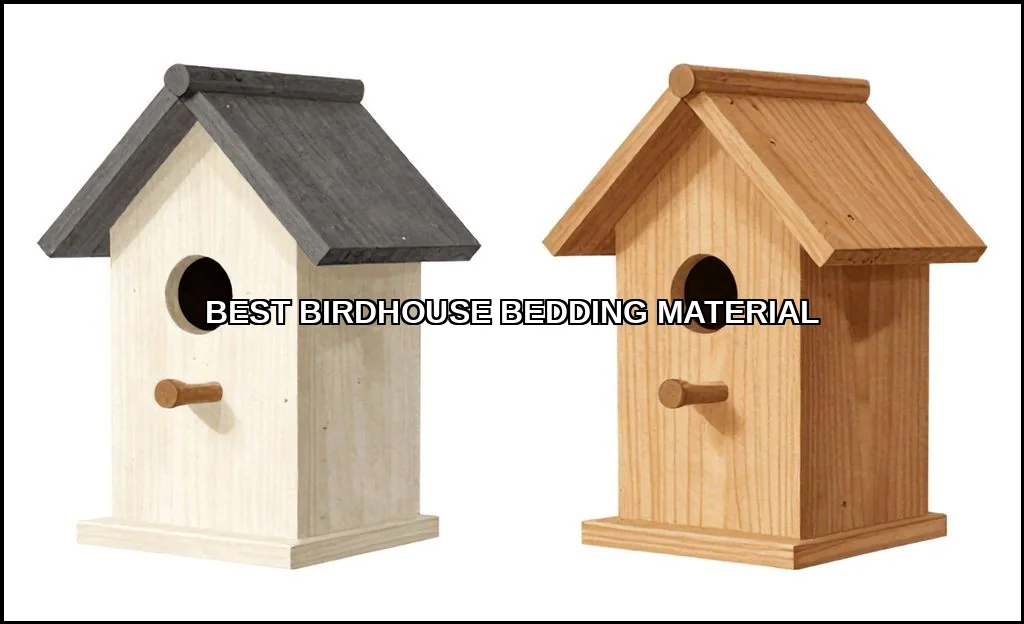
Why the Right Birdhouse Lining is Non-Negotiable
A proper nest box substrate does more than fill space. It regulates temperature, manages moisture, and deters pests. Cavity nesters, from the tiny House Wren to the iconic Eastern Bluebird, rely on this layer for survival. Scientific studies, like those published in The Wilson Journal of Ornithology, show bedding preference can influence nesting success rates.
Your goal is to mimic what birds find in natural cavities: soft, dry, and mold-resistant materials. This approach directly helps you attract birds to nest and ensures their chicks fledge successfully.
Top Recommended Natural Bedding Materials
Stick to materials found in nature. They’re breathable, safe, and perform the necessary functions for a wild bird shelter filling.
Untreated Wood Shavings (Pine or Aspen)
This is the gold standard for many birders. Untreated wood shavings offer excellent drainage and a soft base. Pine is preferred over cedar, which we’ll discuss later. Brands like Heath Outdoor Products often sell bales of clean, fine shavings perfect for this use.
- Pros: Highly absorbent, readily available, provides good insulation.
- Cons: Can be messy to place; must be absolutely dry and free of dust.
- Best For: Bluebirds, chickadees, swallows.
Dried Grass or Straw
An excellent choice for species that naturally weave grasses. It allows for good air circulation, which is key for mold prevention. Ensure it’s dry and free from seeds or chemical treatments.
- Pros: Natural, fibrous structure that birds can rearrange.
- Cons: Can hold moisture if not kept dry; may introduce weeds.
- Best For: House Wrens, sparrows, finches.
Coconut Fiber (Coir)
A superb, sustainable option gaining popularity. Coconut fiber is resilient, resistant to mold, and provides a loose structure perfect for birds to shape. For a convenient, ready-to-use option, many enthusiasts recommend the Sukh 2PCS Coconut fiber liners. They offer an organic birdhouse lining for wrens and other small birds that’s easy to install and replace.
- Pros: Sustainable, excellent moisture-wicking, long-lasting.
- Cons: Can be more expensive than other natural options.
- Best For: Most small cavity nesters, especially in humid climates.
Clean, Dry Moss
Moss is a natural insulator, often used by birds in the wild. It’s soft and holds some moisture without becoming soggy, which can help with egg humidity. Source it responsibly from your own yard or a trusted supplier.
Remember, the species-specific needs of your visitors matter greatly. A Downy Woodpecker, for instance, prefers a deeper bed of wood chips for its unique nesting habits, while a Purple Martin colony has different requirements altogether.
Dangerous Materials to Absolutely Avoid
Some common materials are deceptively harmful. Your vigilance here is critical for creating a safe bedding for birds.
Synthetic Fibers and Fabric
You must avoid synthetic fibers like yarn, dryer lint, or fabric scraps. They seem soft but are dangerous. They can tangle around tiny legs and necks, and they retain moisture, leading to chilling and mold growth.
Treated or Aromatic Wood
Cedar and pressure-treated wood shavings are toxic. The aromatic oils in cedar can irritate birds’ respiratory systems and may interfere with their natural instincts. This answers the common query: is cedar chips safe for birdhouse bedding? The answer is a firm no.
Other Hazardous Fillers
- Sawdust: Too fine; can cake when wet and cause breathing issues for chicks.
- Soil or Sand: Does not insulate, compacts easily, and can harbor bacteria.
- Plastic/Man-made Fluff: Non-breathable and a entanglement hazard.
Your Step-by-Step Guide to Bedding Preparation & Maintenance
Providing bird nesting materials is an ongoing task. Heres how to do it right, from setup to seasonal care.
Step 1: Preparing the Bedding
- Select: Choose your material based on the birds you hope to attract (see seasonal tips below).
- Dry: Ensure everything is completely dry to prevent mildew from day one.
- Fluff: Loosen the material so it’s not compacted. Birds like to do the final arranging.
- Place: Add a 1-2 inch layer to the bottom of a clean birdhouse. Don’t pack it down.
Step 2: Ongoing Maintenance & Hygiene
How often to change birdhouse nesting material? At least once a year, but ideally after each brood fledges. This is the cornerstone of parasite control.
- Wear gloves and a mask for protection.
- Remove all old nesting material and discard it far from the birdhouse.
- Scrub the box with a solution of one part bleach to nine parts water. Rinse thoroughly and let it dry completely in the sun.
- Add a fresh layer of your chosen, dry bedding material.
This annual clean-out, often recommended by the National Audubon Society, disrupts mite and lice cycles, giving the next family a healthy start. For more detailed species guidance, the Cornell Lab of Ornithology serves as an excellent official source.
Seasonal & Species-Specific Bedding Strategies
Your approach should change with the calendar and the species at your door. This attention to detail makes your habitat exceptional.
Winter Preparation
In colder months, birdhouses become roosting boxes for shelter. The best bedding for bluebird houses in winter is a thicker layer of dry pine needles or wood shavings. It provides critical insulation against the cold. Think of it as emergency shelter filling, not just nesting material.
Spring & Summer Nesting
During the breeding season, focus on moisture-wicking materials. Coconut coir or fine grass helps keep nests dry during spring rains, which is vital for chick health. This is the prime time to attract birds looking for a ready-made home base.
Tailoring to Your Guests
| Bird Species | Preferred Bedding Material | Special Note |
|---|---|---|
| Eastern Bluebird | Fine Pine Shavings | Keep it loose; they like to create a cup. |
| Chickadee / Titmouse | Mixed Moss & Wood Shavings | They often bring in fur or soft plant down on top. |
| House Wren | Small Twigs & Grass | They will fill the box completely, then build a nest inside. |
| Woodpeckers (e.g., Downy) | Coarse Wood Chips | Mimics the debris at the bottom of their excavated holes. |
Notice the nuance? The bedding’s role shifts from primary insulation for eggs to a cushioned platform for growing chicks. Providing the right substrate supports the entire lifecycle.
DIY vs. Pre-Made Bedding Options
You have two main paths: gathering materials yourself or purchasing them.
DIY: This can be cost-effective and rewarding. Collect dry grass from chemical-free lawns, gather fallen pine needles, or save untreated wood shavings from a woodworking project. You control the quality.
Pre-Made: Brands like Birds Choice sell clean, bagged materials. This guarantees consistency and eliminates the risk of accidental contaminants. It’s a fantastic option for beginners or those short on time.
The best choice depends on your resources and confidence. Both are valid if the material itself is safe.
Creating a successful bird habitat starts from the ground upliterally. By choosing natural, safe materials like untreated wood shavings, coconut coir, or dry grass, you provide a critical foundation. You now know to avoid synthetics and aromatic woods at all costs. Remember the importance of seasonal changes and rigorous annual cleaning. Your thoughtful preparation does more than fill a box. It supports successful fledglings, contributes to species conservation, and brings the vibrant cycle of life right into your backyard. Start with the bedding, and the birds will follow.
