
Attracting a Northern Flicker to your yard is a special achievement. These large, strikingly patterned woodpeckers bring vibrant life and a distinctive “wicker-wicker-wicker” call. They’re not just visitors; they’re dynamic pest controllers, feasting on ants and beetles other birds often miss. But to host them, you need the right real estatea birdhouse built specifically for their unique needs as cavity nesting birds.
This isn’t about hanging any generic woodpecker birdhouses. Flickers have precise requirements for space, safety, and comfort. Get it wrong, and the house sits empty or, worse, becomes a trap. Get it right, and you’ve secured a seasonal tenant that’s both beautiful and beneficial. For those seeking a top-tier, ready-made solution that addresses a major challenge, the Coveside Starling-Resistant Flicker house is a standout choice, expertly designed to deter invasive starlings.
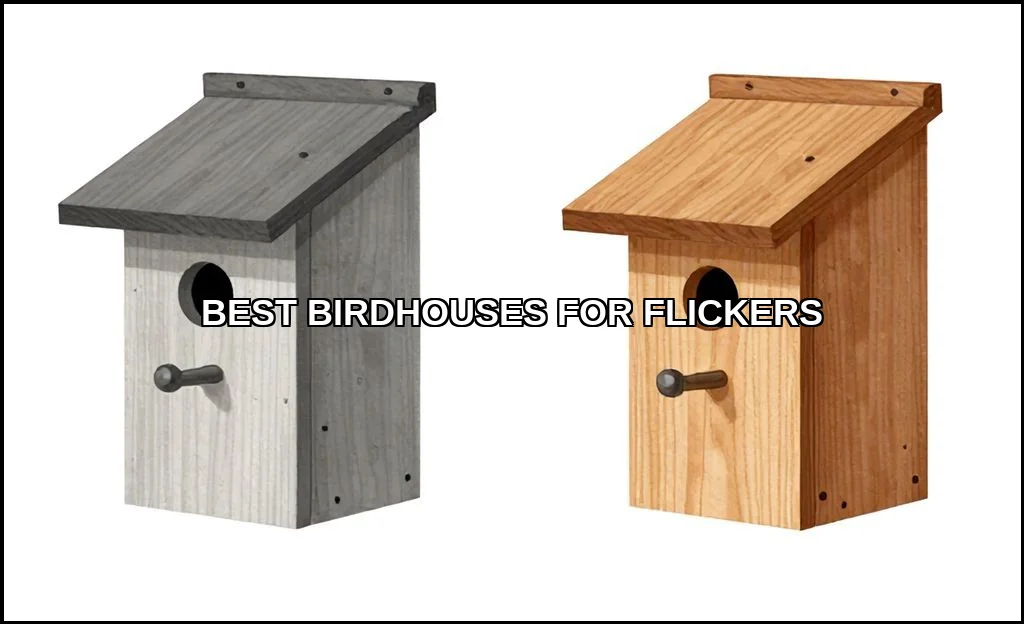
What Flickers Need in a Home
Think of yourself as a flicker realtor. You need to know your client’s non-negotiables. Northern Flickers are primary cavity nesters, meaning they can excavate their own holes but will readily use a properly sized man-made box. Their flicker nesting requirements are specific, born from both instinct and the need to protect their young.
Non-Negotiable Specifications
The dimensions are your blueprint. Stray too far, and the flicker will look elsewhere.
- Entrance Hole Diameter: This is the most critical measurement. The hole must be 2.5 inches in diameter. A 2-inch hole excludes them; a 3-inch hole invites deadly competitors like starlings and raccoons. When searching for what size hole for a flicker birdhouse, 2.5″ is your magic number.
- Nesting Chamber Depth: Flickers need a deep cavity for safety. The interior floor should be 16 to 18 inches below the entrance hole. This depth protects eggs and nestlings from reaching predators and creates a dark, secure environment they prefer.
- Floor Dimensions: A box that is at least 7×7 inches square (or a comparable diameter) provides adequate room for the adults and a brood.
It’s worth noting the subtle differences in a flicker vs woodpecker house. While similar, a house for a Downy or Hairy Woodpecker would have a much smaller entrance (1.25″-1.5″). The flicker birdhouse dimensions are distinctly larger to accommodate their size.
Material and Safety Considerations
What the house is made of impacts its durability and, crucially, the health of its occupants.
Cedar construction is the gold standard. It’s naturally rot-resistant, provides excellent insulation, and weathers beautifully to a silver-gray. Avoid pressure-treated lumber or painted interiors at all costs. The chemicals used, like arsenic and copper, can be toxic to birds, a critical missing entity many DIY guides overlook. Untreated, rough-sawn wood on the interior is perfectit gives fledglings grip to climb out.
Ventilation and drainage are non-negotiable. Small holes near the top allow heat to escape, while holes in the floor corners let moisture drain. A hinged or removable side panel is essential for safe, easy end-of-season cleaning. And never forget a predator guard. This could be a metal plate around the entrance hole to stop squirrels from chewing it wider, or a baffle on the mounting pole.
Features of a Quality Flicker House
Beyond the basic specs, thoughtful design details separate a good house from a great one. These features address the real-world challenges flickers face.
- Extended, Sloped Roof: A roof with a good overhang (3+ inches) helps keep driving rain out of the entrance hole and off the sides.
- Recessed Floor: A floor slightly raised from the absolute bottom of the walls prevents water from seeping in even if the drainage holes get temporarily blocked.
- Secure, Easy-Clean Access: A side that opens with screws or a latch is far superior to a nailed-shut box. You need to clean it annually to prevent parasite buildup.
- Appropriate Mounting Hardware: The house should come with or be compatible with a sturdy mounting system, whether for a tree, pole, or building side.
Brands like Heath Outdoor Products and Woodlink have built strong reputations in cedar birdhouses, while others like Aspects innovate with durable recycled plastic birdhouses. Each material has pros and cons for insulation and longevity.
Top Flicker Birdhouse Picks
Here are five excellent options catering to different priorities, from the dedicated DIYer to the buyer seeking the best ready-made solution.
| Product Name / Type | Key Features | Best For |
|---|---|---|
| 1. Coveside Starling-Resistant | 2.5″ hole with a restrictive internal tunnel, deep 18″ chamber, cedar construction, built-in predator guard. | Areas with heavy starling pressure; “set it and forget it” security. |
| 2. Premium Cedar DIY Plans | Customizable, uses standard lumber, includes tips for rough interior. (Search for DIY flicker birdhouse plans free from reputable sources like forest services). | The hands-on birder who enjoys building and controlling every material. |
| 3. Woodlink Flicker House | Classic, no-fuss cedar design with correct dimensions, easy-clean side, good roof overhang. | Reliability and proven design from a trusted brand. |
| 4. Recycled Plastic Pole-Mount House | Extremely durable, easy to clean, often includes pole kit. Excellent for damp climates. | Low-maintenance longevity and modern, sustainable materials. |
| 5. Insulated Flicker House | Double-walled cedar construction or added foam core. Critical for the best flicker house for cold climates. | Northern regions where late spring cold snaps can threaten eggs and nestlings. |
Installing Your Flicker House for Success
You can have the perfect house, but poor placement means it stays empty. How to attract flickers starts with where you put their home.
Height and Location
The ideal flicker birdhouse placement height is between 6 and 20 feet high. In more open areas, aim for the higher end (16-20 ft). If mounting on a tree, choose a sturdy trunk and use long, flexible fasteners that allow for tree growth. Avoid direct, all-day sun; a spot with morning sun and afternoon shade is perfect. Face the entrance hole away from prevailing winds and rain.
Consider flicker migration patterns. In many areas, flickers are year-round residents, but northern populations migrate. Have your house up by very early spring, well before the nesting season begins in April or May. This timing is another often missing entity in basic guides.
Mounting Methods Matter
Pole-mounted houses offer the most control and safety. You can install a stovepipe baffle below the house to completely thwart climbing predators. This method also allows you to place the house in an optimal open area, as flickers often prefer edges between woods and fields. If using a tree, a metal predator guard around the entrance is mandatory.
Ongoing Care and Seasonal Tips
Your job isn’t over once the house is occupied. Maintenance ensures the flickers return year after year and keeps them healthy.
- Post-Season Cleaning: After the young have fledged in late summer, carefully open and clean out the old nesting material. This removes mites and parasites. Wear gloves and a mask.
- Winter Prep: Leave the clean house up over winter. It provides valuable shelter for non-migrating flickers and other birds from storms. Some people even use a birdhouses with cameras to observe this winter roosting behavior without disturbance.
- Early Spring Check: In late winter, do a quick check. Ensure the entrance is clear, drainage holes are open, and the house is still secure. Make any minor repairs now.
Remember regional variations in flicker subspecies. The “Yellow-shafted” East and “Red-shafted” West have slightly different habitat preferences. Consulting an authority guide like the Cornell Lab of Ornithology’s page can provide specific local insights that boost your success rate.
Providing a home for Northern Flickers connects you to a wilder rhythm. It requires attention to detailthe precise entrance hole diameter, the safe mounting height, the annual cleaning ritual. But the reward is profound. You’ll witness their spectacular courtship, their diligent parenting, and gain a front-row seat to the life of one of North America’s most charismatic woodpeckers. Its a project that demands specificity, much like understanding which parrots suit different owners. Start with the right house, place it with intention, and be patient. Your flicker neighbors are worth the wait.
