
House sparrows are a fixture of urban and suburban life. Their cheerful chirps and bustling energy are familiar to most of us. But attracting them to a birdhouse requires more than just putting up any old box. These adaptable birds, known scientifically as Passer domesticus, have specific needs. Getting it right means you’ll be rewarded with a thriving, active nest right in your yard.
Choosing the best birdhouses for house sparrows involves understanding their unique biology and behavior. It’s not just about providing shelter; it’s about creating a safe, durable home that mimics their preferred nesting cavities. For a reliable, ready-to-hang option that meets many core requirements, many bird enthusiasts start with the STARSWR Bird House. Its simple design and sturdy construction make it a solid foundation for attracting these common, yet particular, birds.
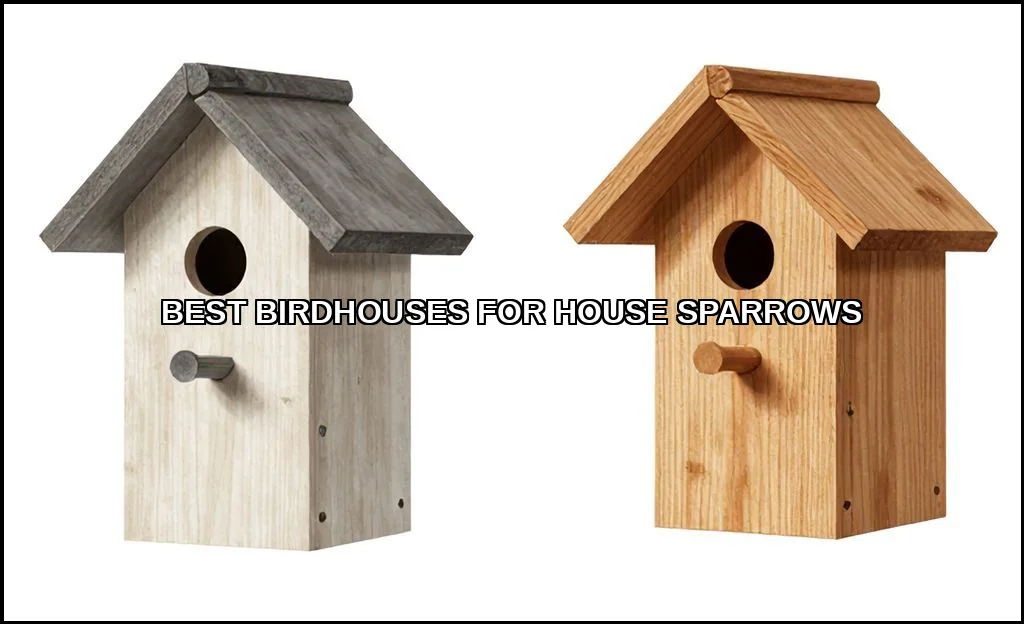
Understanding House Sparrow Nesting Requirements
House sparrows are prolific cavity nesters. In nature, they seek out holes in trees, building eaves, or even streetlights. Their sparrow nesting habits are opportunistic and resourceful. They are also a non-native, invasive species in many regions, which is a critical nuance. Providing a house sparrow nest box supports urban wildlife, but it’s wise to consider your local ecosystem. In some areas, conservationists recommend housing for native species instead.
Their nesting season can be long, often from early spring through summer, with multiple broods. A proper birdhouse supports this intense cycle. It must be secure, weather-resistant, and sized to keep the growing family safe from the elements and predators. This is where specific design becomes non-negotiable.
Key Features of an Ideal House Sparrow Birdhouse
An effective sparrow specific birdhouse isn’t a one-size-fits-all product. It’s built to precise specifications that cater directly to the bird’s instincts for safety and rearing young.
Dimensions and Design
The single most critical measurement is the entrance hole diameter. For house sparrows, this should be between 1.25 and 1.5 inches. This size is large enough for them to enter comfortably but small enough to exclude larger, more aggressive birds like starlings. The interior nesting chamber size should be roughly 4×4 inches at the floor, with a depth of 6-8 inches from the hole to the floor. This deep chamber helps protect eggs and chicks from reaching predators.
Proper ventilation and drainage are what separate a good birdhouse from a deathtrap. Small holes under the eaves allow hot air to escape, while gaps or holes in the floor let moisture drain. Without these features, the interior can become an oven or a swamp. It’s a simple design element with massive impact.
Material and Durability
What’s the best material for outdoor sparrow house? It depends on your priorities. Traditional wooden birdhouses, especially cedar or pine, offer excellent insulation and a natural look. Brands like Heath Outdoor Products are known for quality wood construction. Recycled plastic birdhouses are increasingly popular for their durability, ease of cleaning, and resistance to rot. Nature’s Way offers robust models in this category. For a truly traditional option, gourd birdhouses provide unique aesthetics but require more maintenance to prevent mold.
Material choice directly affects longevity and how easy the house is to maintain. A well-built house should withstand several seasons of sun, rain, and curious squirrels.
Safety and Security
This is where many generic birdhouses fail. A sparrow house predator guard is essential. This can be a metal plate around the entrance hole to stop squirrels or raccoons from chewing it wider. The mounting hardware should be secure, and the house should not swing freely in the wind. Considering their status as an invasive sparrow housing option in some contexts, a secure house also prevents them from easily taking over boxes intended for native speciesa complex but real consideration for the ecologically minded.
Top Recommended Birdhouses for House Sparrows
Based on the criteria above, here are categories and examples that excel as an urban birdhouse for sparrows. Remember, the “best” choice balances design, material, and value.
- The Classic Wooden Box: A cedar birdhouse with a 1.5-inch entrance hole, proper ventilation, and a hinged clean-out panel is a timeless choice. It blends into gardens and provides great insulation.
- The Durable Plastic Option: Recycled plastic models are fantastic for wet climates. They’re often lighter, easier to mount, and a breeze for cleaning sparrow birdhouse interiors at season’s end.
- The Monitoring-Friendly House: For those interested in observing the nesting process without disturbance, consider one of the best birdhouses with cameras. This lets you check on progress remotely, a fascinating tool for any birdwatcher.
When evaluating, always check the stated sparrow birdhouse dimensions against the ideal specs. A little research prevents a season of disappointment. And while house sparrows are common, the principles of good birdhouse design apply broadlymuch like understanding which parrots talk involves knowing their specific behavioral needs.
Proper Placement and Installation Guidelines
You can have the perfect passer domesticus birdhouse, but put it in the wrong spot and it will stay empty. Where to place house sparrow birdhouse locations is a science of its own.
Height and Location
The ideal mounting height is between 8 and 12 feet off the ground. This height is safe from most ground predators and within the birds’ preferred nesting zone. Mount the house on a pole, tree trunk, or under a sturdy eave. Avoid placing it on a thin, swaying branch. Face the entrance hole away from prevailing winds and strong afternoon sun, typically east or north-east is best.
Environment and Proximity
House sparrows thrive near human activity. Place your sparrow house placement within 50-100 feet of a reliable food source, like a bird feeder with millet or cracked corn, and a water source. However, avoid placing it directly above a busy feeder, as the constant traffic may disturb the nest. They prefer a bit of seclusion, even in bustling areas. Think about the impact on local ecosystems; avoid placing it directly next to a bluebird or swallow trail where competition could be harmful.
Maintenance and Seasonal Care Tips
A birdhouse is not a “set it and forget it” item. Seasonal care ensures health, hygiene, and repeated use year after year.
Pre-Season Preparation
In late winter, well before nesting begins, install your clean, empty house. This gives scouts time to find it. If you’re trying to figure out how to attract house sparrows to birdhouse, early placement is your first and biggest step. Ensure all mounting hardware is tight and the house is stable.
In-Season Monitoring
Observe from a distance. Avoid disturbing the house once activity begins. You’ll see adults carrying nesting material, then making frequent food trips. This is where that official source from the Cornell Lab of Ornithology is invaluable for understanding their behavior stages.
Post-Season Cleaning
This is mandatory. After the young have fledged in late summer or early fall, it’s time for cleaning sparrow birdhouse interiors. Wear gloves. Remove the old nest material and scrub the interior with a mild bleach solution (1 part bleach to 9 parts water). Rinse thoroughly and let it dry completely before closing it up. This eliminates parasites and mold, making the house ready for winter roosting or next spring’s tenants. A clean house is far more attractive.
Annual Inspection and Repair
Check for wear each year. Look for cracks, loose joints, or an enlarged entrance hole from chewing. Sand down any rough interior surfaces that could harm chicks. A small investment in maintenance dramatically extends the life of your birdhouse.
Providing a home for house sparrows connects you directly to the daily drama of urban wildlife. It requires attention to detailthe precise entrance hole diameter, the correct mounting height, and diligent predator protection. By choosing a well-designed house like the STARSWR Bird House or a similar quality model, installing it thoughtfully, and maintaining it seasonally, you create a safe haven. You’ll gain a front-row seat to the fascinating cycle of life, right outside your window. Just remember to look beyond the box itself, and consider the broader role these adaptable birds play in your local environment.
