
Attracting a Red-bellied Woodpecker to your yard is a special kind of success. These striking birds, with their zebra-striped backs and, yes, that faint blush of red on the belly, are energetic and vocal residents. They’re also primary cavity nesters, meaning they excavate their own homes in dead wood. But in many suburban and urban areas, suitable natural snags are scarce. That’s where a well-designed birdhouse becomes a lifeline.
Providing a proper nest box does more than just offer shelter. It supports local biodiversity and gives you a front-row seat to fascinating avian behavior. The key is knowing exactly what this species needs. A generic birdhouse won’t cut it. You need a home built to the precise woodpecker nesting requirements of the Red-bellied Woodpecker (Melanerpes carolinus). For a reliable, ready-to-hang option that gets the specs right, many birders start with the SISTERBIRD 2 Pack. It’s a solid foundation that checks many of the critical boxes we’ll discuss.
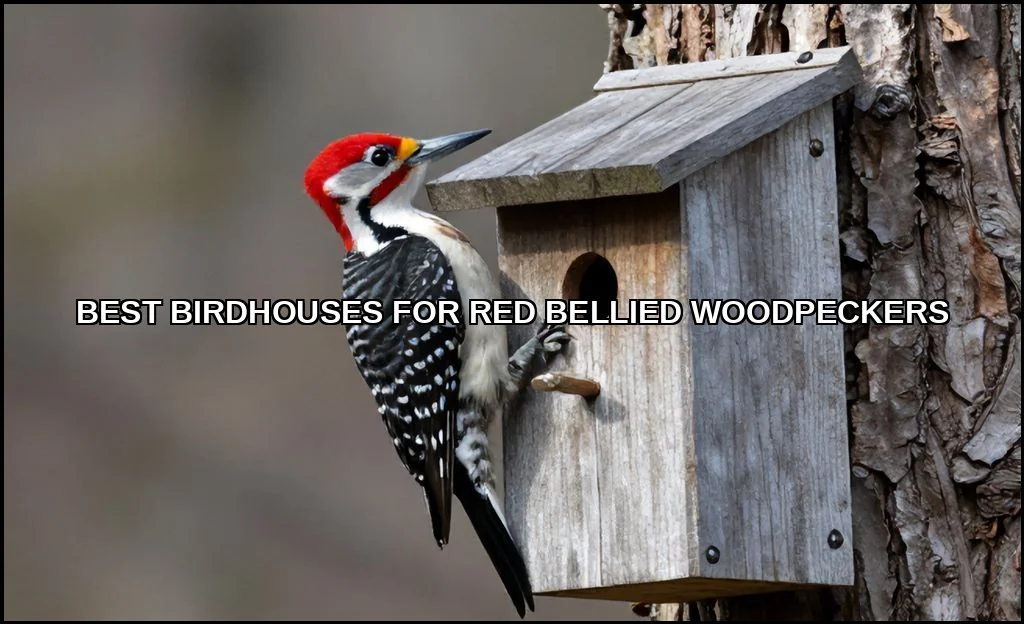
Red-Bellied Woodpecker Nesting Behavior: The Blueprint
You can’t build the right house without understanding the occupant. Red-bellied Woodpeckers are classic cavity nesting birds. In the wild, both males and females chip away at soft, dead trees (snags) for days to create a secure cavity. They don’t bring in traditional nesting material like grass or twigs. Instead, they line the chamber with a bed of fresh wood chips created during the excavation. This is a crucial detail for your birdhouse design.
Their nesting season typically begins in early spring. They may even start scouting in late winter. This is a key missing entity many guides overlook: timing. Have your box up by late February to be considered. They often raise one brood per year, but in southern parts of their range, a second is possible. Monitoring activity is part of the joy. You’ll see frequent visits, hear their distinctive “churr” calls, and may even witness the male’s courtship drumming on your gutters (a behavior you might prefer they take to a tree!).
Regional Preferences and Competitors
While widespread across the eastern U.S., their preferences can subtly shift. In northern climates, a box with thicker walls offers better insulation, addressing that best woodpecker house for cold climates query. In hotter southern regions, ventilation and shade become more critical. And remember, they have competitors. Other cavity nesting birds like starlings or even screech-owls might try to move in. Squirrels and raccoons are the main predators, capable of raiding a poorly protected nest. Your design and placement are your first lines of defense.
Essential Birdhouse Specifications: The Non-Negotiables
This isn’t about aesthetics. It’s about engineering a safe, attractive cavity. Deviate too far, and the woodpeckers will simply ignore it.
Critical Dimensions
Getting the woodpecker house dimensions correct is paramount. Think of it as building code for birds.
- Entrance Hole Diameter: This is the most critical measurement. For Red-bellied Woodpeckers, it must be between 1.5 and 2.5 inches. A 2-inch hole is the sweet spotlarge enough for them, but small enough to exclude larger predators and bully birds like starlings.
- Cavity Depth: The interior floor should be 8 to 12 inches below the entrance hole. This deep chamber mimics a natural excavated cavity, protecting eggs and chicks from reaching predators and the elements.
- Floor Dimensions: A box roughly 6×6 inches at the base provides adequate room.
So, what size birdhouse does a red-bellied woodpecker need? In short: a 2″ entrance leading to a deep, ~6″ wide cavity. A shallow box is an immediate rejection.
Construction Must-Haves
- Untreated Wood: Always. This is non-negotiable. Cedar and cypress are top choices due to natural weather and insect resistance. Avoid pressure-treated lumber or painted interiors; the chemicals can be harmful. This is a vital missing entitystains and paints can off-gas inside the confined space, endangering chicks.
- Rough Interior Walls: The inside front wall, below the hole, should be scored or have a metal grating attached. This gives fledglings the traction they need to climb out.
- Proper Drainage & Ventilation: Drill small holes in the floor corners for drainage. Gaps under the roof or ventilation slots near the top prevent overheating.
- Easy Access for Cleaning: A side or front panel that opens is essential. You must clean out old nesting material at the end of each season to prevent parasites and disease.
Choosing the Right Material: Durability Meets Safety
The best wood for birdhouses balances longevity with safety. Heres a quick comparison of the main durable birdhouse materials categories:
| Material | Pros | Cons | Best For |
|---|---|---|---|
| Cedar | Natural rot resistance, insect repellent, ages beautifully to silver-gray. | Can be more expensive; may warp if very thin. | Most climates; a premium, natural choice. |
| Cypress | Extremely rot-resistant, stable, lightweight. | Availability can be regional. | Humid, wet climates. |
| Recycled Plastic | Virtually indestructible, easy to clean, never rots. | Less natural aesthetic; can get hotter in direct sun. | Extreme weather areas; low-maintenance focus. |
| Pine (if untreated) | Affordable, easy to work with. | Less durable, will rot faster without treatment (which you can’t use). | Budget-friendly DIY projects with shorter lifespan expectation. |
Brands like Heath Outdoor Products and Woodlink are known for quality cedar boxes, while Aspects offers innovative designs in durable materials. The goal is a box that lasts for years without leaching harmful substances.
Installation and Lifelong Care: Placement is Everything
You could have the perfect red-bellied woodpecker nest box, but hang it wrong and it will stay empty. How to attract woodpeckers starts with where you put their house.
Mounting for Success
- Mounting Height: Aim for 10 to 20 feet high on a tree trunk or sturdy pole. This feels secure and mimics their natural woodpecker habitat needs. So, how high should I mount a woodpecker birdhouse? Higher is generally better, within that range.
- Location: Place it in a relatively quiet area, facing away from prevailing winds and strong afternoon sun if possible. Some dappled shade is ideal.
- Use a Predator Guard: This is critical. A metal baffle or cone on the mounting pole stops squirrels and raccoons cold. Without one, you’re inviting tragedy.
Watching these birds can be incredibly rewarding. For an unparalleled view, consider one of the best birdhouses with cameras on the market. It’s a fascinating way to observe without disturbance.
The Maintenance Cycle
Birdhouse cleaning and maintenance is an annual duty. In late winter, before nesting season begins:
- Carefully open the access panel.
- Remove all old wood chips and debris.
- Scrub the interior with a mild bleach solution (1 part bleach to 9 parts water) to kill mites and bacteria. Rinse thoroughly and let it dry completely.
- Check for damage, tighten hardware, and ensure the predator guard is still secure.
This simple routine ensures a healthy home year after year. Its as important as the initial build.
Top Picks and Final Considerations
So, do red-bellied woodpeckers use nesting boxes? Absolutely. They readily adopt them when the box meets their instinctual requirements. When selecting a commercial box, use the specifications above as your checklist.
For a ready-made solution, the previously mentioned SISTERBIRD 2 Pack offers good value and proper dimensions, making it a great starting point. For premium cedar, seek out brands like Woodlink. For ultimate durability in harsh weather, explore recycled plastic options.
Remember, providing a nest box is part of creating a holistic habitat. Supplement with suet feeders, which they love, and preserve dead tree limbs (if safe) as natural “drilling wells” for sap. Your efforts create a sanctuary. For comprehensive behavioral details, the Cornell Lab of Ornithology’s official source guide is an invaluable resource.
Attracting any bird requires understanding its world. Its not so different from learning which parrots talk bestit’s about species-specific traits. By tailoring your approach to the Red-bellied Woodpecker’s exact needs, you transform your yard from a stopover into a home. You give these remarkable carpenters a place to raise the next generation. And thats a reward no feeder can match.
