
Attracting woodpeckers to your yard is a unique thrill. These charismatic, industrious birds are a joy to watch, but they have very specific housing needs. A standard birdhouse simply won’t do. To successfully host these cavity nesting birds, you need a home built to their exacting specifications, from the entrance hole diameter to the interior texture.
Getting it right means understanding woodpecker nesting habits. It’s not just about providing shelter; it’s about mimicking the natural tree cavities they seek. For a ready-made solution that nails several key features, many birding enthusiasts start with the SISTERBIRD 2 Pack. This set offers durable cedar construction and proper ventilation, giving you a solid foundation to work with while you learn the finer points of woodpecker house mounting.
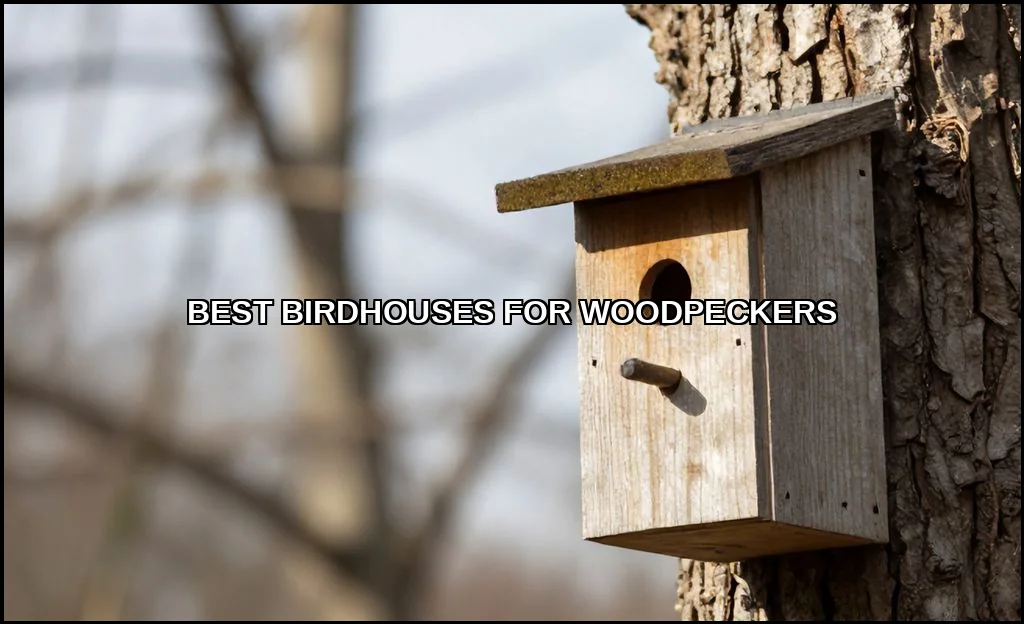
Understanding Woodpecker Species and Their Needs
Not all woodpeckers are the same. Their size varies dramatically, which directly dictates the dimensions of the woodpecker nest box they’ll use. A house meant for a massive pileated woodpecker would be intimidating to a tiny downy. Your first step is identifying which species are common in your region.
This regional focus is often missing from generic guides. While many cover the widespread pileated or downy, you should also consider if you’re in the range of an acorn woodpecker in the West or a yellow-bellied sapsucker in northern forests. Consulting a local authority guide is invaluable for this.
Key Species and Their Specifications
Heres a quick reference for some of the most common cavity-nesting woodpeckers and flickers:
| Species | Entrance Hole Size | Interior Floor | Mounting Height |
|---|---|---|---|
| Downy Woodpecker | 1.25″ | 4″x4″ | 6-20 ft |
| Hairy Woodpecker | 1.5″ | 6″x6″ | 12-20 ft |
| Red-bellied Woodpecker | 2.5″ | 6″x6″ | 10-20 ft |
| Northern Flicker | 2.5″ | 7″x7″ | 6-20 ft |
| Pileated Woodpecker | 3″x4″ (oval) | 8″x8″ | 15-25 ft |
Notice the variation? A question like what size hole for a red-bellied woodpecker house has a very specific answer: 2.5 inches. Getting this wrong can exclude your target bird or invite competitors and predators.
Critical Design Features for Woodpecker Houses
The woodpecker birdhouse vs regular birdhouse differences are profound. It’s functional architecture for birds. Every detail serves a purpose rooted in their natural behavior and safety.
Non-Negotiable Engineering
Three features are absolutely mandatory for a successful woodpecker shelter:
- Rough interior walls: The inside front wall must be scored or covered with hardware cloth. This gives chicks the traction they need to climb out when they fledge. A slick surface is a death trap.
- Proper cavity depth: A deep box, often 16-24 inches for larger species, provides security and mimics a natural tree cavity. It keeps the nest dark, dry, and safe from reaching predators.
- Easy-cleaning access: A side or front panel that opens fully is essential. You must be able to clean out old nesting material at the end of each season to prevent disease and parasites.
Brands like Woodlink and Heath Outdoor Products often get these details right in their specialized models. They understand that for cavity nesting birds, the interior environment is everything.
Material Selection: Durability and Safety
What you build with matters as much as how you build it. The material impacts insulation, durability, and most importantly, the health of the birds.
The Great Wood Debate
Untreated, rough-sawn cedar is the gold standard. It’s naturally rot-resistant, provides excellent insulation, and is safe for birds. Pine can work but decays faster. Avoid pressure-treated lumber at all coststhe chemicals are toxic. Some modern recycled plastic birdhouses from brands like Aspects offer fantastic durability and are easy to clean, though they may require added ventilation holes.
Think long-term. A house that lasts one season isn’t a good investment. You want a woodpecker nesting box that will be part of your woodpecker habitat for years. This is where product categories like cedar birdhouses truly shine for their balance of natural properties and longevity.
Proper Placement and Installation Techniques
You can have the perfect house, but put it in the wrong place and it will stay empty. Placement is a strategic game. It’s about safety, accessibility, and mimicking natural preferences.
Mounting for Success and Safety
Woodpecker house mounting isn’t just nailing a box to a tree. How you install it is a primary component of woodpecker predator protection. The classic method is using a dedicated mounting pole equipped with a predator guard (a wide, smooth baffle). This effectively stops raccoons, snakes, and cats from climbing up.
If mounting on a tree, use a single long screw or a flexible strap to allow for tree growth. Face the entrance away from prevailing winds and afternoon sun. For the best woodpecker house for northern flickers, placement near open ground or a lawn is ideal, as they often forage on the ground for ants.
Wondering how to mount a woodpecker birdhouse safely? Always prioritize a stable, predator-proof setup over sheer height. A securely guarded house at 10 feet is better than a vulnerable one at 20. And remember, placement is just as important for other types of avian homes, like finding the best birdhouses with cameras to observe nesting behavior without disturbance.
Top Recommended Woodpecker Birdhouses Reviewed
Let’s apply what we’ve learned. Here are a few product types and specific models that excel at meeting woodpecker needs, from the DIY-inclined to the ready-to-hang.
1. The Species-Specific Specialist
Look for houses designed for a particular bird, like a dedicated pileated woodpecker house or a downy woodpecker birdhouse. These will have the precise dimensions and hole size already calculated. They take the guesswork out of the equation. Many models from the brands mentioned earlier fall into this category.
2. The Adjustable Flicker Favorite
Northern flickers are particular and larger. A high-quality birdhouse for flickers will be deep (around 18 inches) with a 2.5-inch entrance and include a coating of wood chips or sawdust inside to simulate a excavated cavity. This small touch makes it incredibly attractive to them.
3. The Durable Cedar Set
For those wanting to attract multiple species or place houses in different micro-habitats, a well-made set is perfect. It allows you to experiment with placement. The key is ensuring each unit in the set still adheres to the critical design rulesproper depth, cleanable, and correct hole sizes.
Choosing the right avian housing always comes down to understanding the specific creature’s needs. It’s a similar logic when determining which parrots are the best talkersyou must match the species’ natural capabilities and instincts to your goal.
Bringing It All Together
Creating a welcoming woodpecker habitat is a rewarding project. It starts with knowledge: know your local species, their precise needs, and the threats they face. Then, select or build a house that prioritizes safety through designcorrect dimensions, safe materials, and predator guard compatibility. Install it thoughtfully using a secure mounting pole in a quiet, suitable location.
Be patient. It might take a season or two for woodpeckers to discover and trust their new home. But when you see that first bird investigating the entrance, or hear the chatter of chicks from inside, you’ll know you’ve done more than just put up a birdhouse. You’ve successfully filled a niche in your local ecosystem. And that’s a win for any backyard naturalist.
