
Traveling with a parrot is a unique challenge. It’s not like packing a cat into a crate. Your bird is a sensitive, intelligent companion who needs security, comfort, and proper ventilation. Choosing the wrong carrier can turn a simple vet visit into a stressful ordeal, let alone a cross-country flight.
The right parrot travel carrier is a mobile safe haven. It must be secure, appropriately sized, and compliant with regulations if you’re flying. For many owners seeking a reliable, well-ventilated option, the halinfer Bird Travel carrier is a solid starting point. It hits many key notes for secure parrot transport, especially for medium-sized birds.
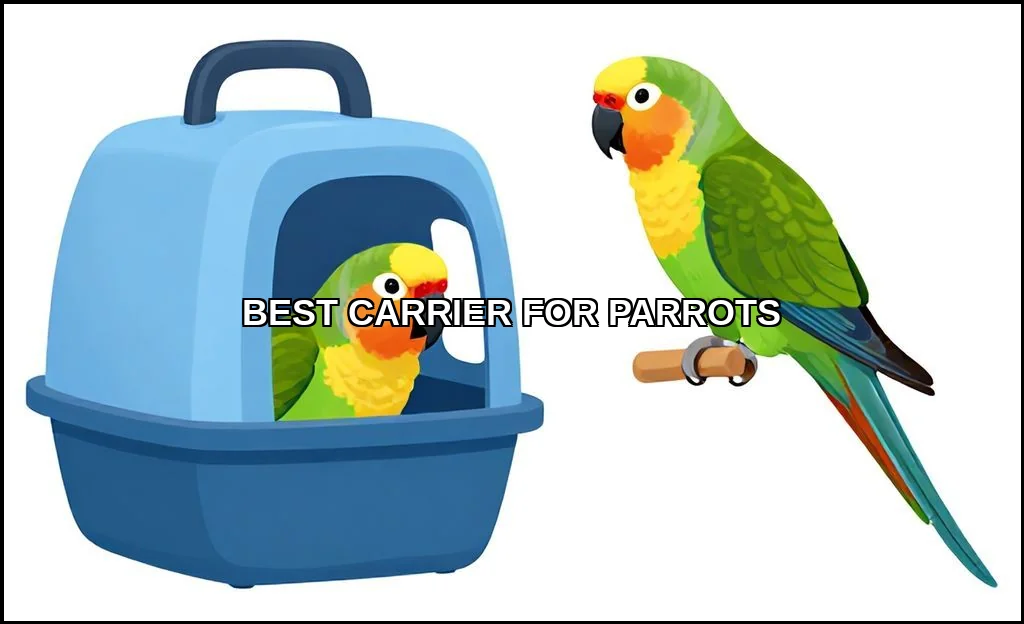
Parrot Carrier Essentials: More Than Just a Box
Think of a carrier as your bird’s temporary home. It’s not just about containment; it’s about providing a stable environment where your parrot feels protected from the chaos of the outside world. A good carrier mitigates stress, which is critical for avian health.
You have three main categories to consider: hard-sided, soft-sided, and backpack carriers. Hard-sided options, often made of durable plastic, offer maximum protection and are frequently airline approved. Soft-sided carriers provide flexibility and are easier to store. Backpack carriers, like those from Pak-o-Bird, offer hands-free convenience and often feature large viewing windows. Your choice depends entirely on your lifestyle and your bird’s temperament.
Key Safety Features You Cannot Compromise On
Never sacrifice safety for style or price. A single flawed latch or poor ventilation can lead to escape or tragedy. Prioritize these non-negotiable elements for true avian travel safety.
Secure Locking Mechanisms
The door is the most critical failure point. Look for secure locking mechanisms that are bird-proof, not just human-proof. Parrots are ingenious escape artists. Multiple latch points or a locking carabiner added to the primary latch are wise investments. Test every closure yourself before trusting it with your feathered Houdini.
Ventilation Requirements
Proper airflow is a matter of life and death. Ventilation requirements are stringent for a reason. Carriers must have openings on multiple sides to prevent deadly stagnant air pockets. The openings must be small enough to prevent a beak or toe from getting caught, yet numerous enough to allow a steady cross-breeze. Metal grilles or tightly woven mesh are standard.
Internal Fixtures: Perch and Food Cup
Your bird needs to rest and hydrate. An integrated perch and food cup are fundamental. The perch should be sturdy, appropriately sized for your bird’s feet, and easily removable for cleaning. Stainless steel cups that clip or screw into the interior are bestthey’re chew-proof and sanitary. For longer trips, having a dedicated water source is non-negotiable.
Size Guide: Matching Carrier to Parrot Breed
This is where most owners get stuck. A carrier that’s too small is cruel; one that’s too large can be unsafe, allowing your bird to be thrown around during movement. The key is allowing enough room to turn around and spread wings slightly, but not so much that they lose all sense of security.
Heres a quick reference table for common parrot species, including some often overlooked like the Quaker Parrot, Eclectus Parrot, and Pionus:
| Parrot Breed | Approx. Length | Minimum Carrier Dimensions (LxWxH) | Notes |
|---|---|---|---|
| Cockatiel, Budgie, Lovebird | 9-13 inches | 16″ x 10″ x 12″ | Ideal for a small parrot carrier. Secure bars are vital. |
| Quaker Parrot, Conure, Pionus | 10-12 inches | 18″ x 12″ x 15″ | Medium birds need sturdy construction. A common question is the best carrier for traveling with a cockatiel, which fits here. |
| African Grey, Amazon, Eclectus Parrot | 12-14 inches | 22″ x 16″ x 18″ | Requires a robust travel cage for parrots with strong latches. “What size carrier do I need for my African Grey?” starts here. |
| Cockatoo, Macaw | 15-40 inches | 30″ x 20″ x 24″+ | Think heavy-duty. The search for the safest travel carrier for large parrots ends with reinforced hard-sided models. |
Always measure your bird from head to tail tip and check the interior carrier dimensions, not just the exterior. Your avian carrier must also fit under the airplane seat if you’re flying, which typically requires a maximum height of around 9-10 inches.
Top Parrot Carrier Reviews & Comparisons
Let’s look at some top contenders across different categories. Remember, the “best” is what’s best for your specific bird and travel needs.
1. The All-Rounder: Mid-Range Hard-Sided Carrier
These are the workhorses of bird transport. They often come from brands like King’s Cages and feature a solid plastic base, metal wire door and ventilation panels, and secure double latches. They’re easy to clean, offer great visibility, and are accepted by most airlines. Perfect for the frequent traveler with an African Grey or Amazon.
2. The Adventurer’s Choice: Backpack Carrier
Brands like Celltei and Pak-o-Bird have perfected this. They’re essentially a portable bird cage you wear. Made of soft, breathable mesh on a frame, they allow for hands-free hiking or navigating busy airports. They often have multiple access points and internal perch systems. Ideal for active owners with well-socialized, medium-sized birds like Conures or Caiques.
3. The Quick-Trip Specialist: Soft-Sided Carrier
Think vet visits or short car rides. These are lightweight, often collapsible, and provide a cozy, den-like feel that can calm a nervous bird. Look for models with reinforced stitching, chew-proof mesh panels, and a solid bottom to prevent swaying. They make an excellent pet bird carrier for smaller species like Cockatiels or Parrotlets.
4. The Heavy-Duty Specialist: Large Parrot Travel Cage
For Macaws, Cockatoos, and other large birds, you need something built like a tank. These are substantial parrot cage for travel units, often with reinforced aluminum or steel frames, massive locking mechanisms, and wheels for mobility. They are an investment, but the only safe option for transporting these powerful birds.
5. The Budget-Conscious & Compact Option
This is where a product like the halinfer Bird Travel carrier often shines. It blends hard and soft featuresa structured frame with mesh panelsand is designed to meet common airline under-seat size rules. It’s a fantastic solution for someone who needs a reliable, airline approved bird carrier without a premium price tag, especially for Quakers, Senegals, or similar-sized birds.
Travel Tips & Airline Compliance Checklist
Flying with a parrot requires meticulous planning. Airlines have strict, non-negotiable rules. Heres your pre-flight checklist for how to choose an airline approved parrot carrier and prepare for the journey.
- Verify Airline Policy FIRST: Never assume. Call the airline’s special services desk. Policies on bird travel cage acceptance vary wildly between carriers and even by aircraft type.
- Get the Right Health Documentation: Most airlines and states require a recent health certificate from an avian vet. The USDA and your destination state may have additional rules. The AVMA provides an excellent authority guide on this complex topic.
- Acclimate Your Bird: Leave the carrier out for weeks. Make it a fun, safe space with treats and favorite toys. A stressed bird in a new cage is a recipe for trouble.
- Pack a “Birdie Go-Bag”: Include pre-portioned food, a water bottle for refills, a small toy, paper towels, and a blanket to drape over the carrier to reduce visual stress.
- Prepare for Security: You will need to remove your bird from the carrier at TSA. Use a lightweight bird harness or be ready to place them in a small, secure towel for the walk through the metal detector while the carrier is scanned.
Remember, the goal is a calm, uneventful journey. Your preparation directly impacts your parrot’s experience. For more insights into parrot behavior, you might explore our article on which parrots talk to understand their intelligence and sensitivity better.
Final Perch
Choosing the best carrier isn’t about finding a single perfect product. It’s about matching a tool to a very specific job: safely transporting a unique individual. Consider your parrot’s size, personality, and your travel frequency. A nervous Eclectus might prefer the enclosed feel of a quality soft-sided carrier, while a curious African Grey might appreciate the view from a backpack model.
Invest in safety features first. Then consider convenience. A carrier is a long-term purchase that protects your invaluable companion. Whether you’re heading to the vet or the skies, the right carrier makes all the difference. Its the foundation of confident, compassionate avian travel safety. And for other bird-related products, from carriers to homes, checking out the best birdhouse options can inspire how you think about all your pet’s habitats.
