
You’ve got the cage, the food, the water dish. But have you considered the corners? Those empty spaces are prime real estate for your bird’s comfort and activity. A well-chosen corner perch isn’t just another accessory; it’s a fundamental piece of your bird’s habitat that directly impacts posture, play, and foot health.
Think of it as a cozy reading nook or a strategic lookout point. Birds naturally seek elevated, secure spots to rest and observe. A dedicated corner perch fulfills this instinct, providing a stable platform away from the hustle of the main cage area. It prevents foot strain from gripping the same-sized bars all day. For a reliable, easy-to-install option, many bird owners turn to Prevue Pet Products. Their corner platforms are a staple for good reason, offering a simple, functional design that gets the job done.
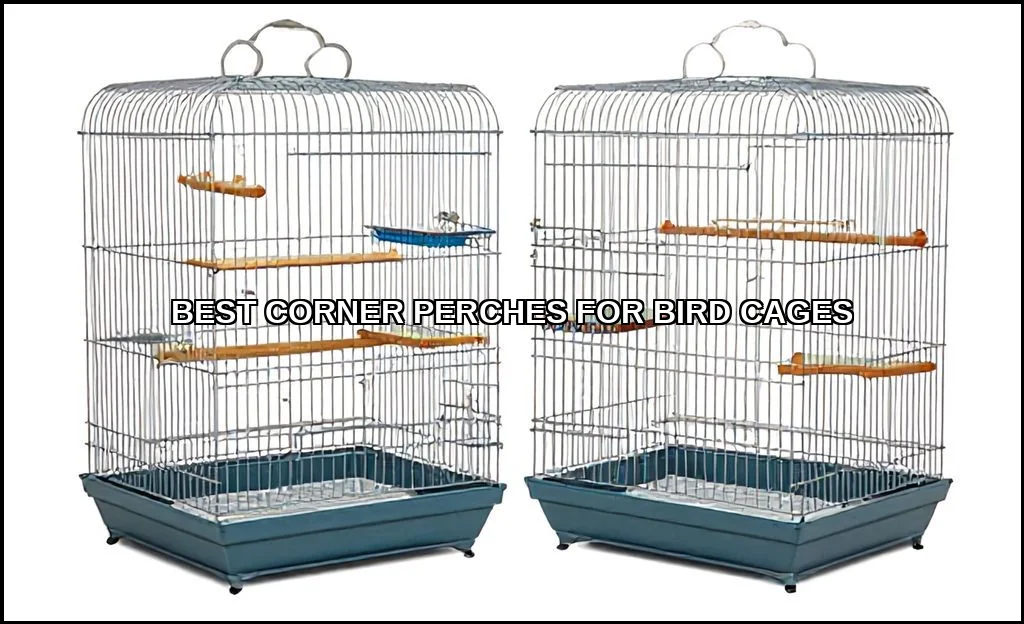
Why Corner Perches Matter for Bird Health and Happiness
It’s easy to view perches as just places to stand. In reality, they are dynamic tools for enrichment and physical wellness. A varied perch diameter and texture are non-negotiable for preventing pressure sores and arthritis. A corner perch, often wider or flatter than a standard dowel, gives those foot muscles a much-needed break.
Avian veterinarians consistently stress the importance of environmental variety. A corner platform perch or shelf creates a distinct zone for different activitiespreening, destroying a toy, or simply lounging. This mental stimulation is as critical as physical comfort. Without it, birds can develop stress-related behaviors. A thoughtfully arranged cage with diverse levels and surfaces, including corners, mimics the complexity of their natural environment.
The Foot Health Connection
Bumblefoot. It’s a word that sends shivers down any bird owner’s spine. This painful inflammatory condition is often linked to improper perching surfaces. Hard, uniform perches create constant pressure on the same spots on a bird’s foot. The solution? Variety. Incorporating a soft rope perch, a gritty cement pedicure perch, and a flat corner platform perch ensures no single area of the foot is overworked.
Natural wood perches, like those made from manzanita or dragonwood, offer gentle irregularities that exercise foot muscles. When you add a corner perch to the mix, you provide a stable, often broader surface that allows the bird to fully relax its grip. This is especially beneficial for older birds or larger parrots like Amazons. Think of it as orthopedic support for their feet.
Top Picks: Reviews of the Best Corner Perches
Not all corner cage accessories are created equal. The best ones combine safety, functionality, and ease of use. Heres a breakdown of top-performing styles to consider for your setup.
1. The All-Around Platform: Super Bird Creations Corner Shelf
This is a classic for a reason. Made from durable, easy-to-clean plastic, it provides a generous flat surface. It’s perfect for placing a food bowl, a foraging toy, or serving as a dedicated nap spot for mid-sized birds like conures and cockatiels. The secure mounting system with wingnuts prevents wobbling, a common issue with cheaper models. It answers the common question of how to install a corner perch in a bird cage with straightforward hardware.
2. The Naturalist’s Choice: Manzanita Wood Corner Perch
For those prioritizing natural wood and texture, an angled manzanita corner perch is superb. Brands like JW Pet often feature these. The wood is hard, safe for chewing, and its natural curves provide an ergonomic grip. This type fits seamlessly into a bird cage setup focused on organic materials. It’s an excellent choice for species that love to gnaw, adding wear to the beak while caring for the feet.
3. The Cozy Nook: Rope Corner Hammock or Perch
Soft and yielding, a rope corner perch offers supreme comfort. It’s like a plush armchair for your bird. Great for smaller species like budgies and lovebirds, it encourages cuddling and relaxation. However, vigilance is required. You must monitor for fraying and keep it dry to prevent bacterial growth. Its a fantastic enrichment tool, but not a standalone primary perch.
4. The Heavy-Duty Perch: For Large Parrots
When searching for the best corner perches for large parrot cages, sturdiness is everything. Look for thick, polished hardwood platforms or reinforced acrylic designs. These must support significant weight and withstand powerful beaks. The mounting hardware should be industrial-grade to prevent a clever macaw or cockatoo from unscrewing it. This isn’t an area to compromise on quality.
5. The Multi-Functional Gym: Playtop Corner Units
Some corner perches, like those from Penn-Plax, integrate ladders, toys, and feeding stations. They transform a dead corner into an activity center. This is brilliant for keeping intelligent birds engaged. When combined with other bird toys and perches throughout the cage, it creates a rich, stimulating environment that discourages boredom.
Key Features to Consider Before You Buy
Choosing the right perch is more than picking a size. You need a checklist. Here are the critical factors that separate a good purchase from a great one.
- Material Safety: Avoid softwoods like pine if your bird is a chewer. Hardwoods (manzanita, dragonwood, oak), untreated seagrass rope, and bird-safe plastics are best. Always check for toxic finishes or paints.
- Secure Mounting: The perch must not spin, slip, or wobble. Look for locking nuts, wide clamps, or screw-through designs. A shaky perch is unsafe and will be avoided by your bird.
- Size and Scale: This is paramount. A perch should allow the bird’s feet to wrap around 2/3 to 3/4 of its circumference. A flat platform should be large enough for the bird to stand comfortably without its tail hanging off. Ask yourself, what size corner perch for cockatiel cage is appropriate? For a cockatiel, a platform about 6×6 inches is a good start.
- Ease of Cleaning: Smooth, non-porous surfaces are ideal. Perches get dirty quickly. Can you wipe it down or run it under water? Removable covers or simple designs win.
- Texture Variety: Consider pairing a smooth platform with a textured rope or wood perch. This variety is the cornerstone of preventative foot health care.
Installation and Strategic Placement in the Cage
You’ve bought the perfect perch. Now, where does it go? Placement is a strategic game that affects how your bird uses its entire home.
Step-by-Step Installation
- Gather Tools: Usually, just your hands. Some perches require a screwdriver or wrench for the wingnuts. Have them ready.
- Position the Perch: Hold it in the desired corner, noting where the mounting brackets align with the cage bars.
- Secure Firmly: Tighten all hardware from the outside of the cage. Pull on it firmly to test for movement. It should not budge.
- Add a Grip (Optional): For smooth plastic or metal perches, consider adding a thin layer of shelf liner or vet tape for better traction.
The Art of Perch Placement
Don’t cluster all perches at the same height. Create a “perch landscape.” Place the corner perch in a mid-level location, not directly over food or water dishes to avoid contamination. It should be a resting spot, not a dining room. For species-specific advice, an authority guide from avian experts can offer deeper insights.
Position another perch, perhaps a natural wood one, higher up as a sleeping spot. Leave clear flight paths between them. The goal is to encourage movement and choice. Your bird should hop, climb, and fly between different textures and levels throughout the day. This active navigation is key to physical fitness.
Your Corner Perch Questions, Answered
Are corner perches good for bird feet?
Absolutely, when used correctly. They are excellent for promoting foot health by providing a different surface texture and posture. A flat corner shelf allows the feet to lie flat, relieving tendon pressure. However, it should never be the only perch in the cage. Diversity is the rule.
How often should I clean a corner perch?
At least weekly, or more often if it’s near a food bowl. Solid plastic or sealed wood platforms can be wiped daily. This routine is as important as finding the best heated baths for outdoor birds in winterit’s all about consistent, preventative care.
Can a corner perch be used for feeding?
Yes, many are designed as corner food dish holders. This is a smart way to save space and create a dedicated eating area. Ensure it’s stable enough to prevent spills and is positioned away from perches above to keep the food clean.
My bird ignores the new corner perch. What now?
Patience. Birds can be wary of new objects. Place a favorite treat or toy on it to encourage exploration. Sometimes, simply moving it to a different corner of the cage makes all the difference. Persistence pays off, much like when setting up the best birdhouse cameras to capture the perfect shot.
The Final Perch
Selecting the right corner perch is a small decision with a major impact. It’s an investment in your bird’s long-term comfort, mental engagement, and physical well-being. Look beyond the basic product listing. Consider the material, the mounting, and how it fits into your overall cage ecosystem. Pair that sturdy platform with a gnawable wood perch and a soft rope coil. Observe your bird. See where it likes to rest and play. Your ultimate goal is to create a dynamic, safe, and enriching home that keeps those feet healthy and that curious mind active for years to come. Start with one corner. Build from there.
