
Getting the diet right for a bronze winged parrot (Psittacula alexandri) is the single most important thing you can do for its long-term health. These intelligent, vibrant birds have specific nutritional needs that go far beyond a simple bowl of seeds. A proper diet directly impacts their energy, feather coloration, and lifespan.
Think of it as building a foundation. A balanced pellet-based diet, supplemented with fresh foods and proper enrichment, prevents a host of common health issues. It’s not just about what they eat, but how and when they eat it. This guide will break down everything from daily staples to dangerous foods, helping you create a thriving menu for your feathered friend.
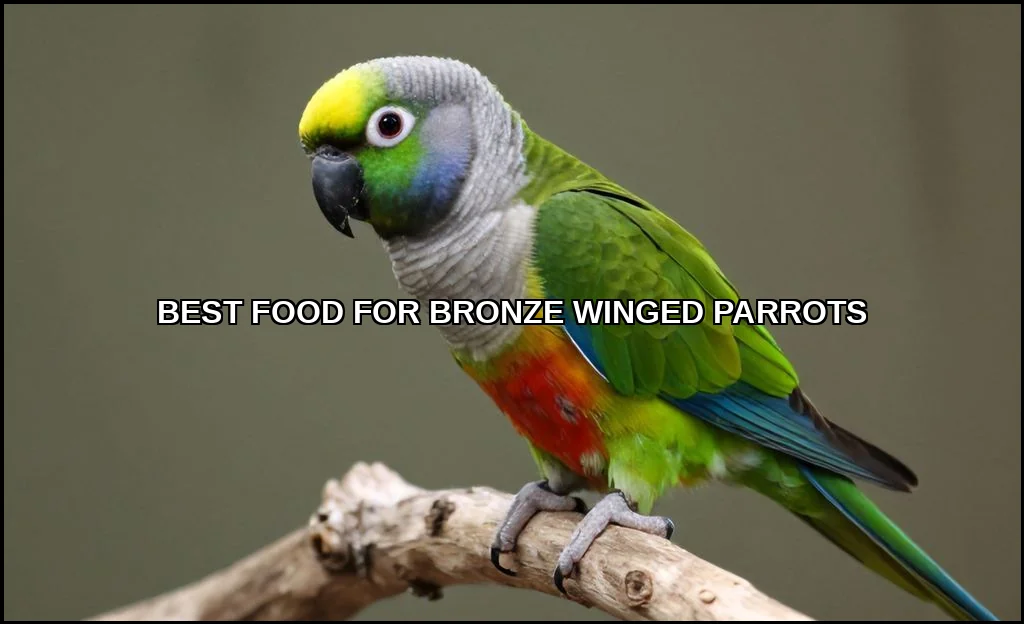
Understanding Bronze Winged Parrot Dietary Needs
In the wild, bronze winged parrots are native to parts of India and Southeast Asia. Their natural bronze winged parrot diet is diverse, consisting of various seeds, fruits, nuts, blossoms, and even some insects. This variety provides a complex mix of macronutrientsproteins, fats, and carbohydratesin ratios that a captive diet must strive to replicate.
One key aspect often overlooked is the impact of diet on feather coloration. The rich greens and subtle bronze hues of their wings are supported by specific nutrients like carotenoids from fresh vegetables. A poor diet can lead to dull, brittle feathers. their active foraging behavior means mental stimulation through food is as critical as the food itself. A bored parrot is an unhappy parrot, which can lead to behavioral issues.
Core Diet: Pellets, Seeds, and Staples
The cornerstone of a modern healthy parrot diet should be a high-quality, formulated pellet. These are engineered to provide complete nutrition, eliminating the guesswork. Brands like Harrison’s Bird Foods and Roudybush are frequently recommended by avian veterinarians for their rigorous standards.
For many owners seeking a reliable option, ZuPreem Natural Bird pellets are a popular choice. They offer a balanced formulation without artificial colors, which can be a good fit for a psittacula alexandri food routine. Pellets should make up about 50-60% of the daily diet.
Seeds are not the enemy, but they are a treat, not a staple. A seed mix for bronze wing parrots should be a small, measured part of the dietthink 15-20%. Look for fortified seed mixes that include pellets and dried veggies. An all-seed diet is dangerously high in fat and deficient in Vitamin A and calcium, leading to liver disease and other problems.
- Pellet Brands: Harrison’s, Roudybush, Lafeber’s (a good best pellet brand for bronze winged parrots contender).
- Seed Mix Tip: Use it for training or as a foraging reward, not as the main meal.
- Staple Additions: Cooked legumes (beans, lentils) and whole grains (quinoa, brown rice) provide excellent protein and fiber.
Fresh Foods: Fruits, Vegetables, and Greens
This is where you can get creative and provide essential vitamins. Fresh produce should comprise roughly 30-40% of your bird’s daily intake. Dark, leafy greens are powerhouses of nutrition. Think kale, Swiss chard, and dandelion greens. Orange and red vegetables like sweet potato, carrots, and bell peppers are critical for Vitamin A, a common deficiency in parrots.
When considering fresh fruits for parrots, moderation is key due to sugar content. Can bronze winged parrots eat apples? Absolutely. Just remove the seeds. Berries, melon, and papaya are also fantastic choices. For a species-native twist, consider vegetables for psittacula that might mirror their Indian subcontinent origins, such as mango (in season, pit removed), guava, and cooked pumpkin.
| Food Category | Excellent Choices | Frequency |
|---|---|---|
| Vegetables | Broccoli, sweet potato, bell peppers, leafy greens | Daily |
| Fruits | Berries, apple, papaya, melon | 3-4 times a week |
| Legumes/Grains | Cooked beans, quinoa, sprouted seeds | Several times a week |
Foods That Are Toxic or Harmful
Knowing what to avoid is non-negotiable. Some common human foods are deadly to parrots. This list of toxic foods must be memorized by everyone in your household.
- Avocado: Contains persin, a fungicidal toxin that causes cardiac distress.
- Chocolate & Caffeine: Theobromine and caffeine are toxic to their nervous system.
- Onions & Garlic: Can cause hemolytic anemia, destroying red blood cells.
- Alcohol & Salty Foods: Obviously harmful, but worth stating clearly.
- Fruit Pits & Apple Seeds: Contain trace amounts of cyanide.
Also, avoid high-fat, sugary, or processed human snacks. Are nuts safe for bronze winged parrots? In very small quantities, yes. An almond or walnut piece is a high-value treat. But they are extremely calorie-dense, so overfeeding leads to obesity.
Nutritional Supplements and Enrichment
Even with a great diet, some supplements are beneficial. A calcium supplement is vital, especially for laying hens. This is easily provided via a cuttlebone or mineral block attached to the cage. They’ll gnaw on it as needed.
Never underestimate the power of foraging enrichment. Scatter food in the cage bottom, use foraging toys, or hide treats in crumpled paper. This mimics natural behavior and prevents boredom. It’s a core part of modern bronze winged parrot care. For more ideas on engaging your bird’s environment, check out our guide on the best birdhouse cameras to observe their natural behaviors.
Creating a Balanced Feeding Routine
Consistency is comforting for parrots. Establish a daily schedule. So, how much to feed a bronze winged parrot daily? A general rule is about 1.5 to 2 tablespoons of pellets per day, plus a similar volume of fresh chop. Adjust based on your bird’s size, activity level, and if they are a picky eater who discards a lot.
- Morning: Offer fresh chop (veggies/fruits) and remove after a few hours to prevent spoilage.
- Throughout the Day: Pellets should be available in the cage at all times.
- Evening: A small amount of seeds or a nut piece can be given as a training reward or during out-of-cage time.
- Always: Fresh, clean water must be available 24/7. Change it at least twice daily.
Monitor their weight monthly with a small gram scale. Sudden weight loss is a major red flag. Remember, diet is deeply connected to other aspects of care. A well-fed, mentally stimulated parrot is more likely to be a content and vocal companion, much like some of the species discussed in our article on which parrots talk the best.
Crafting the perfect parrot food guide for your bronze wing is an ongoing process of observation and adjustment. Start with a quality pellet base, flood the diet with colorful veggies, and use seeds and nuts strategically. Always be vigilant about toxic foods. For the most comprehensive avian nutrition information, consult an avian veterinarian and refer to this authority guide from Lafeber. Your effort will be repaid in vibrant feathers, playful antics, and a bird that thrives for decades. That’s the ultimate goal.
